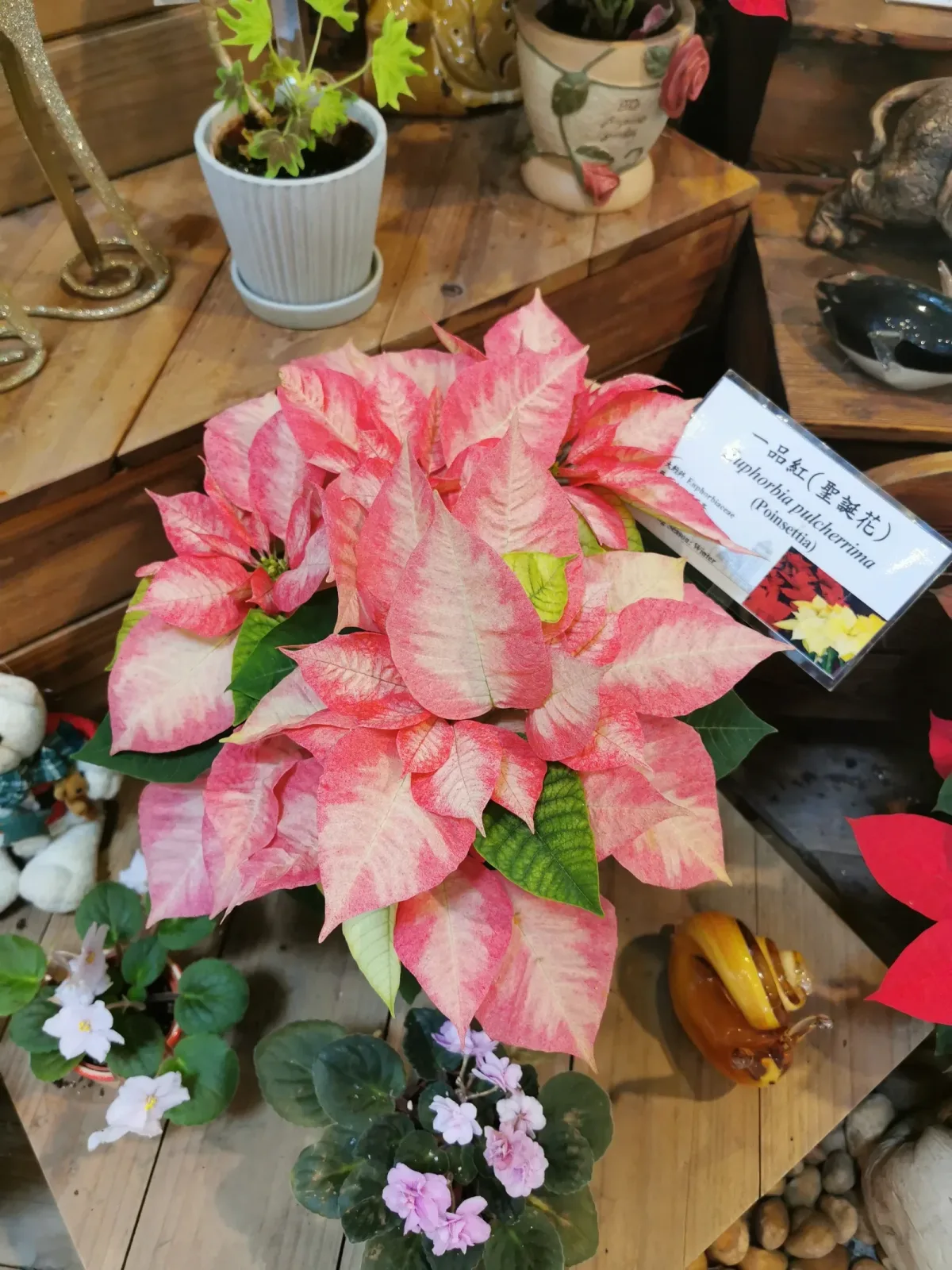
| ☀️ Light | Bright indirect light |
|---|---|
| 💧 Water | Moderate (lightly moist) |
| 🪴 Soil | Standard indoor potting mix with good drainage |
| 🌡️ Temp | 15°C – 24°C |
| 🐾 Safety | Cats: toxic · Dogs: toxic (ASPCA Animal Poison Control) |
| 📏 Mature size | 50 cm |
Where It Grows & Climate Tolerance
Pet & Companion Animal Toxicity (Poinsettia)
Holiday colour plant for Canadian winters; keep it bright, evenly moist and above 15 C.
Care instructions
Care Guide & Maintenance Routine
Bright indoor light, water when surface is dry, keep warm, remove foil wrap water traps.
Light & Sunlight
Bright room light. South or west window without cold draft.
Watering Schedule
Water when surface feels dry. Drain well. Do not leave in water-filled foil.
Potting Mix & Drainage
Standard indoor potting mix with good drainage
Temperature & Humidity
Keep above 15 C. Protect from cold on the trip home from the store.
Poinsettias are a winter staple across Canada, grown in large numbers in Canadian greenhouses each year. The bright bracts (modified leaves) last for weeks indoors if you give the plant bright light, steady moisture and protection from cold on the ride home.
Place it in a bright room out of cold drafts and heating vents. Water when the surface of the mix feels dry. Let excess water drain; sitting in a decorative foil wrap full of water causes root rot — punch holes or remove the wrap to water. Keep temperatures between 15 and 24 C. Below about 10 C the plant can drop leaves fast.
After the holidays you can keep it as a green houseplant. In spring, cut it back and repot if needed. To colour up again for next December, the plant needs long nights (about 14 hours of darkness) for several weeks in fall — a dedicated closet or cover works if you are patient. Most people enjoy it through winter and compost it, which is fine.
Poinsettia sap is mildly irritating. The ASPCA lists it as toxic to dogs and cats, though serious poisoning is uncommon. Still, keep it away from pets that chew. Wear gloves if you prune, because the white sap can irritate skin and eyes.
When you buy a poinsettia in a Canadian parking lot in December, wrap it for the walk to the car. A few minutes of freezing wind can start a leaf drop that shows up days later indoors. Once home, peel back foil wraps to water, then replace them for display. If you keep the plant into spring, gradually introduce more light after cut-back. Outdoor summers on a shaded deck work in southern Ontario and coastal BC once nights stay above about 10 C; bring the plant in before the first fall chill.
Seasonal rhythm
Seasonal Calendar
A month-by-month calendar for Poinsettia in Canada is coming soon. See the light, water and temperature notes above.
Diagnostics
Common Problems & Troubleshooting
Leaf drop (cold or overwater); wilt (dry then flood); pale bracts (low light).
Pests & seasonal watch: Whitefly and fungus gnats if soil stays wet. Check leaf undersides.
Care encyclopedia · 5 guides
Guides & Articles for Poinsettia
Poinsettia Care Guide for Canada
A practical Canadian guide to poinsettia, with seasonal care, common problems, propagation and buying checks.
Read guide →8 Christmas Plants for Canadian Homes and How to Keep Them Past January
Christmas cactus, a moth orchid and a Norfolk Island pine are the three most likely to still look good in February. Here are eight plants Canadian shops sell at Christmas, and how to keep each one past January.
Read guide →Toxic Plants for Pets and Kids in Canada: Houseplants, Garden Plants and Poison Centre Numbers
Which houseplants and garden plants are toxic to cats, dogs and children in Canada, what to do right away if one is eaten, and the poison centre number for every province and territory.
Read guide →Winter Houseplant Care in Canada: Light, Watering, Humidity, Drafts and Pests
Short days, dry furnace air and icy drafts make winter the toughest season for houseplants in Canada. Here's how to manage light, watering, humidity, temperature and pests until spring.
Read guide →Root Rot in Houseplants and Garden Plants: Causes, Signs and How to Rescue Them
A plant that wilts in wet soil often has root rot. Learn what causes it, how to tell rotted roots from healthy ones, a step-by-step rescue for houseplants, and how to prevent root rot in pots and Canadian garden beds.
Read guide →Q&A
Frequently Asked Questions
How often should I water a poinsettia?
When the soil surface feels dry. Drain fully and never leave it sitting in water.
Why is my poinsettia dropping leaves?
Cold drafts, a chilly car ride home, or roots sitting in water are the usual causes.
Are poinsettias poisonous to pets?
Mildly toxic per ASPCA. Sap can irritate. Keep away from pets that chew plants.
Can I make it turn red again next year?
Yes, with weeks of long, dark nights in fall, plus bright days. Many gardeners buy fresh each winter instead.
Similar Botanical Matches
Grower field notes
Reader Field Notes in Canada
Share how this plant performs in your local Canada climate.