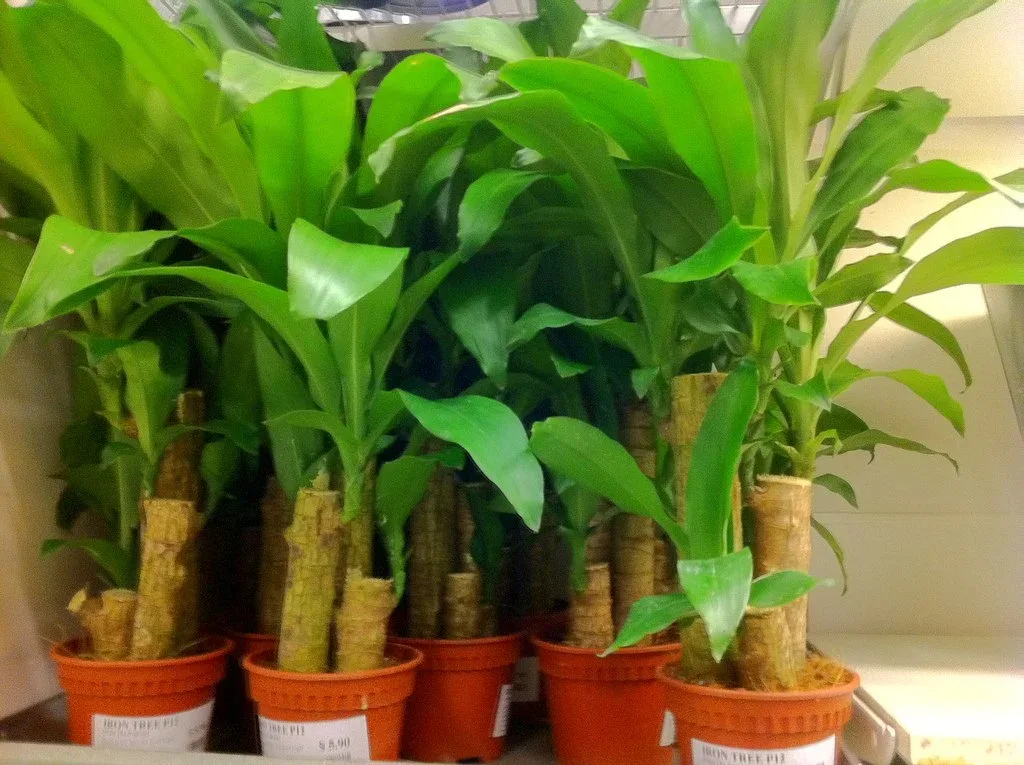
| ☀️ Light | Bright indirect light |
|---|---|
| 💧 Water | Moderate (lightly moist) |
| 🪴 Soil | Well-draining potting mix with perlite; pot must drain |
| 🌡️ Temp | 13°C – 27°C |
| 🐾 Safety | Cats: toxic · Dogs: toxic (ASPCA Animal Poison Control) |
| 🏔️ Hardiness | Indoors only in Canada. Outdoors hardy in USDA zones 10-11 only (NC State Extension) |
| 📏 Mature size | 1.8 m |
Where It Grows & Climate Tolerance
Pet & Companion Animal Toxicity (Corn Plant (Dracaena))
Tall, tough houseplant with arching strap-like leaves on a cane. Handles low light; use filtered water to avoid brown tips. Toxic to cats and dogs.
Care instructions
Care Guide & Maintenance Routine
Bright to moderate filtered light (tolerates low). Water when top 5 cm is dry using filtered water. 18-24 C, minimum about 13 C. Light feeding spring and summer only. Toxic to cats and dogs.
Light & Sunlight
Bright to moderate indirect light; tolerates low light; avoid direct sun
Watering Schedule
Moderate to low: water when top 5 cm is dry using filtered or settled water; every 3-4 weeks in winter
Potting Mix & Drainage
Well-draining potting mix with perlite; pot must drain
Temperature & Humidity
Verified temperature range: 13°C–27°C (55°F–81°F). Protect from cold drafts and direct airflow from heating or cooling vents.
Corn plant (Dracaena fragrans) is a slow-growing, broadleaf evergreen shrub from tropical Africa. It gets its name from the tall, unbranched stem and strap-like leaves that resemble a corn stalk. It is one of the most common houseplants in Canadian homes and offices, with plain green or striped forms; 'Janet Craig' has shorter leaves on more compact stems.
Hardiness and winter
It is hardy outdoors only in USDA zones 10-11, so across Canada it is an indoor plant. Keep it above about 10-13 C and away from cold drafts. It grows well at 21-27 C. In winter, light is low and growth nearly stops, so stretch watering to about every three to four weeks and always check that the top 5 cm of soil is dry first. Overwatering is a leading cause of root rot.
Light
Bright to moderate filtered light is best. Direct sun can burn the leaves, but if light is too low the leaves narrow. It tolerates medium and low light, which makes it useful for dim Canadian rooms.
The brown tip problem
Corn plant is sensitive to fluoride and built-up salts. Brown leaf tips are the classic complaint in Canada, where municipal water is commonly fluoridated and chlorinated. Use filtered, distilled or rain water, flush the soil several times a year, and feed lightly. Heated winter air can also crisp the tips, so a humidifier helps.
Feeding and repotting
Use a diluted feed once or twice in spring and summer, and stop from October to February. Repot into a larger pot when the plant starts to lift out of the pot or roots push out of the drainage hole. Use a mix with perlite and a pot with drainage holes.
Propagation
Propagate by stem cuttings. Lower leaves dropping slowly is normal as the cane ages.
Pet warning
The ASPCA lists Dracaena fragrans as toxic to dogs, cats and horses. Signs include vomiting (occasionally with blood), depression, loss of appetite, drooling and dilated pupils in cats.
Seasonal rhythm
Seasonal Calendar
A month-by-month calendar for Corn Plant (Dracaena) in Canada is coming soon. See the light, water and temperature notes above.
Diagnostics
Common Problems & Troubleshooting
- Brown leaf tips | Cause: Fluoride and chlorine in tap water, salt build-up or dry heated air | Fix: Use filtered or rain water, flush the soil and add humidity - Leaves narrow and plant stretches | Cause: Too little light | Fix: Move to brighter indirect light - Root rot and yellow leaves | Cause: Overwatering, especially in winter | Fix: Let the top 5 cm dry and ensure the pot drains - Thrips or mealybugs | Cause: Common pests | Fix: Inspect leaves and treat early
Care encyclopedia · 3 guides
Guides & Articles for Corn Plant (Dracaena)
Snake Plant Soft Leaves in Winter: How to Check for Overwatering
Soft snake plant leaves in winter usually mean too much water in a cool, dim room. Here is how to check, what to cut, and how to save what is left.
Read guide →Top 10 "Air-Purifying" Plants for Canadian Apartments: What They Can and Can't Do
The famous 1989 NASA plant study doesn't translate to real homes: a 2019 review found you'd need 10 to 1,000 plants per square metre to match normal ventilation. Here is what plants can do, what really cleans apartment air, and 10 easy NASA-list plants.
Read guide →15 Low-Light Houseplants for Dim Canadian Winters
A cast-iron plant, a Chinese evergreen or a parlor palm is a realistic start in a dim Canadian winter room. Here are 15 plants with live Canada profiles, plus an honest note on a few that only pretend to like the dark.
Read guide →Q&A
Frequently Asked Questions
Is corn plant toxic to cats and dogs?
Yes. The ASPCA lists Dracaena fragrans as toxic to dogs, cats and horses.
Why are the tips of my dracaena brown?
Usually fluoride and chlorine in tap water, fertilizer salts or dry air. Use filtered water and flush the soil.
Can it tolerate low light?
Yes, but if the light is too low the leaves narrow. Bright to moderate filtered light is best.
How cold can it get?
NC State Extension advises keeping it above 50 F (10 C) if possible; it grows well at 70-80 F (21-27 C).
Similar Botanical Matches
Grower field notes
Reader Field Notes in Canada
Share how this plant performs in your local Canada climate.