
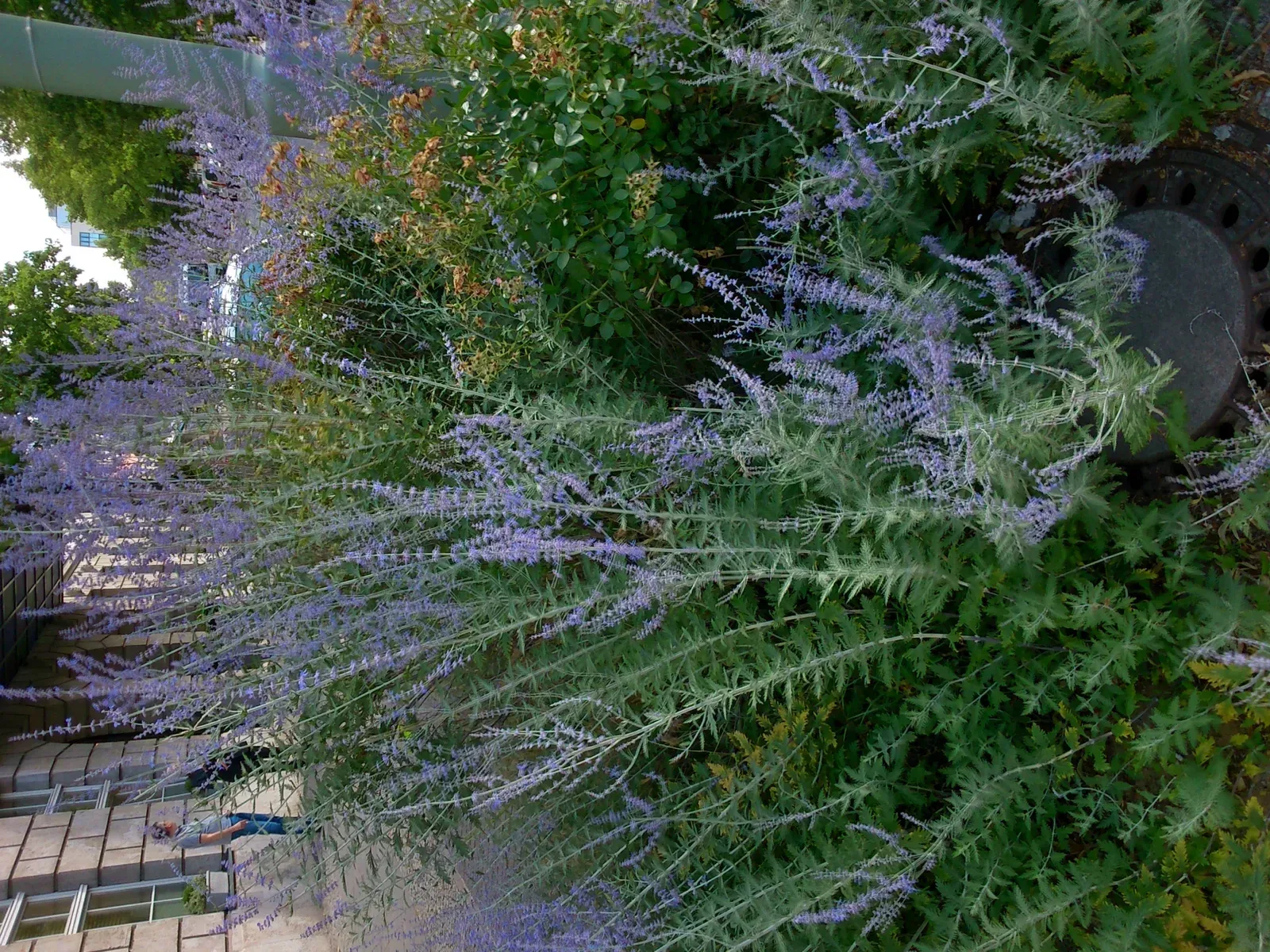
Russian sage needs sun and winter drainage more than rich soil. In a Canadian spring it may wake later than nearby perennials, so wait for signs of live growth before deciding the plant has died.
Quick answer
Russian sage belongs in full sun and freely drained, modestly fertile soil. Water new plants while establishing roots, then avoid rich feeding and constant irrigation. Wait for spring signs of life before final pruning in Canada. It is not culinary sage, and a wet winter crown cannot be rescued by extra mulch alone.
How do you identify russian sage?
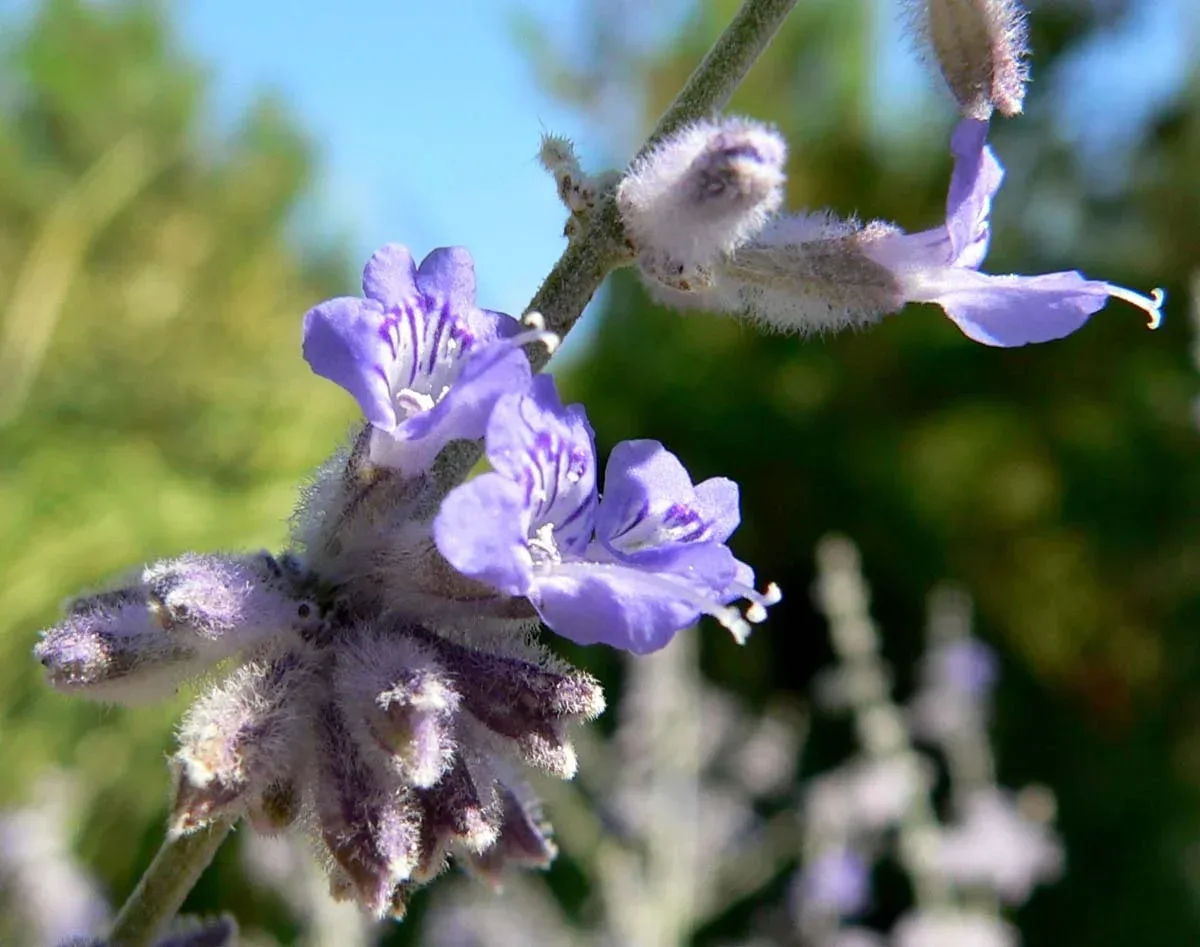
Russian sage: Salvia yangii, formerly Perovskia atriplicifolia, has silver stems and small blue flowers. 'Little Spire' is compact. It is not culinary sage and should not be chosen as a kitchen herb.
When should you cut Russian sage back in Canada?
Keep its framework through winter and wait for live buds in spring before shortening. It may start later than neighbouring perennials. Sun and sharp drainage produce firmer stems than rich wet soil. Do not bury the crown beneath wet mulch. Flopping needs a shade and feeding check before permanent supports. A plant repeatedly lost in a wet pocket needs a new site, not another compost blanket. Late growth should not be mistaken for death after the first warm weekend.
Where should you plant it for enough light?
Russian sage is now placed botanically in Salvia, often as Salvia yangii, though Perovskia remains common on labels. It is not the culinary sage used in the kitchen. Cultivars vary in height and compactness, so choose one that fits the border without constant correction. Give it a genuinely sunny site. Shade can make stems lean and reduce the airy blue display. A dormant plant in a Canadian outdoor bed needs no winter lamp. Seedlings or young nursery starts held indoors before planting need useful light, but moving a mature dormant crown into household warmth is not the normal winter plan.
What soil or potting mix is best?
Lean, sharply drained. Sharp drainage.
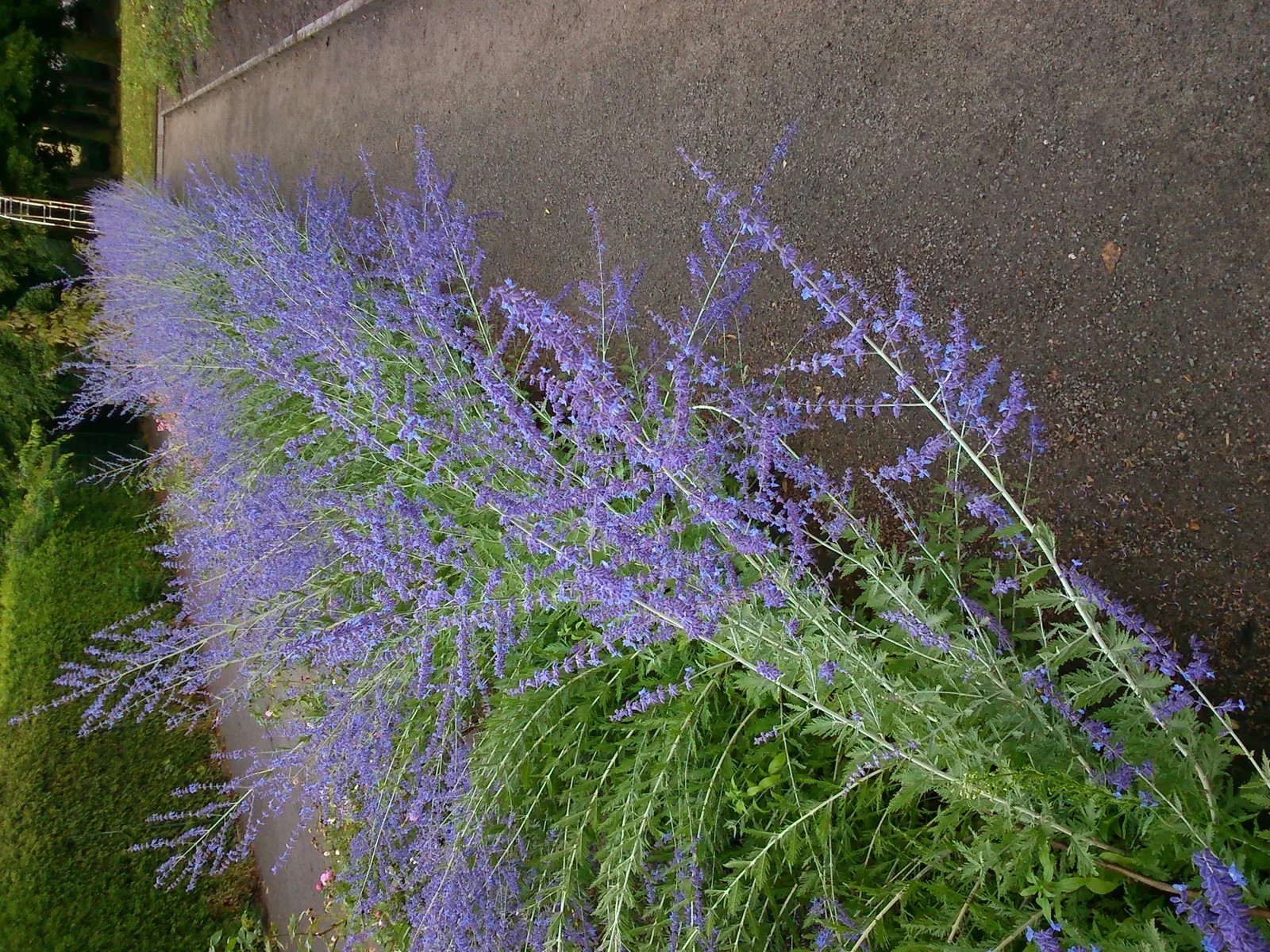
Drainage is crucial. Russian sage often performs better in a lean open bed than in a richly fed wet border. Water new plants until roots establish, then adjust irrigation to actual drought and soil conditions. Do not keep the crown permanently moist because nearby annuals are being watered daily. A gravel surface cannot compensate for a soggy layer underneath. In heavy clay, improve the broader planting situation or choose a raised drained bed. Winter wet and repeated freezing around a saturated crown can cause losses even where the stated air-temperature hardiness appears adequate.
When should you fertilize?
None.
Feeding should be restrained. Rich soil and excessive nitrogen can encourage floppy growth, especially where light is insufficient. A healthy plant may need little additional fertilizer. If the stems fall across a path, review mature size, sun and irrigation before reaching for a support or stronger feed. A compact cultivar may fit the site better than repeatedly cutting back a large one. Do not treat aromatic grey foliage as a sign that the plant needs constant misting. Furnace humidity is irrelevant to an in-ground winter crown, and indoor summer-like conditions are not required to keep a dormant outdoor plant alive.
What temperatures and winter protection does it need?
Often sold around zone 4 upward, with some selections used in zone 3. Verify local results and ensure excellent winter drainage.
How should you prune it?
Hard cut in early spring ; not fall.
Wait in spring before declaring a plant dead. Russian sage may resume growth later than some neighbouring perennials, and exposed stems can look lifeless before basal buds are obvious. Once living growth is clear, remove dead wood and shorten remaining stems as appropriate to the cultivar and local survival. Avoid a severe autumn cut that leaves the crown exposed before winter. The previous stems can retain structure and help mark the plant's position. If an entire crown is soft or decayed, however, waiting will not repair rot. Inspect the base rather than judging only the colour of old stems.
Pruning during growth should be considered rather than automatic. Removing every emerging shoot tip can alter the eventual shape and flowering schedule. Some gardeners shorten a portion for a denser habit, but the result depends on cultivar and season length. Test a small section before changing the whole planting. Remove broken or clearly diseased stems cleanly. Dried flower stems can remain for winter texture if they are not causing a problem. Keep the crown clear of dense fallen debris. A bed that stays too wet is better corrected through siting and drainage than by repeatedly cutting the top shorter.
What is the best propagation method?
Root healthy softwood tips or separate well-rooted shoots where available. Use gritty mix and avoid saturation. Named selections may not come true from seed. Check cultivar restrictions before making sale plants.
Healthy softwood or semi-ripe cuttings can reproduce a plant when propagation rights allow. Use sound shoots, an airy rooting medium and controlled moisture around the cutting rather than wetting a deep pot continuously. Division may be possible on suitable established material but should not be forced through a largely woody crown. Seedlings can differ from named compact selections. Keep labels accurate if sharing plants. Inspect any parent for mites, aphids or suspicious dieback before taking material. Aromatic foliage may deter some browsing, but it is not proof that the plant can never carry pests or disease.
Which pests and diseases should you watch for?
Root and crown rot are risks in wet soil. Inspect unusual spots, but do not spray a healthy plant preventively.
Is it safe around pets and children?
No species-specific ASPCA clearance is claimed for Salvia yangii. It is not food sage. The source sheet's simple unsafe flag is not a verified toxicity assessment.
A seasonal care calendar for Canada
| Season | What to do |
|---|---|
| Spring | Hard prune when buds show. |
| Summer | Long bloom. |
| Autumn | Leave stems. |
| Winter | Do not cut; snow helps. |
What should you check before buying?
The sunny-border habits of catmint and yarrow are worth comparing with Russian sage. The display of potentilla may suit a separate part of the bed if its moisture needs differ from this lean, freely drained planting.
At purchase, choose a firm base with healthy emerging growth and an accurate cultivar label. Ask about local winter experience, particularly in colder or wetter Canadian regions. Root hardiness in a freestanding container needs separate consideration; a balcony pot can freeze more deeply and stay wetter than a well-drained bed. Avoid salted snow storage and roof runoff. Russian sage belongs in an ornamental planting, not a child's herb-tasting activity. If a nursery cannot confirm the identity, do not assume it is edible because Salvia appears on the tag. Correct identification, full sun and lean drainage are the foundation of successful care.
How can you compare winter survival fairly?
Mark the crown and photograph the stem bases before winter. In spring, wait for nearby locally established Russian sage to begin growing before making a final judgment about your own. Check drainage and the firmness of the crown as well as the old stems. If replacement is necessary, record whether the original site collected meltwater or salted snow. Changing cultivar alone may not solve a wet location. A second attempt in a sunnier drained position gives more useful information than repeatedly buying the same plant for a low spot that remains saturated during thaw.
Watch: a related growing task
Comments
No comments yet — share what worked in your climate.