
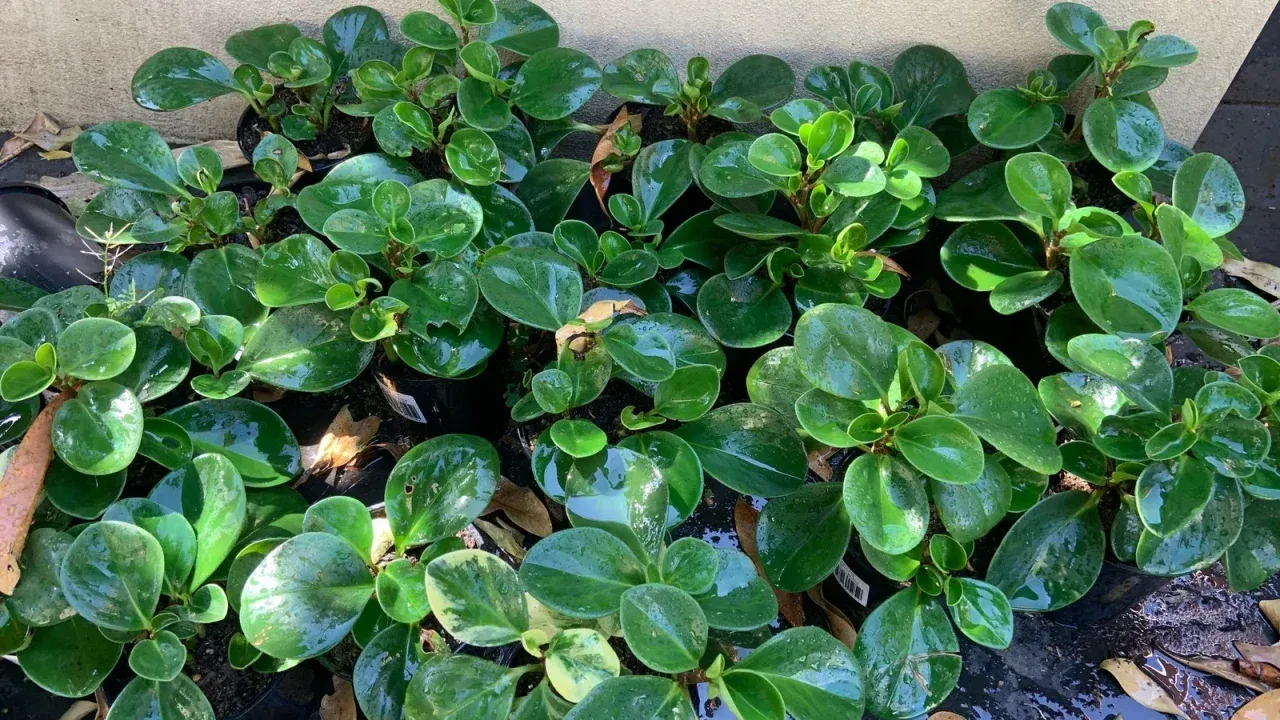
Baby rubber plant stores water in its thick leaves, making it a useful small houseplant for growers who prefer checking pots to watering every day. Its size does not protect it from a water-filled decorative container.
Quick answer
Identify your peperomia before setting its watering routine, since thick-leaved and thin textured forms differ. Use a modest draining pot and check moisture beneath the canopy. Winter light may need improvement in Canadian rooms. Propagation methods depend on the plant; a leaf cutting does not preserve every variety equally well.
How do you identify peperomia?
Peperomia: Baby rubber plant is Peperomia obtusifolia, with thick rounded leaves. Cream-marked forms need more light. It is not Ficus elastica, also called rubber plant, and ripple peperomias can need different moisture care.
Why do peperomia stems turn soft?
Stored water in the leaves lets this plant wait between waterings, but roots still need air. Water hidden inside a decorative pot can soften stems before leaves look seriously ill. Inspect the lower stem and mix. Remove rot and restart sound tips if necessary. Do not put a small root system into a huge pot. Wrinkling can follow severe drying too, so inspect moisture before diagnosing rot. Introduce variegated plants to brighter light gradually instead of placing them abruptly in hot afternoon sun.
What light does it need in a Canadian winter?
Variegated types need more light. Avoid hot direct sun.
Confirm which peperomia you have before setting its routine. A thick-leaved baby rubber plant stores more water in its leaves than a thin, rippled-leaf selection. Trailing forms also differ from upright rosettes in how they shade their own pot. Place the label somewhere it will survive repotting. Variegated leaves generally need useful brightness to maintain attractive growth, but direct summer heat can mark them. In winter, move a plant away from the back of a dim shelf and toward filtered daylight. A lamp should light the rosette evenly rather than encouraging all new stems to lean toward one narrow beam.
How should you water through the seasons?
Test moisture a little below the surface, especially with short nursery pots. Thick leaves can remain firm while roots sit in unsuitable wet compost, so foliage alone is not a watering gauge. Wait for the mix to lose its excess moisture, then moisten it evenly and drain it. A pot that feels unexpectedly light soon after watering may contain a dry peat core that water has bypassed. Rewet that core gradually rather than leaving the plant soaking indefinitely. Leaf drop following overwatering can continue after the first correction; watch the firmness of the crown and new roots rather than demanding immediate cosmetic recovery.
What soil or potting mix is best?
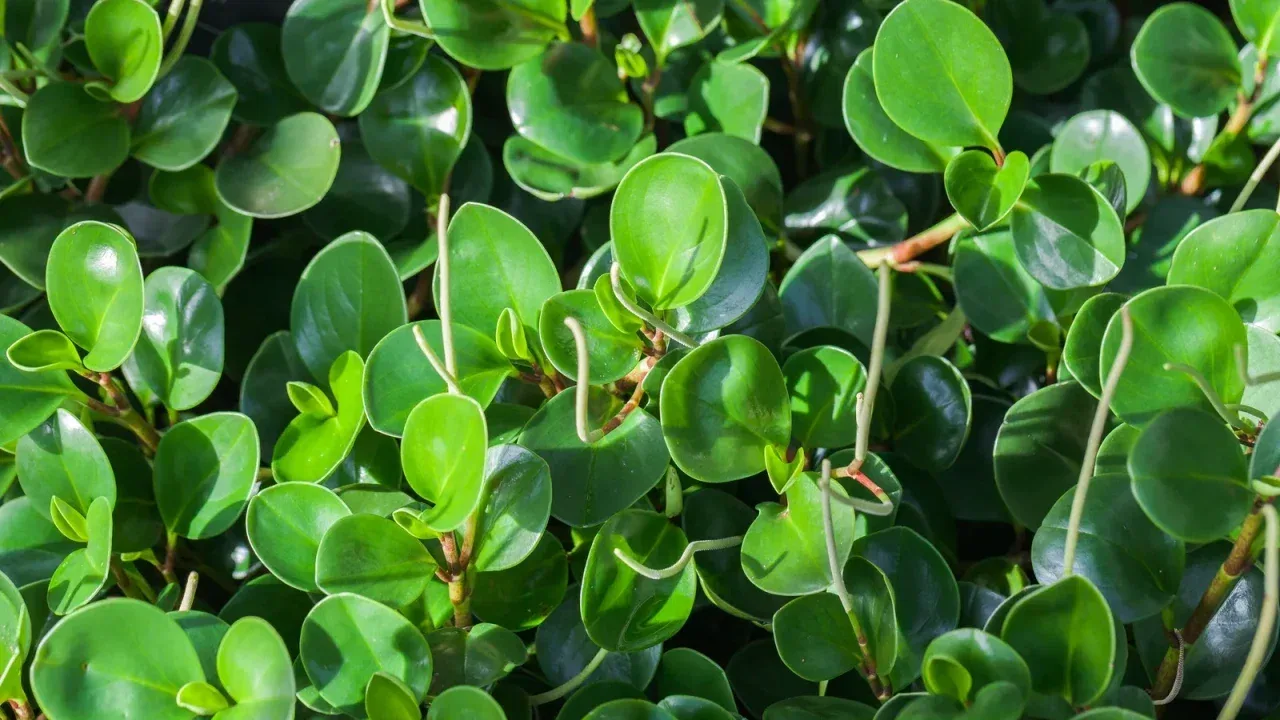
Peperomias have relatively modest root systems. Select a container around the actual root mass, not one proportionate to the leafy canopy. A light mix with coarse material to maintain pore space is more useful than a large reservoir of dense compost. Keep the crown at the surface during repotting. For rosette types, buried petiole bases are especially awkward to keep dry and clean. Remove dead leaves without wrenching at neighbouring stems. If you can see sound roots and the mix still drains properly, leave a comfortable plant undisturbed instead of repotting because a spring checklist says every houseplant must move.
When should you fertilize?
A little fertilizer during active leaf production is sufficient for most indoor peperomias. Slow winter growth beside a Canadian window does not mean the pot has exhausted every nutrient. Excess feed can leave deposits and injure small roots. Use the dilution on the product label and avoid measuring by an approximate splash. If a plant becomes stretched and pale, correct light before trying to strengthen it with fertilizer. Many ripple types are naturally compact; long bare petioles may be a response to the position. A variegated cultivar becoming greener is also a reason to review brightness and the identity of new shoots.
Does dry air or humidity matter?
Most homes need temperature stability more urgently than a sealed humid cabinet for these plants. Keep leaves away from furnace outlets, but do not assume every peperomia needs orchid-level moisture. A crowded closed terrarium can leave fleshy petioles and cut surfaces persistently damp. Air movement and clean growing conditions still matter. Peperomia flowers often look like slender upright spikes rather than showy blossoms. They are not an infestation. You can leave them if the plant is healthy or remove them for appearance with clean scissors. Do not tug a spike out of a soft crown and create a wound.
What temperatures and winter protection does it need?
Avoid cold glass in winter.
How should you prune it?
Pinch tips for bushiness. Remove soft or damaged leaves.
What is the best propagation method?
Root healthy stem tips with nodes in airy propagation mix. Leaf cuttings can work for green forms, but stem cuttings better preserve variegation. Keep the new pot small and wait for rooted growth before feeding.
Leaf propagation suits some peperomias, while stem cuttings are more dependable for others and may better retain a particular variegation pattern. Identify the plant before choosing a method. Use a healthy mature leaf or a short stem with a node, and place it in a small, airy rooting setup. A loose plastic cover should not press against the cutting or trap dripping condensation. Watch the base for softness. Rooting a cutting in water can be interesting, but tiny water roots need a careful transition to potting mix. Start several small pieces rather than risking the whole parent on an experiment.
Which pests and diseases should you watch for?
Inspect leaf joints for mealybugs. Soft stems with wet mix suggest rot, not an insect problem.
How do you work out the cause?
Mushy stems (overwater); wrinkled leaves (too dry); dull variegation (low light).
Is it safe around pets and children?
The ASPCA record for Peperomia obtusifolia classifies that species as non-toxic to dogs and cats. Confirm the botanical name because Ficus rubber tree has irritating sap. Keep ornamental leaves out of children's mouths.
A seasonal care calendar for Canada
| Season | What to do |
|---|---|
| Spring | New growth; light feed; take cuttings. |
| Summer | Steady bright shade; do not overwater in AC rooms. |
| Autumn | Slow feed as days shorten. |
| Winter | Water sparingly. Keep off cold sills. |
What should you check before buying?
Compare the rounded display of pilea and the drier-root requirements of haworthia before arranging a shared shelf. The foliage of parlor palm gives another visual option, but neighbouring pots should still be checked individually.
Inspect the leaf undersides and petiole junctions when buying. Mealybugs can hide in the sheltered centre of a textured rosette, while a wet crown may be hard to see beneath the foliage. Choose firm leaves without a sour smell from the pot. Transport a purchase warmly and do not unwrap it outdoors for a photograph in freezing weather. At home, document the cultivar and its leaf texture. That simple record makes it easier to tell normal colouring from a new problem and avoids applying advice intended for a different species within this diverse group.
Does a textured leaf need polishing?
Remove dust without scrubbing a rippled peperomia blade flat. Support it gently and use a soft brush or careful wipe suited to its texture. Water caught in a dense rosette should not be left beside a cold window overnight. Clean foliage makes it easier to notice an actual pest rather than treating normal veins, bumps or colour markings as a new problem.
Comments
No comments yet — share what worked in your climate.