
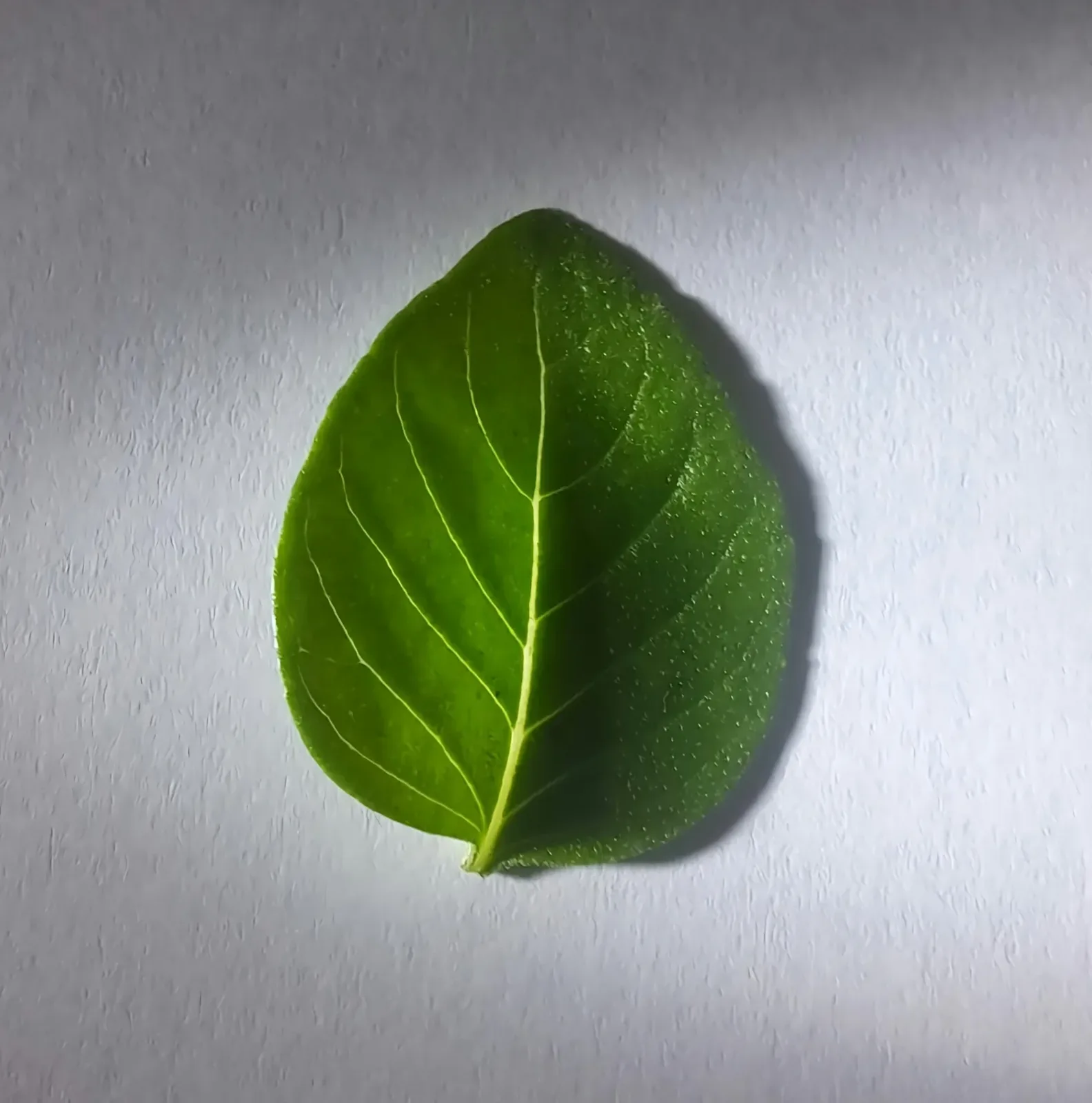
Basil rewards patience at planting time. A cold Canadian spring night can blacken leaves before frost arrives, while a few extra days indoors can give seedlings a much better start.
Quick answer
Basil needs warmth, good light and evenly managed root moisture. Separate crowded supermarket seedlings carefully and harvest above leaf pairs to encourage branching. Canadian outdoor planting must wait for suitable nights, while winter harvests usually require a grow light. Inspect yellowing leaves for downy mildew and use only treatments labelled for edible basil.
How do you identify basil?
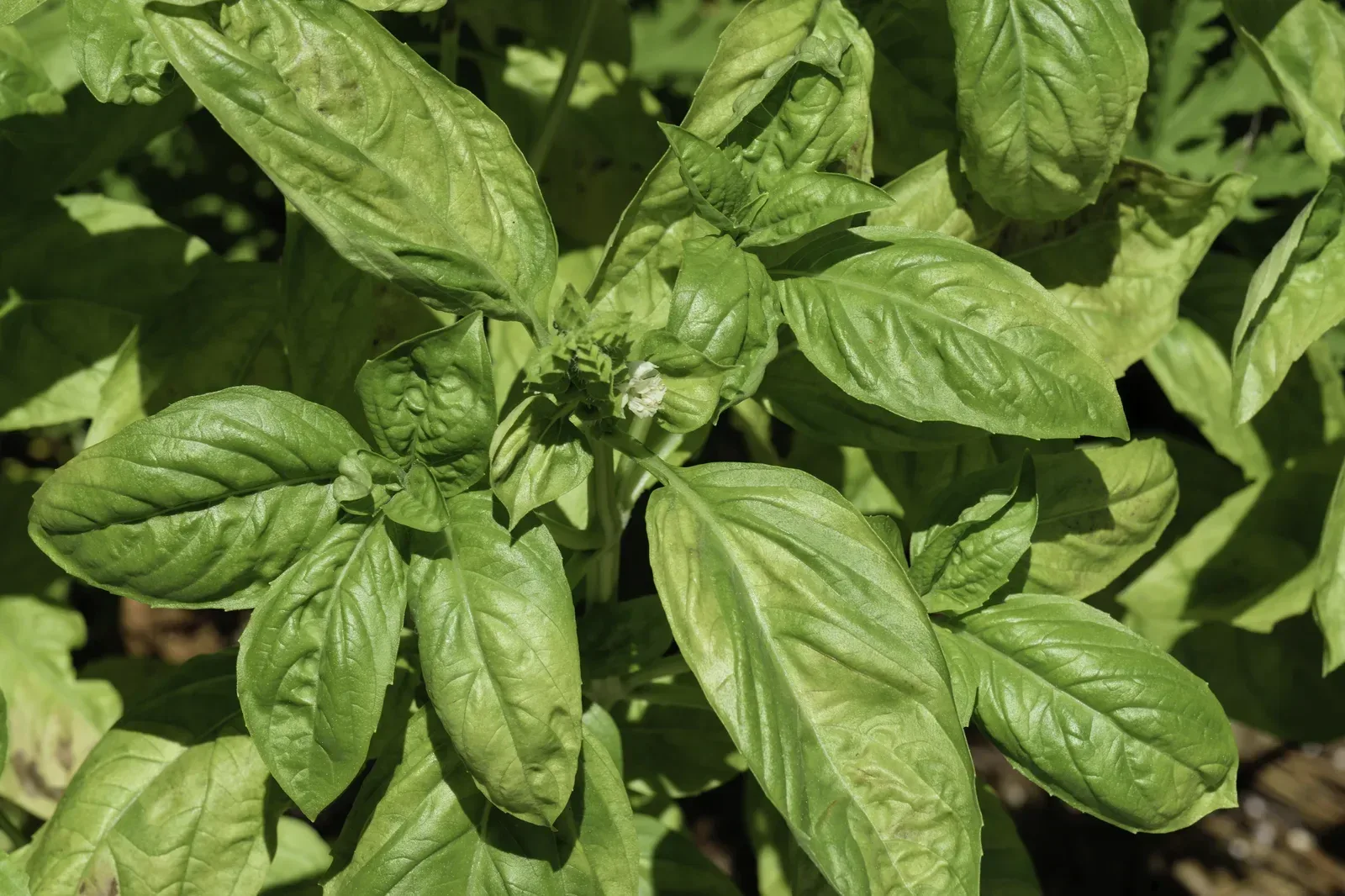
Basil: Sweet basil is Ocimum basilicum. Genovese types suit pesto; Thai and purple forms differ in flavour. Holy basil is different. Supermarket pots usually contain many seedlings rather than one bush.
When can you put basil outdoors in Canada?
Wait beyond the local last-frost window until nights are reliably mild, preferably above about 10 to 12 C. Chilling can blacken leaves even without frost. Harden plants gradually to wind and sun. Pinch above a leaf pair to promote branching. Yellow patches with dark fuzzy undersides suggest downy mildew, not simple hunger. Harvest before autumn cold and preserve useful leaves. A warm-weather herb should not be expected to tolerate an outdoor Canadian winter merely because it grew well all summer.
Where should you plant it for enough light?
Grow basil under strong light, supplementing a short winter window day when needed.
Basil varieties differ in flavour, leaf size and response to cool weather. Genovese types, Thai basil and compact globe selections are not interchangeable in the kitchen or the pot. Keep the cultivar name and choose one suited to your use. All need useful growing light. Outdoors, wait until conditions are reliably warm, not merely until the snow has melted. Indoors during a Canadian winter, a bright window may still need a grow light to support sturdy harvestable growth. A small weak lamp far above the leaves often produces long stems rather than a dense herb plant.
How should you water through the seasons?
Basil prefers consistent moisture without roots sitting in stagnant runoff. Feel the mix before watering, especially in a cool room or after pruning a large harvest. A sunny outdoor pot can dry rapidly, while an indoor winter pot may remain damp much longer. Water the soil and avoid repeatedly splashing crowded leaves. If the plant wilts while the mix is wet, inspect roots and temperature before adding more. Chilling can blacken leaves, and cold damage will not be repaired by fertilizer. Keep the pot away from an open winter window or a refrigerator-like overnight sill behind closed curtains.
What soil or potting mix is best?
Rich, well-drained mix.
When should you fertilize?
Light liquid feed every 2 to 3 weeks in containers.
What temperatures and winter protection does it need?
Basil is frost-tender across Canada, not an outdoor hardy perennial. Use night temperatures and forecasts, not a hardiness-zone promise.
When should you plant, repot or divide?
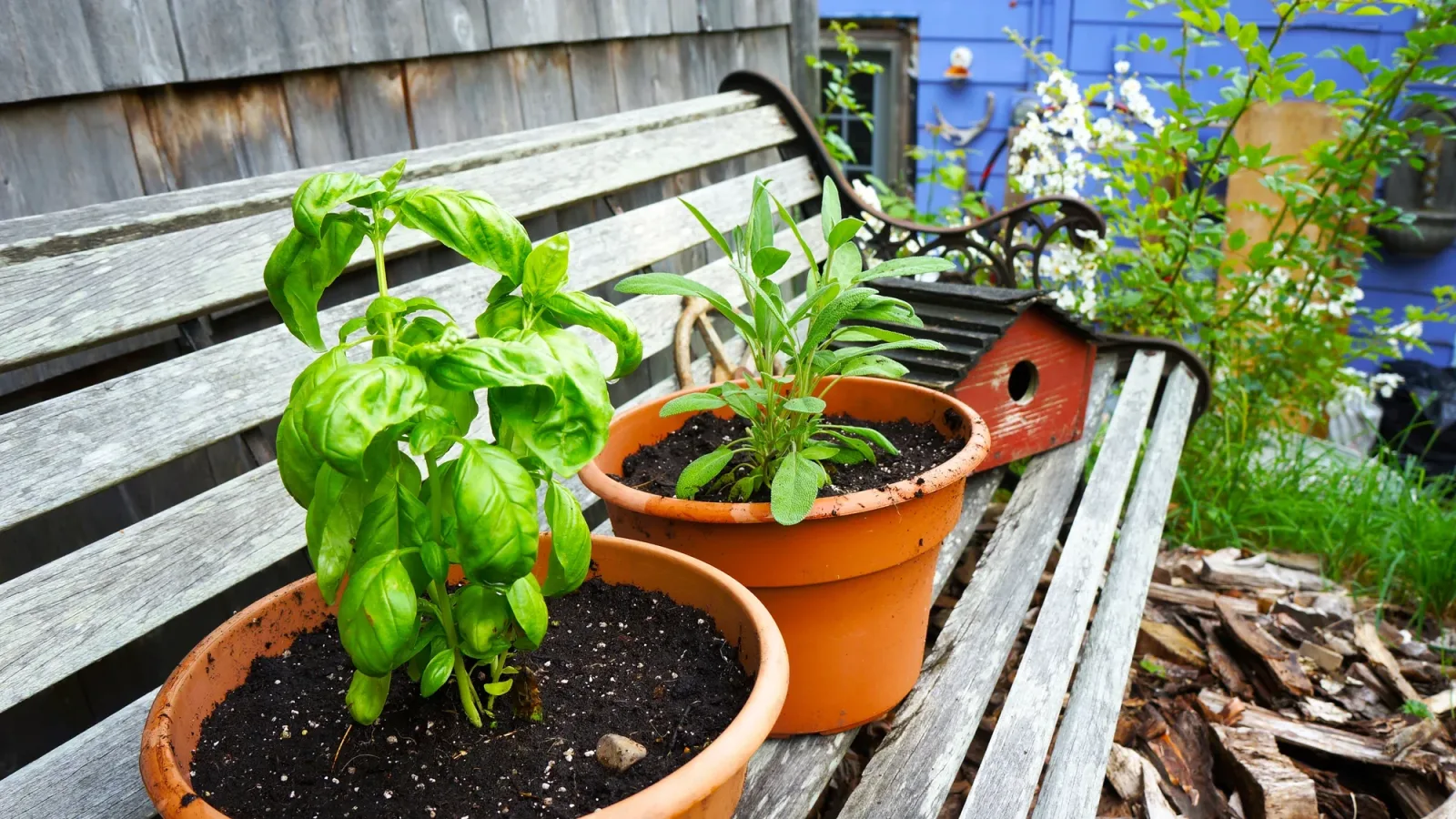
A supermarket basil pot usually contains many crowded seedlings. That creates an instant display but increases competition for water, roots and light. Consider separating manageable groups carefully into appropriate containers rather than expecting the original crowded pot to remain productive indefinitely. Handle roots gently and do not pull every seedling apart bare-root if they are tightly tangled. Use fresh draining potting mix and containers with holes. After division, give gentle conditions while roots settle. The smaller plants will not use water at the same rate as the original dense canopy, so reassess the routine rather than keeping the former daily watering habit.
How should you prune it?
Pinch flower buds and tips.
Harvest above a useful pair of leaves so the plant can branch from the remaining nodes. Taking only individual large leaves eventually leaves long bare stems. Do not remove nearly the whole canopy from a small stressed plant and expect an immediate second crop. Pinch flower buds if leaf production is the priority, while allowing a separate plant to bloom for insects if desired. The flavour and leaf texture can change as flowering advances. Feed moderately during active growth, following directions for edible herbs. Excess feed in low light does not create a healthy winter harvest and can encourage weak extension.
What is the best propagation method?
Sow seed indoors several weeks before planting out or root non-flowering stem tips in water. Pot rooted cuttings in small draining containers. A strong grow light is often needed for useful winter harvests. Start fresh batches as plants age.
Healthy stem tips can root in clean water or a suitable medium. Include nodes and remove leaves that would remain submerged. Transfer rooted cuttings into modest pots before they become a tangled mass in a jar. Seed offers a straightforward way to grow a chosen variety, provided seedlings receive warmth and adequate light. Label batches because young basil types may look similar. Harden plants gradually before outdoor planting. A brief warm afternoon does not remove the risk of a cold Canadian night, so use local forecasts and shelter rather than relying on a single national planting date.
Which pests and diseases should you watch for?
Check for aphids, stem rot and downy mildew. Yellow patches with dark growth beneath leaves need a disease check; do not harvest visibly diseased leaves.
Downy mildew is an important basil problem. Yellowing areas above and a greyish growth beneath leaves require closer inspection, not a general assumption of nutrient deficiency. Buy resistant cultivars where appropriate and keep air moving through the planting. Remove affected plants or material according to local advice rather than saving diseased cuttings. Root rots and ordinary cold injury are different concerns. Avoid unlabelled pesticide treatments on food crops. Any product must be approved for basil and used with its stated harvest interval. Washing leaves does not cancel misuse of a chemical that was never suitable for the crop.
How do you work out the cause?
Black leaves (cold); bolting; wilt (overwater).
Is it safe around pets and children?
For cats and dogs, ASPCA places basil on its non-toxic list. Concentrated essential oils are not the same as foliage and may be unsafe. Give children only clean identified food leaves and keep treatments away from harvests.
A seasonal care calendar for Canada
| Season | What to do |
|---|---|
| Spring | Start indoors; transplant after warm nights. |
| Summer | Harvest peak. |
| Autumn | Take cuttings indoors before frost. |
| Winter | Bright sill or grow light. |
What should you check before buying?
The woody habit of rosemary is unlike a soft basil seedling. Read about asparagus and haskap before sharing containers or irrigation, because an edible-garden label alone does not mean the crops want identical conditions.
Choose stock with compact growth, clean leaf undersides and no widespread yellowing or blackened stems. Check for aphids and other pests before bringing a pot beside indoor herbs. Buy culinary basil from an appropriate source; an unidentified ornamental with fragrant leaves is not automatically food. Keep freshly treated plants separate until label requirements are met. For winter, start with realistic expectations about light and harvest size. A small rotating supply of healthy plants can be more productive than forcing one aging crowded supermarket pot to provide unlimited leaves through the darkest part of the year.
How much should a small plant provide?
Take a modest first harvest and watch how quickly the remaining leaf pairs produce side shoots. A tiny winter plant cannot support the same repeated picking as a well-lit summer pot, even when both carry the same cultivar name.
Comments
No comments yet — share what worked in your climate.