| ☀️ Light | Full sun |
|---|---|
| 💧 Water | Moderate (lightly moist) |
| 🪴 Soil | Well-draining mix |
| 🐾 Safety | Cats: not verified · Dogs: not verified |
| 📏 Mature size | 10.0 m |
Where It Grows & Climate Tolerance
Pet & Companion Animal Toxicity (Golden Wattle (Acacia pycnantha) – Australian Care Guide)
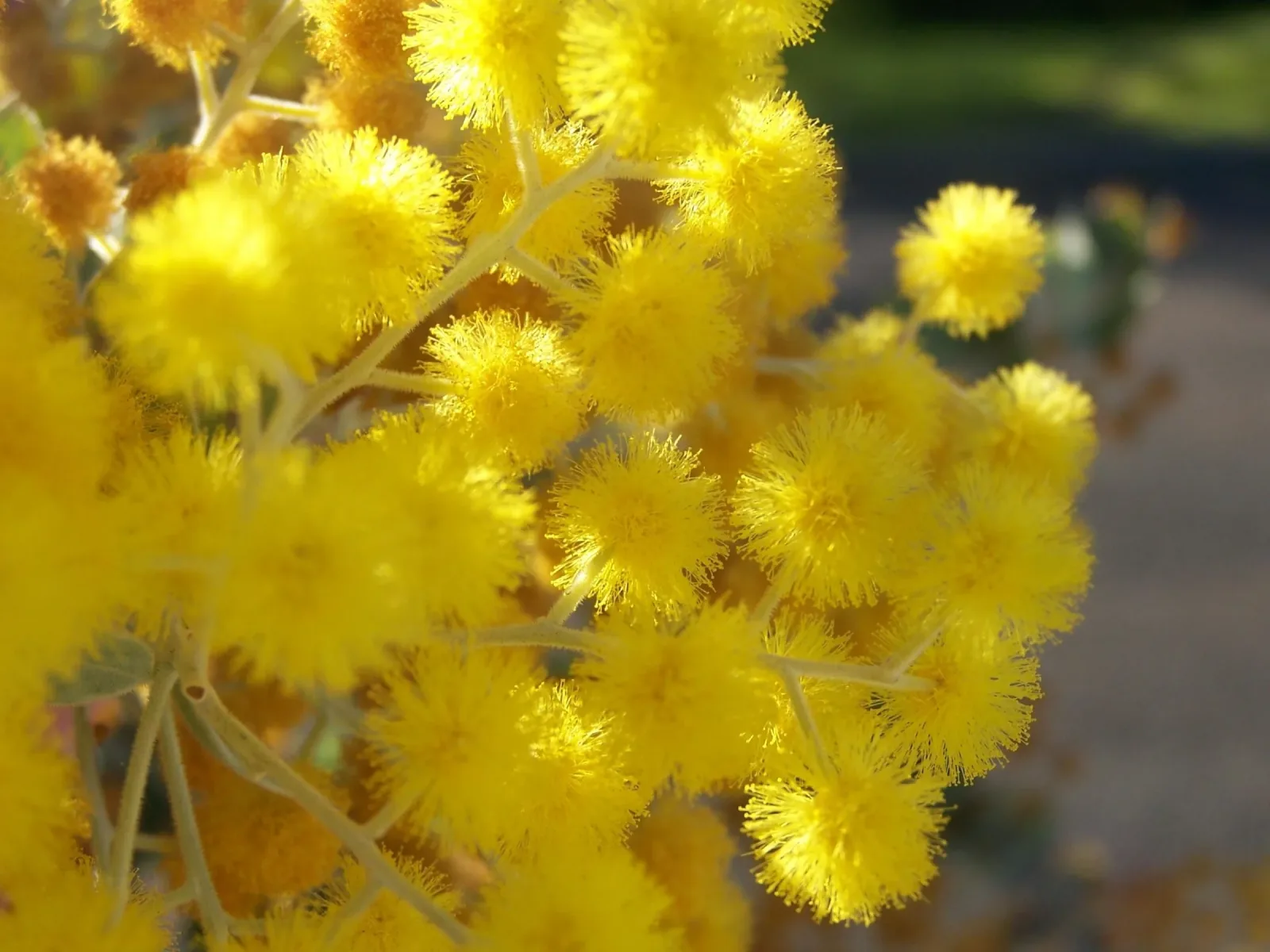
Australia’s floral emblem, Golden Wattle is a spring-flowering native shrub or small tree of south-eastern Australia. Site it in sun with free-draining soil.
Care instructions
Care Guide & Maintenance Routine
In NSW, Victoria and South Australia, choose a sunny, well-drained site. Establish with regular watering; respond to local rainfall and summer heat rather than a fixed schedule.
Light & Sunlight
Choose an open, sunny position for strong growth and flowering.
Watering Schedule
Water newly planted trees until established. Check soil before watering mature plants; rainfall and drainage vary across Australian regions.
Potting Mix & Drainage
Use an aerated, free-draining potting blend containing perlite, coco peat, or coarse bark. Ensure pots have active bottom drainage holes.
Temperature & Humidity
Southern Australian seasons apply: summer heat falls in December–February and cooler conditions in June–August. Protect young plants during local heatwaves and unusual frost.
Golden Wattle (Acacia pycnantha) occurs naturally in New South Wales, Victoria and South Australia. In suitable Australian gardens it may grow into a substantial shrub or small tree, so allow space away from paths and buildings. Its rounded golden flower heads are a conspicuous spring feature. Plant in full sun in a site that drains freely. Water new plants through their first dry periods; after establishment, adjust irrigation to soil and rainfall rather than keeping roots wet. In hotter inland or drier South Australian sites, monitor young plants during heatwaves. In cooler Victorian sites, avoid saturated winter soil. Lightly shape after flowering if necessary. Seed has a hard coat and is commonly pretreated before sowing. Source regionally suitable stock from a native nursery and check local environmental advice near bushland. Flower timing and watering needs vary with weather and locality.
Seasonal rhythm
Seasonal Calendar
| Month | Care Tasks | Seasonal Focus |
|---|---|---|
| Jan | In summer heat, check new plants twice weekly and water deeply only when the root zone is drying. Mulch clear of the trunk. | |
| Feb | Continue establishment watering through hot spells; inspect leaves for heat stress and avoid waterlogged soil. | |
| Mar | As early autumn cools, assess drainage and prepare a sunny planting site where local conditions allow. | |
| Apr | Autumn planting can suit mild districts; water new plants in and keep weeds away from the root zone. | |
| May | Monitor young trees as winter approaches; avoid heavy pruning and check drainage after rain. | |
| Jun | In winter, keep soil from remaining saturated and protect new plants from severe local frost. | |
| Jul | Check winter storm damage and remove only broken or diseased wood; let soil dry between waterings. | |
| Aug | Watch developing flower buds in late winter and avoid hard pruning that would remove them. | |
| Sep | Enjoy spring flowering; look for aphids on new growth and support pollinators without routine spraying. | |
| Oct | After flowering, lightly shape if needed. Collect mature seed only where permitted and with proper identification. | |
| Nov | As late spring warms, check mulch and water newly planted trees during dry weather. | |
| Dec | Begin summer monitoring: give young plants deep water in dry spells and check for scorch or poor drainage. |
Diagnostics
Common Problems & Troubleshooting
Poor drainage may cause root decline. Sparse flowers can reflect shade or an immature plant.
Pests & seasonal watch: Check tender spring growth for aphids and scale. Confirm the cause of leaf decline before treatment; waterlogging and drought can look similar.
Similar Botanical Matches
Grower field notes
Reader Field Notes in Australia
Share how this plant performs in your local Australia climate.