
| ☀️ Light | Full sun |
|---|---|
| 💧 Water | Moderate (lightly moist) |
| 🪴 Soil | Moderately fertile, well-drained soil |
| 🐾 Safety | Cats: not verified · Dogs: not verified |
| 📏 Mature size | 8.0 m |
Where It Grows & Climate Tolerance
Pet & Companion Animal Toxicity (Crepe Myrtle Growing Guide for Australia)
Not yet verified: Toxicity status for cats, dogs, and horses has not yet been confirmed against veterinary poison-control records. Keep out of reach of pets or consult your veterinarian.
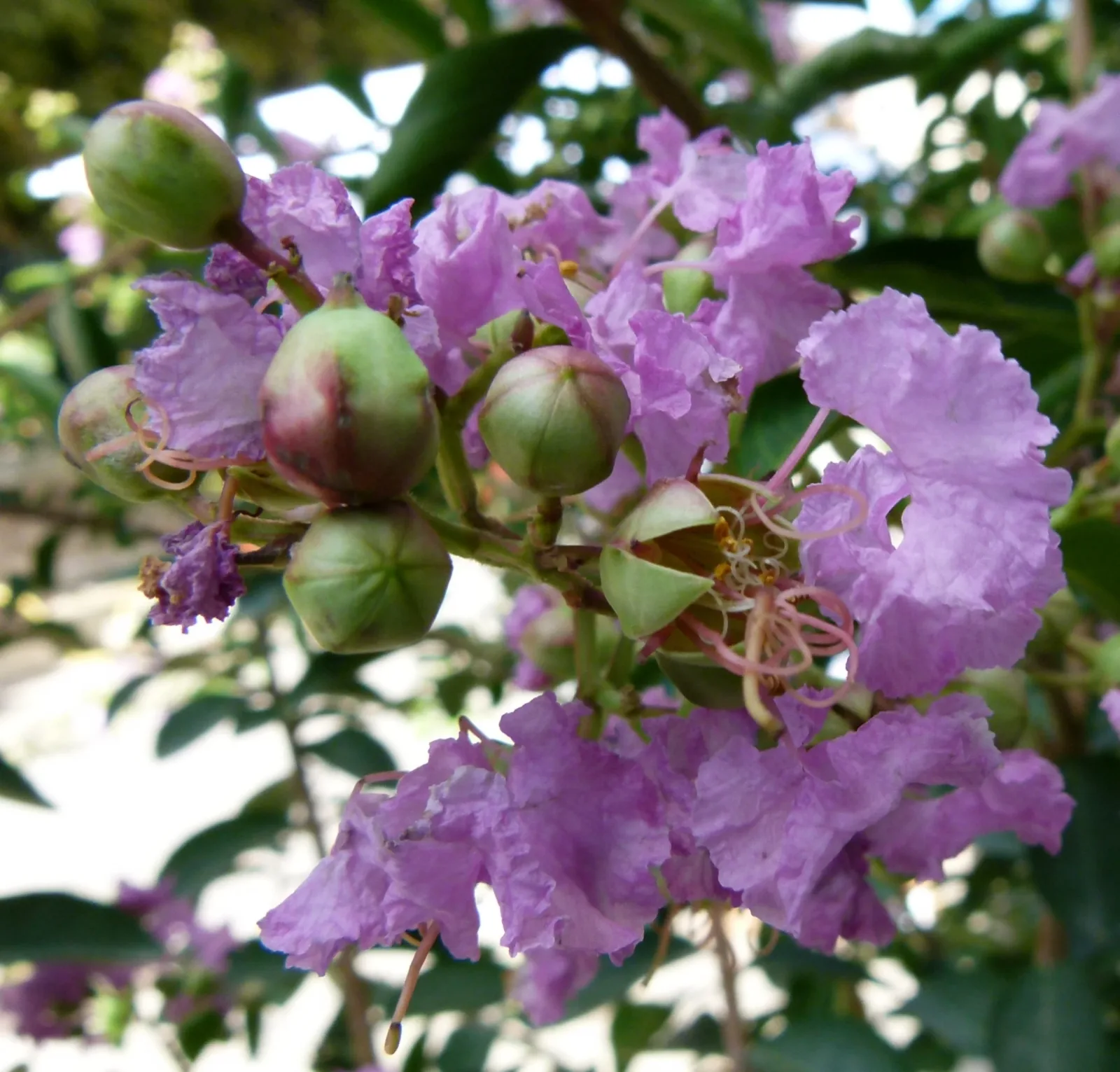
A colourful small garden tree for sunny Australian sites, with summer flowers and attractive winter bark.
Care instructions
Care Guide & Maintenance Routine
In warm Australian districts, plant in full sun and avoid wet feet. Water young trees through their first dry summers; prune in winter only to shape or remove damaged wood.
Light & Sunlight
Full sun encourages strong flowering. Choose an open position with good airflow.
Watering Schedule
Water new trees well until roots establish. Established trees tolerate some drought; do not leave roots waterlogged.
Potting Mix & Drainage
Moderately fertile, well-drained soil
Temperature & Humidity
Choose a cultivar suited to your district. Warm summers help flowering; plants lose leaves in winter.
Crepe myrtle flowers through summer in many Australian gardens, then offers autumn leaf colour and exposed patterned bark in winter. Cultivars vary greatly in height, so choose one that fits the space.
Plant in well-drained soil with room for air to circulate. A young tree needs regular watering to establish. Older trees handle dry spells better. Powdery mildew can affect susceptible cultivars; ask for a resistant selection if this has been a problem locally.
Seasonal rhythm
Seasonal Calendar
| Month | Care Tasks | Seasonal Focus |
|---|---|---|
| Jan | Routine check | Water young trees in summer heat; enjoy flowers. |
| Feb | Routine check | Water deeply in prolonged dry spells; check mildew. |
| Mar | Routine check | Late flowers may continue; avoid wet feet. |
| Apr | Routine check | Enjoy autumn leaf colour; reduce watering as growth slows. |
| May | Routine check | Leaves fall; collect diseased foliage if present. |
| Jun | Routine check | Dormant season: remove dead or crossing branches if needed. |
| Jul | Routine check | Winter is a good time to plant bare-root stock where available. |
| Aug | Routine check | Finish any light shaping before spring growth. |
| Sep | Routine check | New growth begins; add compost if soil is poor. |
| Oct | Routine check | Mulch and water new plantings as weather warms. |
| Nov | Routine check | Watch for early flower buds and mildew. |
| Dec | Routine check | Summer bloom begins; water newly planted trees. |
Diagnostics
Common Problems & Troubleshooting
Poor flowering can result from insufficient sun or an unsuitable climate. Wet soil may damage roots.
Pests & seasonal watch: Powdery mildew can deform flowers on older varieties. Keep airflow open and choose resistant cultivars.
Similar Botanical Matches
Keep exploring
Related plants
Grower field notes
Reader Field Notes in Australia
Share how this plant performs in your local Australia climate.