
| ☀️ Light | Bright indirect light |
|---|---|
| 💧 Water | Low (allow soil to dry) |
| 🪴 Soil | Well-drained potting mix |
| 🌡️ Temp | 5°C – 38°C |
| 🐾 Safety | Cats: toxic · Dogs: toxic |
| 📏 Mature size | 30 cm |
Where It Grows & Climate Tolerance
Pet & Companion Animal Toxicity (Moses-in-the-Cradle (Oyster Plant, Rhoeo))
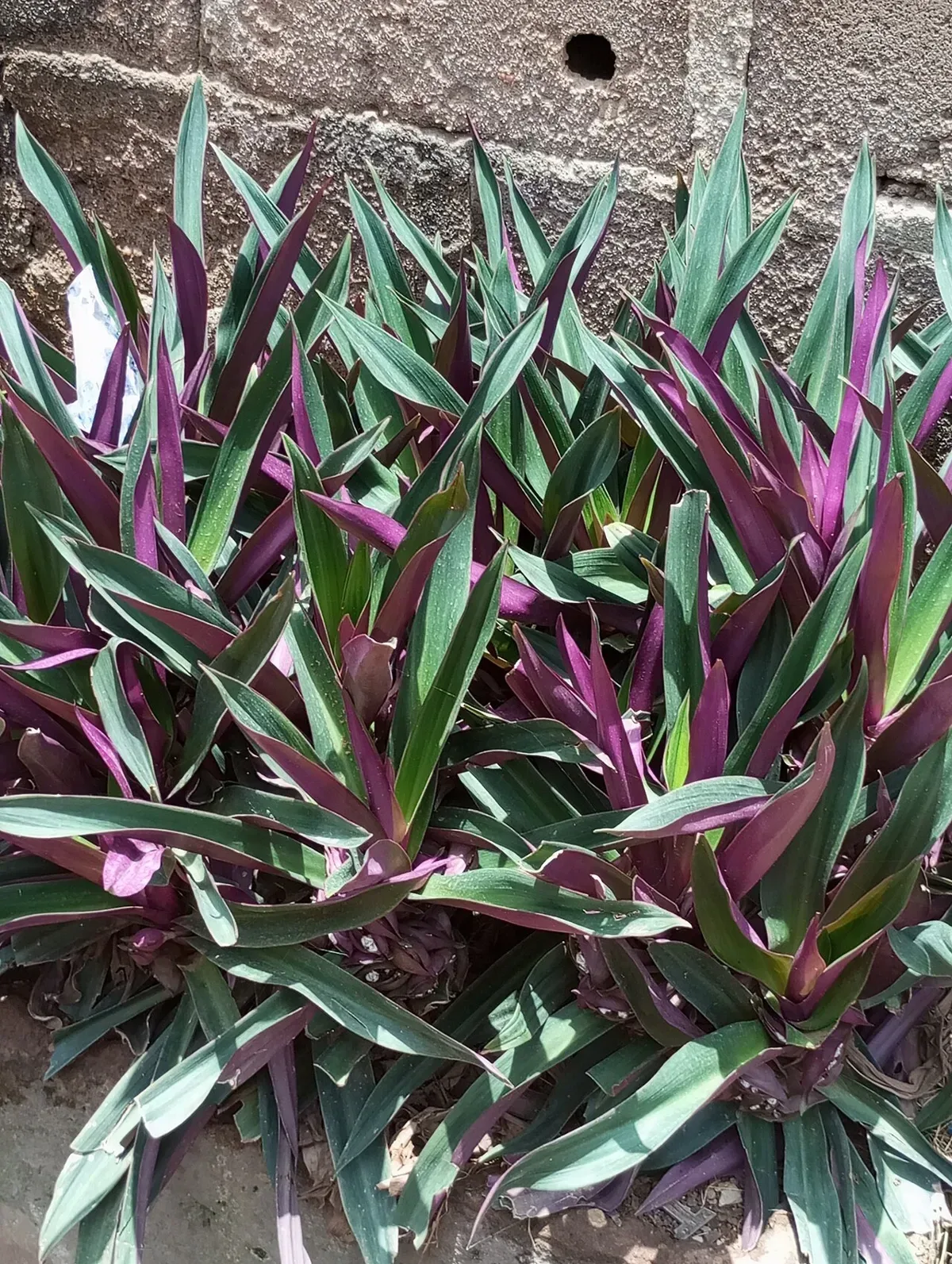
Moses-in-the-cradle is a clumping, evergreen spiderwort from southern Mexico and Guatemala, with stiff, sword-like rosettes of leaves that are dark green above and purple beneath. Tiny white flowers sit in purple, boat-shaped bracts. It is easy to grow, but its sap irritates skin and it is harmful if eaten.
Care instructions
Care Guide & Maintenance Routine
Give bright, indirect light; in low light it stretches and loses its purple colour. Plant in well-drained mix and let the top 2.5 to 5 cm dry between waterings, watering less in winter. Divide clumps or root offsets to propagate. Wear gloves when handling and keep it away from pets and children.
Light & Sunlight
NC State recommends plenty of bright, indirect light, and notes that in low light the plant stretches and becomes lanky, or the purple leaves revert to green. Outdoors, it needs afternoon shade.
Watering Schedule
NC State advises letting the top 2.5 to 5 cm of soil dry between waterings in containers and cutting back on water in winter. Overwatering causes root rot.
Potting Mix & Drainage
Well-drained potting mix
Temperature & Humidity
NC State notes it can grow outdoors in zones 9 and higher, forming a dense groundcover, and should be moved indoors when frost threatens. It handles heat well with water and shade from harsh afternoon sun.
About moses-in-the-cradle
Moses-in-the-cradle, Tradescantia spathacea, is a clumping, evergreen herbaceous perennial in the spiderwort family. NC State notes its native range is southern Mexico to Guatemala and that it was formerly known as Rhoeo spathacea, a name still common on plant labels. Other names include oyster plant and boat lily.
Plants grow 15 to 30 cm tall and 30 to 60 cm wide, according to NC State. Each rosette is made of stiff, sword-like leaves arranged in a spiral, dark green or green-striped above and purple underneath. The flowers are small, white and three-petalled, tucked inside purple, boat-shaped bracts at the base of the leaves. NC State notes they may appear at any time of year and are followed by a dry, two-seeded capsule.
Cultivars
NC State lists three:
- 'Dwarf': a compact plant with dark green leaves and purple undersides.
- 'Tricolor': leaves striped purple, white and green.
- 'Vittata': variegated, striped leaves.
Striped forms need the brightest light to keep their pattern, and they grow a little more slowly than the plain green and purple type.
Light
NC State recommends plenty of bright, indirect light. With too little, the plant stretches and becomes lanky, or the purple colour fades back to green. A position a short distance from a bright window is ideal. Outdoors, give afternoon shade; hot midday sun can bleach the leaves.
Watering
This is a forgiving plant that prefers to dry slightly between waterings. NC State advises letting the top 2.5 to 5 cm of soil dry in containers and watering less in winter. The thick leaves store some water, so occasional neglect does little harm. Constant wetness, on the other hand, causes root rot.
Soil and pots
Choose a free-draining potting mix. A pot with drainage holes is essential. NC State notes the plant grows upward instead of trailing, so it suits upright pots, troughs and mixed planters rather than hanging baskets.
Feeding
Little feeding is needed. A balanced liquid feed at half strength once a month in the warm, bright months keeps growth steady. Overfeeding produces soft, floppy rosettes.
Propagation
NC State notes it is easy to propagate by seed, division or stem cutting. The simplest method is to pull side rosettes away from the main clump, each with a few roots, and pot them separately. A rosette that has stretched on a bare stem can be cut off and rooted in moist mix.
Pests and problems
- Mealybugs: white, cottony insects hidden at the leaf bases.
- Whiteflies: tiny white insects under leaves.
- Spider mites: fine speckling and webbing in dry conditions.
- Root rot: from overwatering.
- Leaf spot: NC State lists fungal spots as possible.
Look closely between the tightly packed leaves, where pests hide. Isolate any new plant for a couple of weeks before placing it beside your other houseplants, so that hidden pests do not spread.
Sap and safety
NC State rates moses-in-the-cradle a low-severity poison. It is toxic to humans and pets if eaten, and the sap can cause contact dermatitis. NC State recommends wearing gloves when handling it and keeping it out of reach of small children and pets. ASPCA has no listing for this plant.
Weedy potential
NC State warns that the plant naturalises easily and tends to become weedy where it grows outdoors. Seeds and broken rosettes root readily. In warm climates, remove seedlings, keep it in beds where it can be contained, and never dump unwanted plants or garden waste in natural areas.
Uses
- Houseplant: a tidy, low-maintenance plant for bright rooms and offices.
- Groundcover: NC State notes it forms a dense mat outdoors in warm climates.
- Edging: purple rosettes along paths and bed edges.
- Containers: upright accent in mixed planters.
Growing in mixed planters
The upright, purple-backed rosettes make a strong contrast with fine-leaved or silver plants. In a mixed container, place it in the centre or towards the back and surround it with low, mounding foliage. Because all the plants in a shared pot get the same water, pair it with others that like to dry slightly between waterings. In beds, a row of rosettes 20 to 25 cm apart forms a neat purple edge within a season.
Repotting
Repot when roots circle the pot or rosettes push against the rim, usually every two years. Move up only one pot size, since too much wet mix around a small root system invites rot. Spring and early summer, when growth is active, are the best times. Water lightly for the first week afterwards.
Cleaning the leaves
Dust settles in the upright rosettes and dulls the colour. Rinse the plant under a gentle shower of lukewarm water every few months, tipping the pot so water does not collect in the centre. This also dislodges spider mites and makes mealybugs easier to spot.
Choosing a healthy plant
Pick compact rosettes with deep purple undersides and no bare stems. Check between the leaves for mealybugs before buying, and avoid pots sitting in water.
Troubleshooting
- Stretched, green rosettes: too little light.
- Soft, collapsing base: root rot from wet mix.
- Bleached patches: harsh direct sun.
- Brown tips: dry air or irregular watering.
Companions
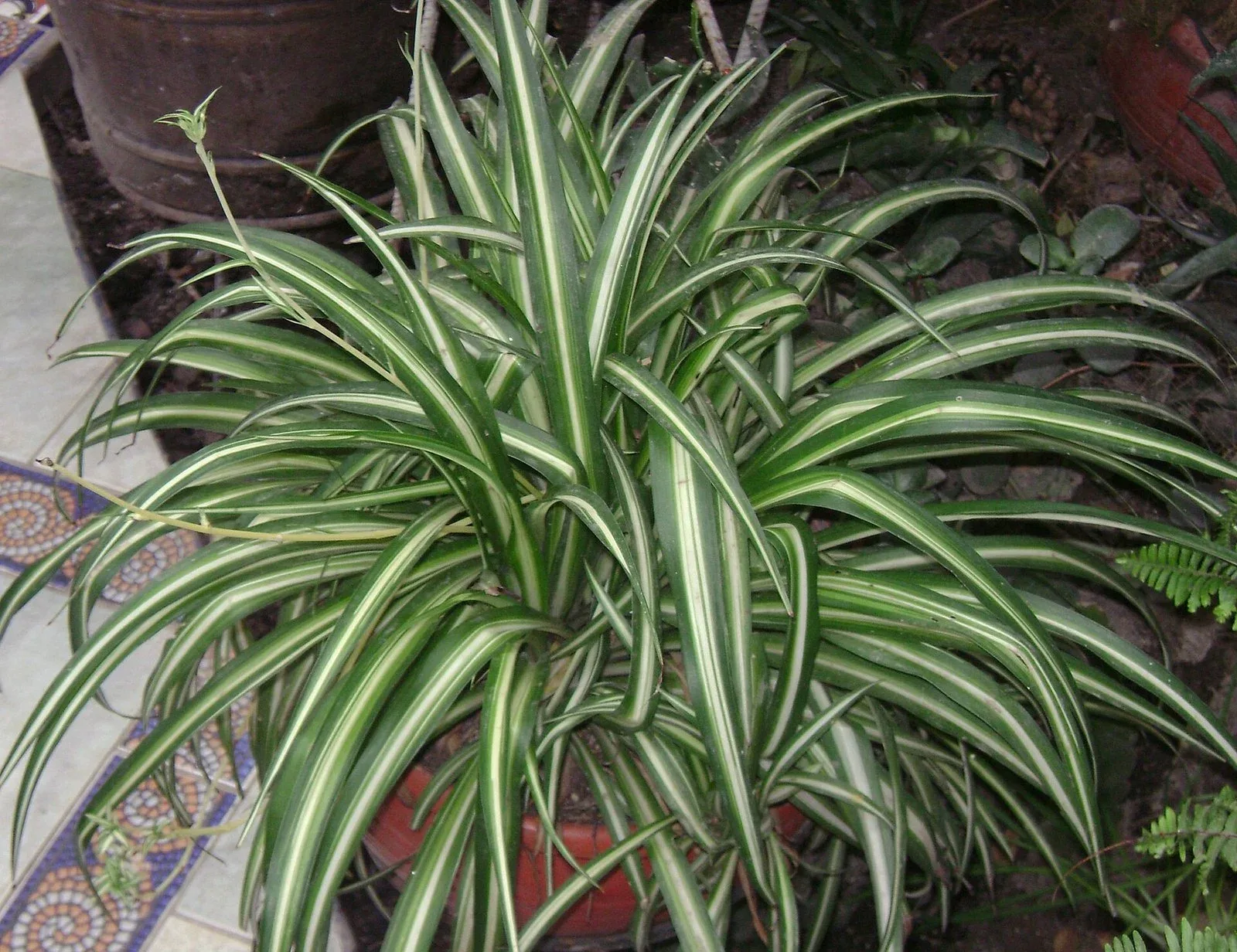
For a purple-leaved group, combine it with tradescantia zebrina, a close relative, and purple velvet plant. It shares the easy-care habits of snake plant, ZZ plant, spider plant and Chinese evergreen.
Local seasons and growing tips are in the country sections.
Seasonal rhythm
Seasonal Calendar
A month-by-month calendar for Moses-in-the-Cradle (Oyster Plant, Rhoeo) in Global is coming soon. See the light, water and temperature notes above.
Diagnostics
Common Problems & Troubleshooting
Green, stretched rosettes in low light; root rot in wet soil; brown tips in very dry air; mealybugs at the leaf bases; skin irritation from sap; seedlings spreading in warm gardens.
Pests & seasonal watch: NC State lists mealybugs, whiteflies and spider mites, and notes overwatering causes root rot. Fungal leaf spot is also possible.
Q&A
Frequently Asked Questions
Why is it called moses-in-the-cradle?
The small white flowers sit inside purple, boat-shaped bracts at the leaf bases, like a baby in a cradle or boat. NC State notes the species name spathacea refers to these bracts.
Is moses-in-the-cradle toxic to pets?
NC State lists it as toxic to humans and pets if eaten and notes the sap can cause contact dermatitis. ASPCA has no listing. Keep it away from pets and children.
Why are the purple leaves turning green?
Too little light. NC State notes that in low light the purple leaves may revert to green and the plant stretches.
How often should I water it?
NC State advises letting the top 2.5 to 5 cm of soil dry between waterings in pots and watering less in winter.
Can I grow it in a hanging basket?
Not well. NC State notes it grows upward rather than trailing.
How do I propagate it?
By seed, division or stem cuttings, according to NC State. Dividing side rosettes is the simplest.
Is it the same as Rhoeo?
Yes. NC State notes it was formerly called Rhoeo spathacea and is still sold under that name. Rhoeo discolor is another older name.
Can it become invasive?
In warm climates it can. NC State warns it naturalises easily and tends to become weedy. Remove seedlings and do not dump plants in natural areas.
Does it flower?
Yes, at any time of year, NC State notes, though the white flowers are small and hidden in the bracts.
Similar Botanical Matches
Keep exploring
Related plants
Grower field notes
Reader Field Notes in Global
Share how this plant performs in your local Global climate.