
| ☀️ Light | Full sun |
|---|---|
| 💧 Water | Moderate (lightly moist) |
| 🪴 Soil | Fertile, moist but well-drained loam; tolerates most soils |
| 🌡️ Temp | -37°C – 32°C |
| 🐾 Safety | Cats: non-toxic · Dogs: non-toxic |
| 📏 Mature size | 60 cm |
Where It Grows & Climate Tolerance
Pet & Companion Animal Toxicity (Lemon Balm)
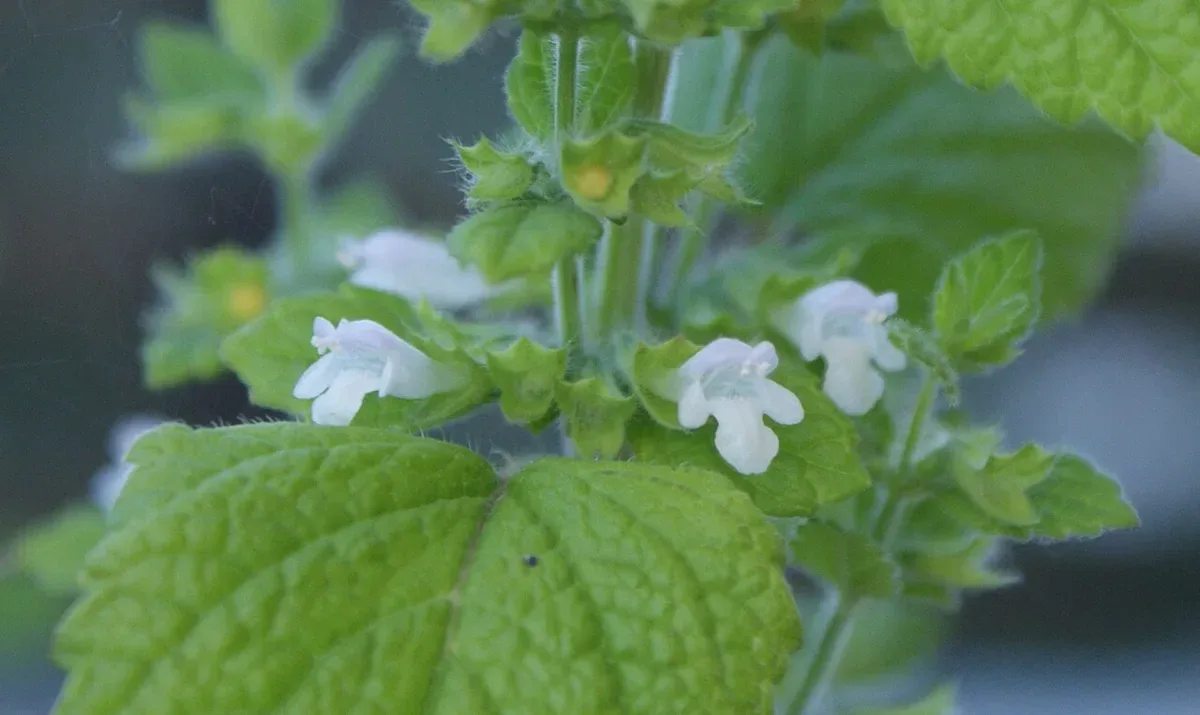
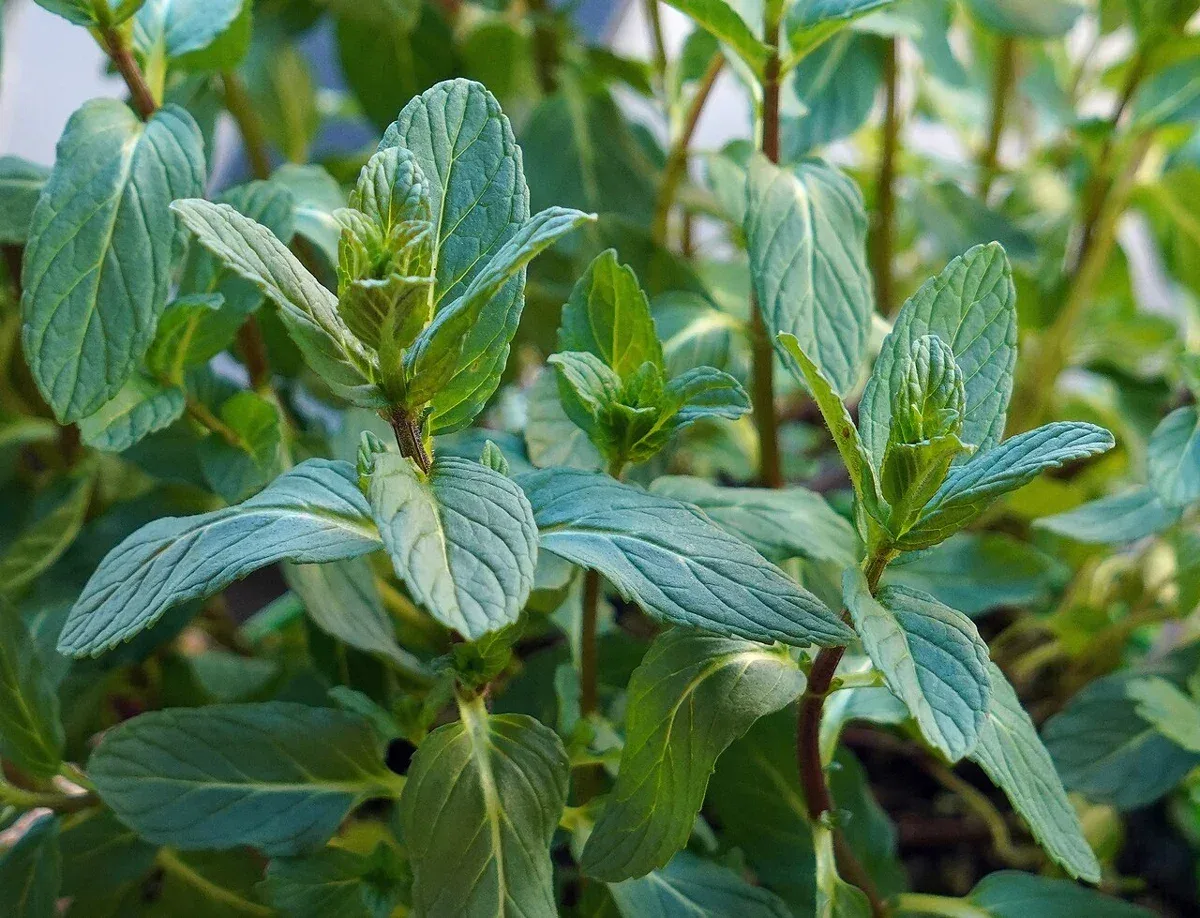
Lemon balm (Melissa officinalis) is a hardy, clump-forming herb in the mint family with crinkled, heart-shaped leaves that smell of fresh lemon. It grows quickly in sun or light shade, is a favourite with bees, and is cut for tea and salads from spring to autumn.
Care instructions
Care Guide & Maintenance Routine
Grow in sun or partial shade in moist, well-drained soil, or in a pot to stop it spreading. Water in dry spells. Cut back hard after flowering for fresh leaves and to stop self-seeding. Divide clumps every three or four years. In hot climates, give afternoon shade and grow it through the cool months.
Light & Sunlight
NC State and the RHS list full sun to partial shade. Wisconsin Horticulture notes the yellow-leaved 'All Gold' colours best in partial shade. In hot, dry climates afternoon shade prevents scorched leaves.
Watering Schedule
Keep the soil lightly moist during active growth and water in dry spells. NC State notes established plants tolerate some drought, but leaves turn tough and less fragrant when stressed. Pots dry faster and need checking every day or two in warm weather.
Potting Mix & Drainage
Fertile, moist but well-drained loam; tolerates most soils
Temperature & Humidity
Wisconsin Horticulture rates it hardy in zones 3a to 9b; NC State lists zones 3a to 7b. It dies back to the roots in winter and resprouts in spring. The -37°C minimum reflects the zone 3a winter low for established, snow-covered plants. Plants slow down and look tired in hot summers above about 32°C. Height is about 60 cm, with flower stems to 90 cm according to the RHS.
About lemon balm
Lemon balm is a hardy perennial herb in the mint family. Wisconsin Horticulture notes it is native to the mountains of southern Europe and northern Africa and has naturalised in warm and temperate places around the world. Plants form a bushy clump about 60 cm tall, with flower stems reaching 90 cm according to the RHS.
The leaves are bright green, oval to heart-shaped, crinkled and toothed, held in pairs along square stems. Brush past them and the air fills with a clean lemon scent. In summer, tiny white flowers, sometimes tinged yellow or pink, appear in the leaf joints. They are rich in nectar, and the name Melissa comes from the Greek for honeybee.
Varieties
- Common lemon balm: plain green leaves and the strongest lemon scent. Widely sold as seed and plants.
- 'All Gold': yellow leaves that colour best in partial shade, per Wisconsin Horticulture.
- 'Variegata' or 'Aurea': green leaves splashed with gold; the markings fade in summer heat.
- 'Lime': a lime scent instead of lemon, 30 to 60 cm tall, propagated from cuttings.
- 'Lemona': a seed variety bred for leaf and oil production.
Where to plant
NC State and the RHS give full sun to partial shade. Sun brings out the strongest scent; in hot places, a site with afternoon shade keeps the leaves soft and green. Lemon balm spreads by seed and slowly by creeping roots, so choose a spot where a large clump is welcome, or keep it in a container.
Soil
Wisconsin Horticulture recommends fertile, well-drained soil. The plant is forgiving, and NC State notes it tolerates poor soil once established. Avoid ground that stays waterlogged, especially in winter. Mix compost into heavy clay before planting.
Growing in pots
A pot is the easiest way to keep lemon balm in bounds. Use a container at least 25 cm wide with drainage holes and a general potting mix. Pots dry out quickly in summer, so check them every day or two. Divide and replant every year or two, because roots soon fill the pot.
Watering
Water regularly until plants are established, then in dry spells. Stressed plants turn tough and lose fragrance. Water at the base in the morning rather than over the leaves, which helps prevent mildew.
Feeding
Lemon balm needs little feeding. Too much richness gives soft, lush leaves with weaker scent. A spring top-dressing of compost is enough in the ground; pots benefit from a balanced liquid feed once or twice in summer, at label rate.
Cutting back and deadheading
This is the most important job. Wisconsin Horticulture recommends cutting back hard after flowering, which produces a fresh flush of leaves, and deadheading to prevent nuisance seedlings. NC State also advises removing spent flower stalks. Without this, plants become tall, floppy and full of seedlings by autumn.
Harvesting
Pick young shoot tips at any time for the best flavour. For larger quantities, Wisconsin Horticulture suggests cutting several inches of top growth at flowering in the first year, and two or three cuts a season on established plants. Use leaves fresh in tea, fruit salads, drinks and fish dishes.
Drying
Spread cut stems on screens in a dark, airy room. Once dry, strip the leaves and store them in closed jars. Wisconsin Horticulture notes the dried leaves lose much of their aroma, so dry small batches and use them within a few months.
Propagation
- Seed: sow indoors 4 to 6 weeks before the last frost. Germination can be slow. Transplant seedlings at 5 to 8 cm tall, 40 to 45 cm apart.
- Division: split old clumps in spring or early fall.
- Cuttings: soft stem tips root in moist mix in a few weeks.
Wisconsin Horticulture notes plants decline after three or four seasons, so divide or replace them then.
Winter
Wisconsin Horticulture rates lemon balm hardy in zones 3a to 9b. It dies back to the ground when temperatures drop and resprouts in spring. Cut down the old stems after they collapse and leave the crown alone. Where summers are very hot, it behaves the other way round, growing best through the cooler months.
Pests and problems
- Powdery mildew: white coating on leaves in humid, crowded clumps. Cut back and improve airflow.
- Aphids and spider mites: listed by NC State, mainly on stressed or indoor plants.
- Leaf spot and grey mould: in wet weather; remove affected leaves.
- Self-seeding: seedlings everywhere if flowers are left on.
Spots and discoloured leaves can have more than one cause; look closely before treating.
In the kitchen
The flavour is gentler than lemon zest and fades with long cooking, so add leaves at the end. Chop them into fruit salads, yoghurt, salad dressings and butter for fish, or steep a handful in hot or cold water for a simple tea. Leaves picked in the morning, before the heat of the day, carry the most scent.
Pets and wildlife
ASPCA lists lemon balm as non-toxic to dogs, cats and horses. Wisconsin Horticulture notes deer and rabbits rarely eat it. Bees visit the flowers all summer.
Common mistakes
- Planting it loose in a small bed and letting it seed.
- Skipping the hard cut after flowering.
- Drying large batches and keeping them too long.
Lemon balm shares the herb garden with mint, oregano, thyme and basil. For more bee plants in the same family, see catmint and wild bergamot.
India and Canada in brief
Where winters are cold, this is a long-lived hardy perennial that dies back and returns each spring. Where summers are hot, it is grown in the cool months or in the hills. The market sections cover planting time and the season to watch.
Seasonal rhythm
Seasonal Calendar
A month-by-month calendar for Lemon Balm in Global is coming soon. See the light, water and temperature notes above.
Diagnostics
Common Problems & Troubleshooting
Self-seeding and spreading clumps; tall, floppy flowering stems with tough leaves; powdery mildew in humid, crowded conditions; wilting and leaf scorch in heat and drought; declining old clumps after three or four years.
Pests & seasonal watch: NC State lists aphids, spider mites, powdery mildew, leaf spot and grey mould. Wisconsin Horticulture notes few pest problems apart from occasional powdery mildew, and that deer and rabbits rarely eat it.
Care encyclopedia · 1 guide
Guides & Articles for Lemon Balm
Q&A
Frequently Asked Questions
Is lemon balm the same as bee balm?
No. Wisconsin Horticulture notes lemon balm is not related to bee balm (Monarda), although both are in the mint family and both attract bees.
Does lemon balm spread like mint?
It spreads, but mainly by seed. NC State notes it self-seeds and also creeps by rhizomes. Cut it back after flowering and grow it in a pot if space is limited.
When should I harvest lemon balm?
Pick young tips any time from spring to autumn. For a bigger harvest, Wisconsin Horticulture suggests cutting several inches of top growth at flowering, with two or three cuts a season on established plants.
Can I dry lemon balm?
Yes, on screens in a dark, airy room. Wisconsin Horticulture notes dried leaves lose much of their aroma, so fresh leaves give the best tea.
Why does my lemon balm look tired by midsummer?
Flowering stems turn tough and leggy. Cut the whole plant back hard after flowering; a fresh flush of leaves follows within a few weeks.
Can I grow lemon balm from seed?
Yes. Sow indoors 4 to 6 weeks before the last frost, as Wisconsin Horticulture advises, and be patient, because germination can be slow.
How long does a plant last?
Wisconsin Horticulture notes plants generally decline after three or four seasons. Divide or replace them at that point.
Is lemon balm safe for pets?
ASPCA lists Melissa officinalis as non-toxic to dogs, cats and horses.
Will lemon balm grow in shade?
In partial shade, yes. The RHS notes it is happy in sun or partial shade, and the yellow-leaved forms prefer light shade. Deep shade gives thin, floppy growth.
Similar Botanical Matches
Keep exploring
Related plants
Grower field notes
Reader Field Notes in Global
Share how this plant performs in your local Global climate.