
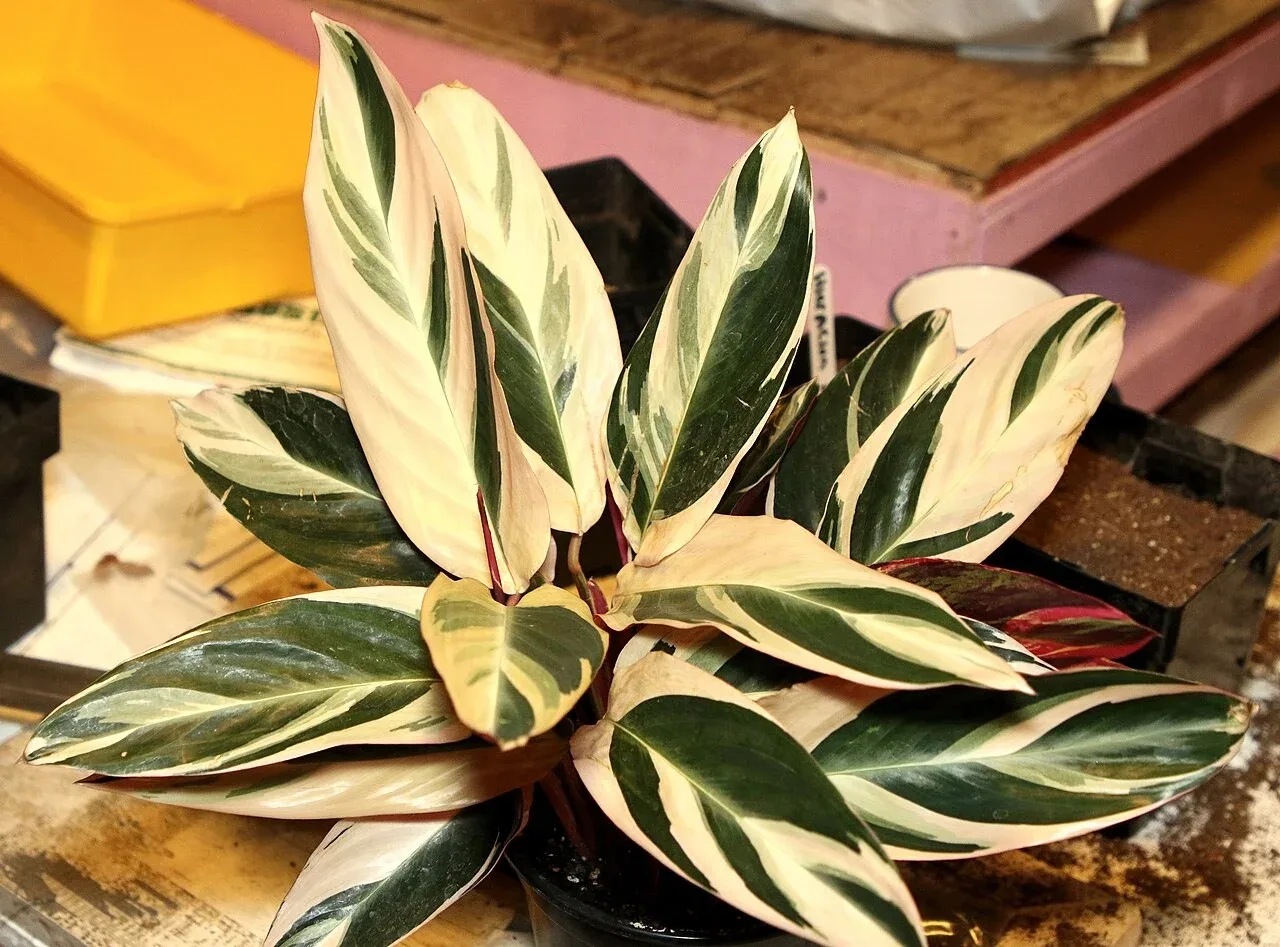
| ☀️ Light | Bright indirect light |
|---|---|
| 💧 Water | Moderate (lightly moist) |
| 🪴 Soil | Moisture-retentive, airy, peat-free indoor potting mix |
| 🌡️ Temp | 15°C – 30°C |
| 🐾 Safety | Cats: not verified · Dogs: not verified |
| 📏 Mature size | 90 cm |
Where It Grows & Climate Tolerance
Pet & Companion Animal Toxicity (Stromanthe Triostar Care in India: Watering and Humidity)
Not yet verified: Toxicity status for cats, dogs, and horses has not yet been confirmed against veterinary poison-control records. Keep out of reach of pets or consult your veterinarian.
Pink, cream and green foliage for bright filtered light. Triostar needs steady root moisture, humid air and protection from harsh sun.
Care instructions
Care Guide & Maintenance Routine
Light: bright filtered daylight. Water: when the top 1–2 cm starts to dry; keep the root ball lightly moist, never soggy. Humidity: aim for 50–70% with ventilation. Temperature: preferably 18–27°C, protected below 15°C.
Light & Sunlight
Bright indirect daylight. An east-facing position with filtered gentle light works well. Protect cream areas from direct afternoon sun; deep shade weakens growth and colour.
Watering Schedule
Check when the top 1–2 cm starts to dry. Water the entire root ball, drain and empty the saucer. Keep the deeper mix lightly moist, not saturated. Check more frequently in hot weather; do not impose the same weekly schedule during cloudy monsoon days or cooler winter conditions.
Potting Mix & Drainage
Moisture-retentive, airy, peat-free indoor potting mix
Temperature & Humidity
Aim for 18–27°C indoors and shelter before temperatures fall below about 15°C. Care-card bounds are practical management limits. North Indian winters and AC drafts can cause stress even indoors; avoid hot, drying balcony winds.
Stromanthe Triostar care depends on steady conditions: filtered light, a lightly moist root ball and humid air with ventilation. Check the top 1–2 cm of mix before watering. Avoid the cycle of letting it dry hard and then soaking an already stressed plant.
Know Your Triostar Plant
The accepted name used here is Stromanthe thalia ‘Triostar’; nurseries also use Stromanthe sanguinea ‘Triostar’ or ‘Tricolor’. Cream, pink and green markings sit above burgundy-pink undersides. It belongs to the prayer-plant family but is a separate plant from a calathea or maranta.
A container plant often reaches about 60–90 cm, depending on space and conditions. Leaves lift or fold as light changes, especially at night. This normal movement should not be confused with tight daytime rolling caused by heat or dry roots.
How Often to Water Stromanthe Triostar
Feel the upper 1–2 cm of mix. When it starts to dry, water evenly until excess drains from the holes. Empty the saucer and keep the deeper root ball lightly moist rather than wet. A small pot in a warm room may need frequent checks; a larger pot in monsoon cloud can stay moist much longer.
If brown edges accompany hard-water deposits, try lower-mineral water such as safely collected clean rainwater or suitable filtered water. Ordinary carbon filters do not necessarily remove dissolved salts. Use room-temperature water, and never assume brown edges automatically mean the plant needs another drink.
Light, Humidity and Placement in India
Start near a bright east-facing window or behind a sheer curtain in a brighter room. Too much hot sun damages pale leaf sections. A dim corridor is unlikely to keep the plant growing well. In an AC room, choose a position away from the outlet and check the humidity where the leaves sit.
A practical humidity target is around 50–70%, measured with a hygrometer. A humidifier can help a dry room; misting or a pebble tray has only a limited local effect. Leave room for air movement and avoid placing wet foliage against a wall. During coastal monsoons, the priority may become ventilation rather than extra humidity.
Potting Mix, Feeding and Repotting
Choose a loose mix that holds moisture without collapsing. A quality indoor potting mix with added perlite is a useful starting point; proportions depend on the original product and your room. Use a draining pot only a little larger than the roots.
Repot during warm spring growth when roots fill the container, often every one or two years. March–April can work after chilly North Indian nights end. In warmer southern homes, follow actual growth and avoid extreme heat. Keep the crown at the old depth. Apply dilute liquid feed every three or four weeks during active growth and pause when growth slows.
Temperature and Seasonal Care
Aim for roughly 18–27°C and shelter the plant before temperatures fall below about 15°C. A cold window ledge in Delhi and a hot balcony in Jaipur create very different risks. In peak summer, filter strong light and check moisture more often; in winter, keep it bright and away from cold glass.
In the monsoon, prevent rainwater collecting in a cover pot. Canadian furnace-heated rooms may need extra humidity in winter. Australian summer care depends on local heat and drying winds, so use the same moisture checks with the local season rather than copying Indian month labels.
Propagation and Common Problems
Divide a healthy clump in warm active growth, keeping roots and several shoots with each part. A lone leaf is not a dependable cutting. Trim fully dead leaves at the base and allow replacement foliage to show whether conditions have improved.
- Brown edges: check low humidity, dry roots, mineral build-up and sun exposure.
- Yellow leaves with damp mix: review overwatering and inspect the root ball.
- Fine webbing and speckled leaves: isolate and inspect for spider mites; humid air alone is not a treatment.
Uses and Pet Safety
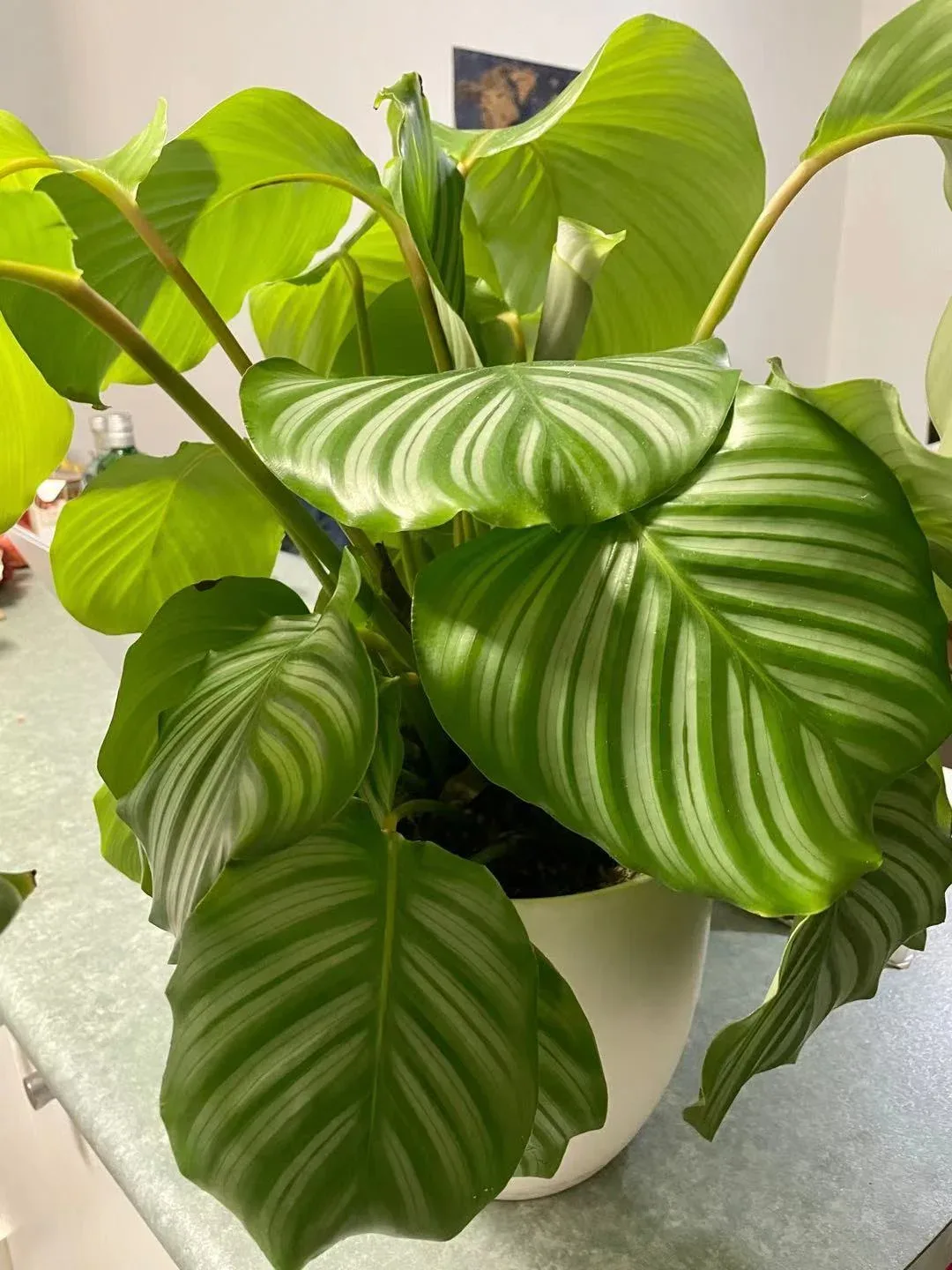
Triostar is a foliage display for a bright, sheltered room. It suits growers who can check moisture regularly. An exact-species veterinary safety classification was not verified for this page, so its pet-safety badge remains unverified. Discourage chewing. Compare Calathea orbifolia care for another broad-leaved tropical plant with similar humidity needs.
Sources and editorial note
Care and plant identity sources checked on 21 November 2026. The month-by-month advice is adapted for Indian container growing; local weather and indoor conditions take priority over the date.
- NC State Extension: Stromanthe thalia
- Wisconsin Horticulture: Stromanthe Tricolor
- RHS: Stromanthe Triostar cultivation
- Singapore NParks: Triostar identity and synonym
Photo Credit
Photo by Hardyplants via Wikimedia Commons, CC0. Resized and converted for web use; the adapted image is shared under the same licence.
Seasonal rhythm
Seasonal Calendar
| Month | Care Tasks | Seasonal Focus |
|---|---|---|
| Jan | Routine check | Keep above about 15°C and away from cold glass. Check deeper moisture before watering in dim winter rooms. |
| Feb | Routine check | Monitor humidity in heated or AC rooms and inspect folded leaves for mites; wait for growth before feeding. |
| Mar | Repot | Repot or divide only a healthy crowded clump after warm active growth resumes. Keep each division well rooted. |
| Apr | Fertilize | Feed lightly with active leaf growth. Filter stronger sun and check the top 1–2 cm as weather warms. |
| May | Routine check | Move back from hot glass and dry balcony wind. Maintain even moisture and measure room humidity. |
| Jun | Routine check | Adjust for local monsoon onset; reduce extra watering when the mix stays moist and maintain airflow. |
| Jul | Routine check | Keep leaves off wet walls, empty saucers and check the crown for softness. Do not add humidity blindly. |
| Aug | Fertilize | Feed dilute fertiliser if new leaves are developing. Inspect undersides for mites and mealybugs. |
| Sep | Fertilize | Review mineral deposits and new-leaf health. Feed only an actively growing plant with healthy roots. |
| Oct | Routine check | As cooler nights begin in northern areas, keep the plant bright and reduce water only according to drying. |
| Nov | Routine check | Shelter balcony plants before nights cool; position away from cold drafts while retaining filtered daylight. |
| Dec | Routine check | Pause feed when growth slows. Do not divide in cold weather; remove only fully dead leaves. |
Diagnostics
Common Problems & Troubleshooting
Brown edges: check dry air, inconsistent moisture, salt accumulation and hot sun. Curling in daytime: inspect heat and root moisture. Yellowing with wet mix: overwatering or root stress. Night-time leaf folding is normal.
Pests & seasonal watch: Inspect leaf undersides and folded areas for spider mites, aphids and mealybugs. Isolate affected plants. Dry AC air can worsen mite problems; humidity alone does not remove an infestation.
- Brown tips — Leaf tips and edges turn dry, brown and papery.
- Root rot — Roots turn brown and mushy in soil that stays wet.
- Spider mites — Fine webbing and pale speckled leaves, worse in dry heated rooms.
- Overwatering — Soil stays wet, leaves yellow or droop, and the pot feels heavy.
- Curling — Leaves cup, roll or twist instead of lying flat.
Care encyclopedia · 4 guides
Guides & Articles for Stromanthe Triostar Care in India: Watering and Humidity
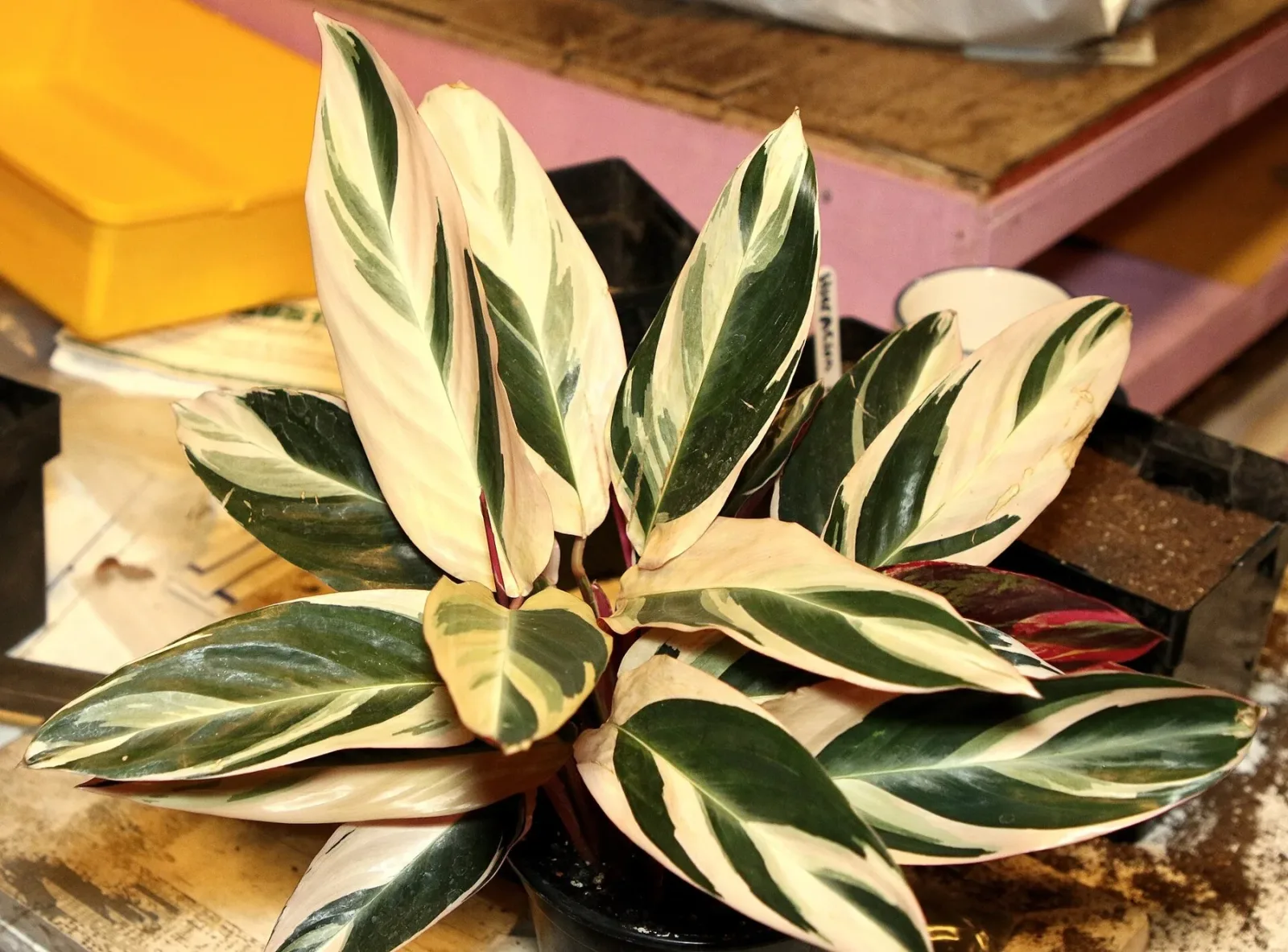
How to Water Stromanthe Triostar Without Soggy Soil
Triostar dislikes both long dry spells and a wet root zone. Learn the small soil check that helps you choose when to water.
Read guide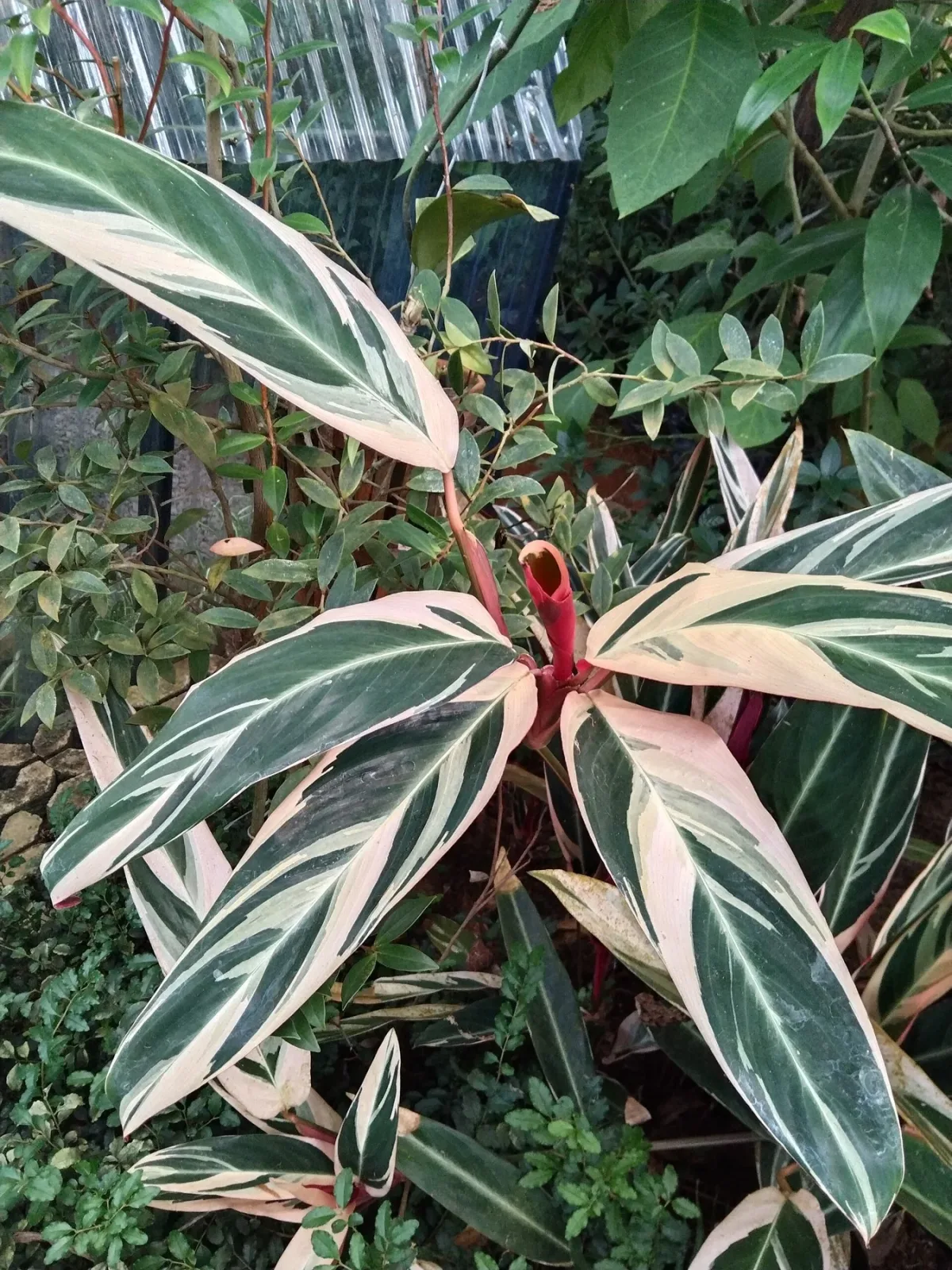
How to Repot and Divide Stromanthe Triostar
Move Triostar only when the roots or mix need it. Keep each division well rooted and avoid turning one small plant into many weak pieces.
Read guide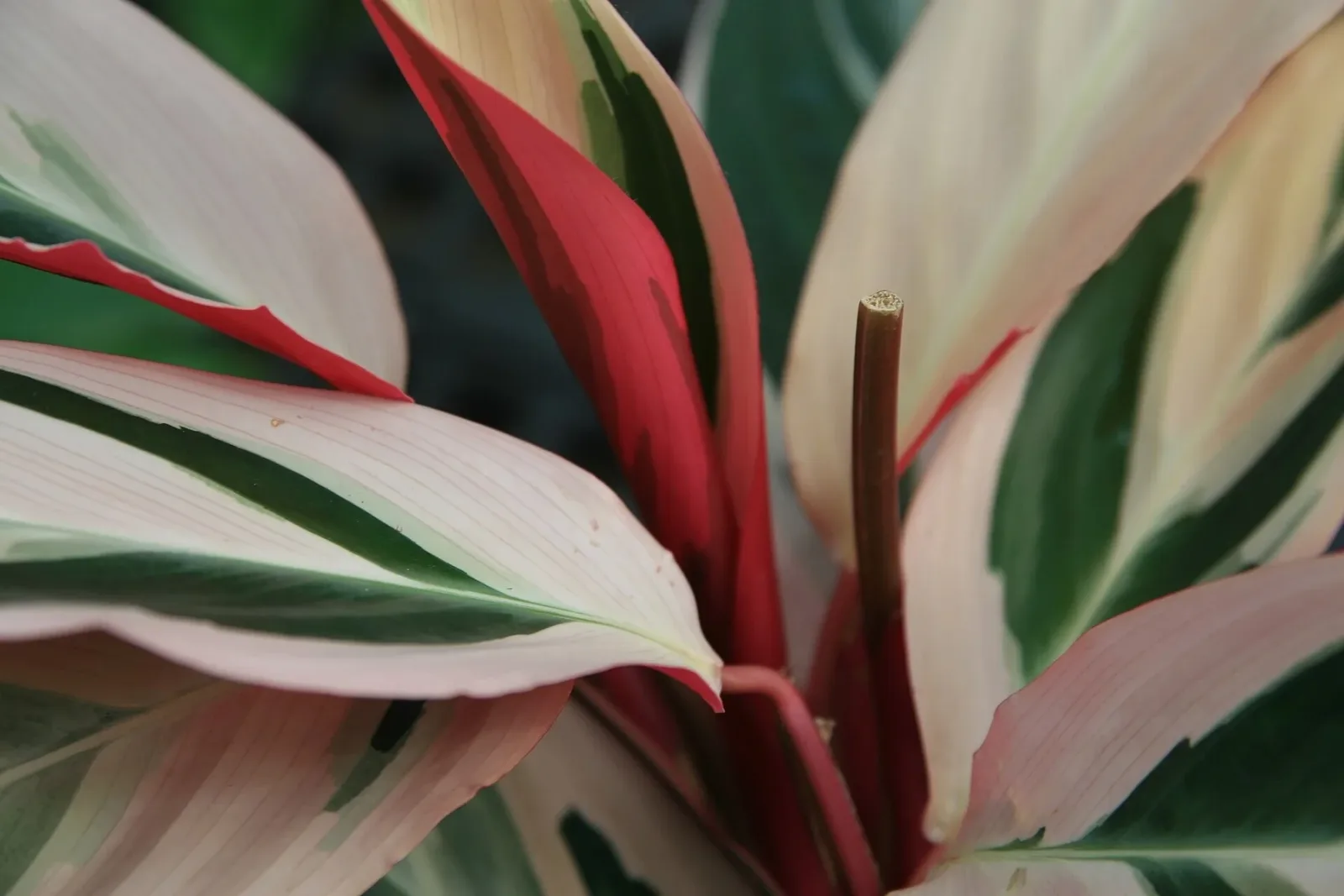
Triostar Leaves Curling or Turning Brown: What to Check
Leaf movement can be normal. Tight daytime curling and crisp edges call for checks of the mix, light, air and pests before you add water.
Read guide
12 Plants for a North-Facing Balcony in India, From Bright Shade to Deep Cover
Look up from the pot. A railing with open sky, a shelf under a chajja and a windy corner suit different plants. Here is what to grow in each spot.
Read guideQ&A
Frequently Asked Questions
How often should I water Stromanthe Triostar?
Water as the top 1–2 cm of mix starts to dry, keeping the deeper root ball lightly moist. Water thoroughly and empty the saucer. Pot size, temperature, light and monsoon humidity change the interval; do not follow a fixed weekly schedule.
Why are my Triostar leaves getting brown edges?
Dry air, uneven watering, mineral build-up and harsh sun can all cause brown edges. Check the mix and humidity before adding water. Try lower-mineral water if deposits are visible. Damaged edges stay brown; healthier new leaves are the better sign of recovery.
Is Stromanthe Triostar the same as Calathea?
No. Stromanthe belongs to the same prayer-plant family but is a different genus. The plant here is Stromanthe thalia ‘Triostar’, also sold as Stromanthe sanguinea ‘Triostar’ or ‘Tricolor’. Related plants have similar care needs, but their identities and safety records should not be interchanged.
Why do its leaves fold up at night?
Leaves naturally change position through the day and often lift at night, revealing the pink undersides. This is normal movement. Tight daytime curling with crispy edges is a different sign: check heat, direct sun, root moisture and dry indoor air.
Does Triostar need a humidifier?
Use a hygrometer first. A humidifier can help when the room is consistently dry, especially with AC or furnace heat. Around 50–70% is a useful growing target with ventilation. In a humid monsoon home, extra humidity may be unnecessary; airflow and drainage matter more.
When should I repot or divide Triostar?
Choose warm active growth, often spring after cold nights pass. Repot only when roots fill the pot or the mix has deteriorated. Divide a healthy clump into pieces with roots and several shoots. Avoid cold-season division and a large jump in pot size.
Is Stromanthe Triostar verified safe for pets?
A species-specific veterinary classification was not verified during this source check, so the care card remains unverified. Do not transfer a safety listing from maranta or calathea based only on family resemblance. Keep it away from pets that chew plants.
Can Triostar stay outdoors during the monsoon?
A roofed, warm, shaded balcony with good drainage may work, but avoid exposed downpours, strong wind and harsh sun. Keep foliage clear of wet walls and inspect the root ball. Move it into shelter when temperatures fall or the mix remains continually wet.
Similar Botanical Matches
Keep exploring
Related plants

Grower field notes
Reader Field Notes in India
Share how this plant performs in your local India climate.