
| ☀️ Light | Bright indirect light |
|---|---|
| 💧 Water | Moderate (lightly moist) |
| 🪴 Soil | Airy epiphyte medium: orchid bark with sphagnum moss |
| 🌡️ Temp | 12°C – 30°C |
| 🐾 Safety | Cats: non-toxic · Dogs: non-toxic |
| 📏 Mature size | 90 cm |
Where It Grows & Climate Tolerance
Pet & Companion Animal Toxicity (Staghorn Fern Care in India: Watering, Mounting and Fronds)
An antler-frond fern for bright, sheltered spaces. Learn to water its root pad, protect the brown shield fronds and grow it in Indian homes.
Care instructions
Care Guide & Maintenance Routine
Light: bright filtered light. Water: soak the root pad when it is approaching dry, then drain. Mix: airy bark and sphagnum. Temperature: aim for 18–28°C; keep above about 12°C. Leave brown shield fronds attached.
Light & Sunlight
Bright indirect or dappled light. An east-facing window or roofed balcony with filtered morning light is useful; shade from hot Indian afternoon sun. Deep shade slows growth.
Watering Schedule
Feel the moss or root pad and lift the mount. Water when the pad is nearly dry but not shrivelled; soak the root zone briefly until evenly hydrated, then drain completely. Check every few days in warm weather and less often in cool conditions. Never leave a basket in water.
Potting Mix & Drainage
Airy epiphyte medium: orchid bark with sphagnum moss
Temperature & Humidity
A practical indoor target is 18–28°C. The 12–30°C care-card limits are management bounds, not a promise of damage-free exposure. Shelter from chilly North Indian nights and hot, dry winds; protect from frost.
Staghorn fern care starts with the root pad: give bright, filtered light, water as the pad approaches dry and allow it to drain. Keep the flat brown shields attached. A fern can look thirsty even in a wet mount if its roots have begun to rot.
Meet the Staghorn Fern
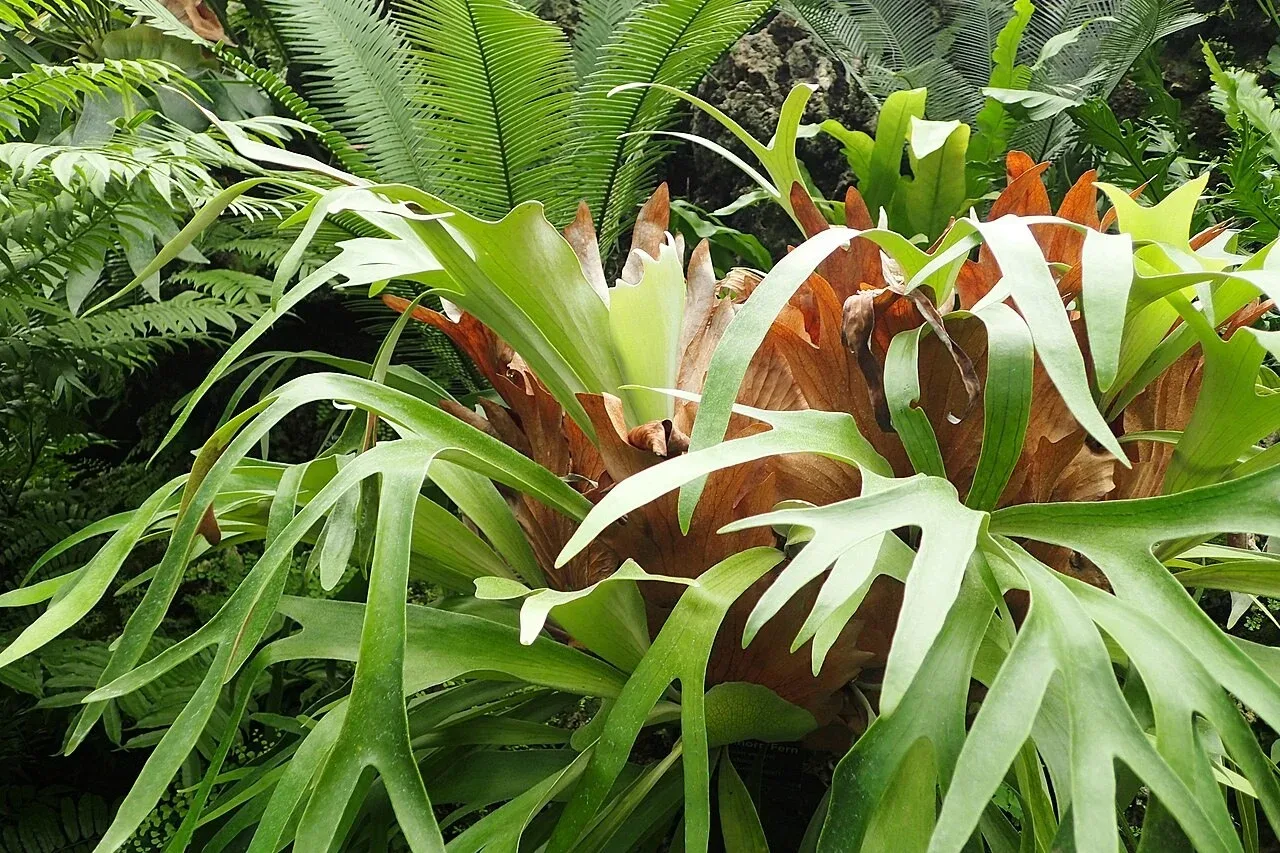
Platycerium bifurcatum has forked, antler-like fronds and rounded shield fronds that hug its support. Young shields are green; older shields become tan and papery. This is normal ageing. Mature plants can occupy about 60–90 cm across, so allow space for the fronds rather than judging the display by pot height alone.
Where to Place It in Indian Homes
Choose a bright east-facing window, a light room behind a sheer curtain or a sheltered balcony with dappled light. A north-facing position works only if the room stays bright. Move it away from west-facing glass in peak summer. Avoid a dark office corner and the blast from an air-conditioner.
A comfortable growing range is roughly 18–28°C. Bring balcony plants into shelter before North Indian winter nights become chilly; keeping the root pad above about 12°C is a conservative home-care rule. In coastal homes, warmth may continue through winter, so watch the plant and medium rather than reducing water automatically.
How Often to Water a Staghorn Fern
Feel the moss at the root zone and note how heavy the mount feels. Check it every few days at first. When the pad is nearly dry and noticeably lighter, soak or thoroughly wet the root area with room-temperature water, then let all excess drain. Do not wait for the whole plant to shrivel.
A small exposed mount can dry much faster than a large basket. Hot wind speeds drying; a humid monsoon room slows it. There is no reliable weekly schedule for every home. Keep a newly watered mount out of decorative containers that trap runoff, and avoid keeping the crown constantly wet.
Mounting, Potting and Feeding
- Use a sound board or basket that can support the plant when wet.
- Place the roots against a modest pad of sphagnum with an airy structure. A potted specimen needs an epiphyte mix containing bark and drainage holes.
- Secure the base without cutting into the growing point or new green shields. Do not pack ordinary garden soil around it.
- During active growth, give a dilute balanced liquid feed about monthly. Follow product directions and avoid feeding a dry or sick root pad.
March–April is a useful remounting window in many Indian homes once temperatures are reliably warm. In South and coastal India, any mild period with active growth can work. Delay optional disturbance during a heatwave, prolonged wet weather or cold winter conditions.
Frond Care and Propagation
Leave the fuzzy coating on living antler fronds; vigorous cleaning damages it. Brown shields and the brown spore-bearing patches beneath mature frond tips are normal features. Cut away only completely dead antler fronds. To propagate, divide a well-rooted pup with some basal material; a detached leaf is not a viable cutting.
Common Problems and Seasonal Adjustments
- Crisp tips: check root-pad dryness and direct sun before adding water.
- Soft blackened base: inspect for root rot; improve drainage and stop repeated soaking while the pad remains wet.
- White cottony clusters or hard bumps: isolate the fern and inspect for mealybugs or scale. Protect delicate fronds during treatment.
In the monsoon, shelter the mount from repeated heavy rain and keep air moving. During dry summer heat, check it more often and shade the foliage. A Canadian heated room needs protection from furnace drafts; in Australia, use the actual local season and shelter from hot dry winds. These are container-care adjustments, not a claim of outdoor hardiness everywhere.
Uses, Pet Safety and Similar Plants
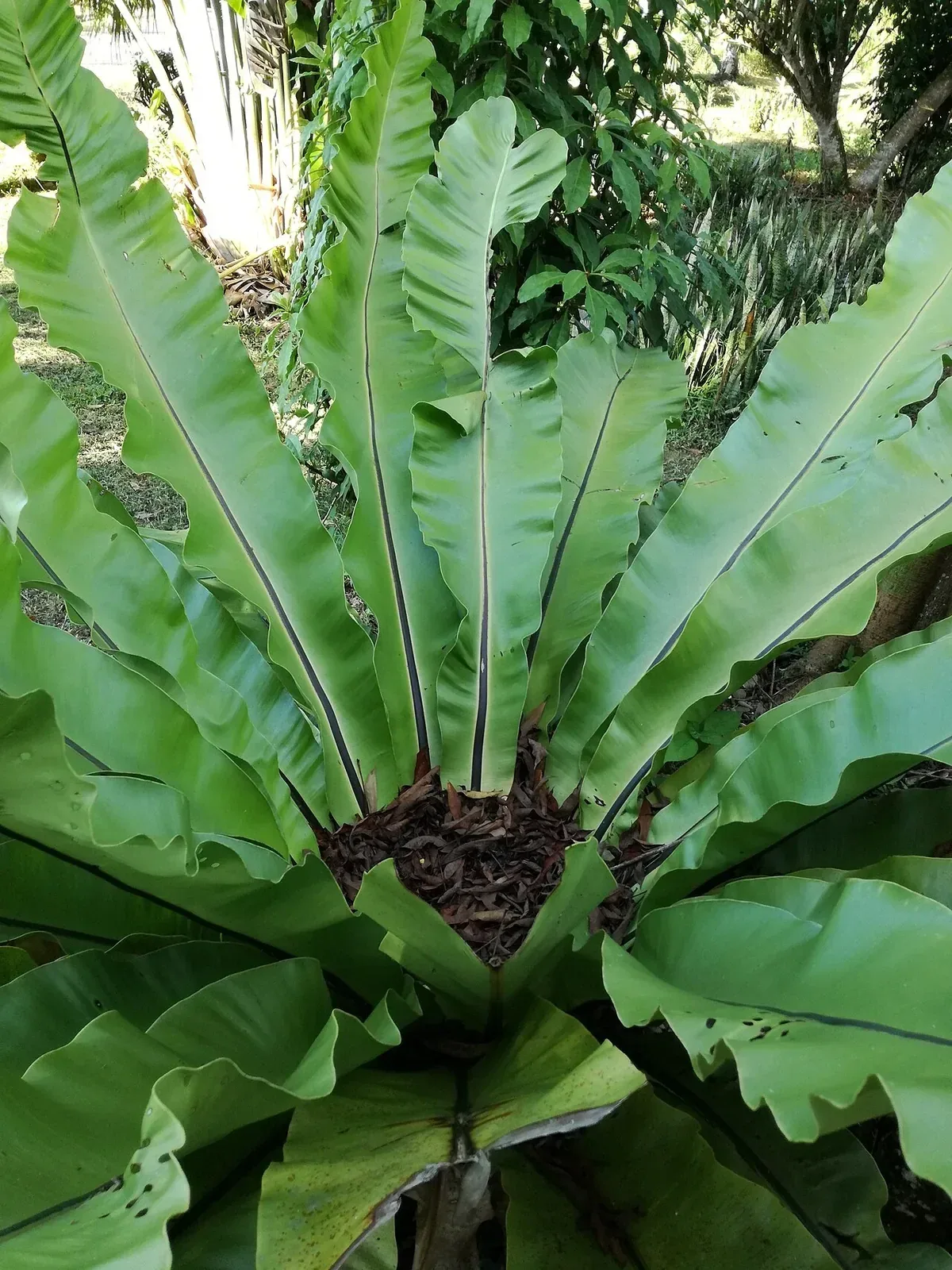
The fern makes a striking hanging display where its support can drain safely. ASPCA lists this exact species as non-toxic to cats and dogs, but chewing can still upset a pet and a heavy hanging mount must be secure. For another foliage shape, compare bird’s nest fern care before choosing the space.
Sources and editorial note
Care and plant identity sources checked on 21 November 2026. The month-by-month advice is adapted for Indian container growing; local weather and indoor conditions take priority over the date.
- NC State Extension: Platycerium bifurcatum
- Wisconsin Horticulture: staghorn fern
- ASPCA: common staghorn fern safety
Photo Credit
Photo by Krzysztof Ziarnek, Kenraiz via Wikimedia Commons, CC BY-SA 4.0. Resized and converted for web use; the adapted image is shared under the same licence.
Seasonal rhythm
Seasonal Calendar
| Month | Care Tasks | Seasonal Focus |
|---|---|---|
| Jan | Routine check | Keep the root pad warm in North India; water only as it approaches dry. Coastal plants may remain active. |
| Feb | Routine check | Check the mount, hanging hardware and new fronds. Avoid dividing while nights remain cold. |
| Mar | Repot | Remount or separate a well-rooted pup only if needed, once stable warmth and new growth return. |
| Apr | Fertilize | Give dilute feed if actively growing; check the moss and mount weight more often as temperatures rise. |
| May | Routine check | Shade from harsh afternoon sun and hot wind. Hydrate the root pad fully whenever it approaches dry. |
| Jun | Routine check | Adjust to local monsoon onset: shelter from driving rain and do not leave moss continually saturated. |
| Jul | Routine check | Inspect the crown and shield edges for softness, scale or mealybugs. Maintain gentle air movement. |
| Aug | Fertilize | Feed lightly only with active growth and healthy roots; wait if prolonged cloud and wetness slow drying. |
| Sep | Fertilize | Check new fronds and mount security. Feed if growth continues; avoid unnecessary division in very wet conditions. |
| Oct | Routine check | Allow slightly longer intervals as growth slows in cooler regions; keep the position bright and filtered. |
| Nov | Routine check | Move exposed North Indian balcony mounts into a bright, protected position before cold nights. |
| Dec | Routine check | Pause feed in cool, low-light homes; preserve brown shield fronds and keep water away from trapped cavities. |
Diagnostics
Common Problems & Troubleshooting
Brown shield fronds are normal. Crisp antler tips can follow a dry root pad, hot sun or dry air. A dark, soft crown and persistent wetness suggest rot. Brown spore patches on mature frond undersides are normal.
Pests & seasonal watch: Inspect shield edges for scale and mealybugs and look underneath antler fronds. Isolate new plants. Avoid aggressive wiping, oil sprays or repeated overhead wetting without checking fern-safe product directions.
- Root rot — Roots turn brown and mushy in soil that stays wet.
- Mealybugs — White cottony clumps in leaf joints, often with sticky honeydew.
- Scale — Hard or soft brown bumps stuck to stems and leaf ribs, often with sticky honeydew.
- Underwatering — Soil is bone dry and leaves are crispy, curled or dull.
- Sun scorch — Bleached or crispy patches on the side that faces strong sun.
Care encyclopedia · 4 guides
Guides & Articles for Staghorn Fern Care in India: Watering, Mounting and Fronds
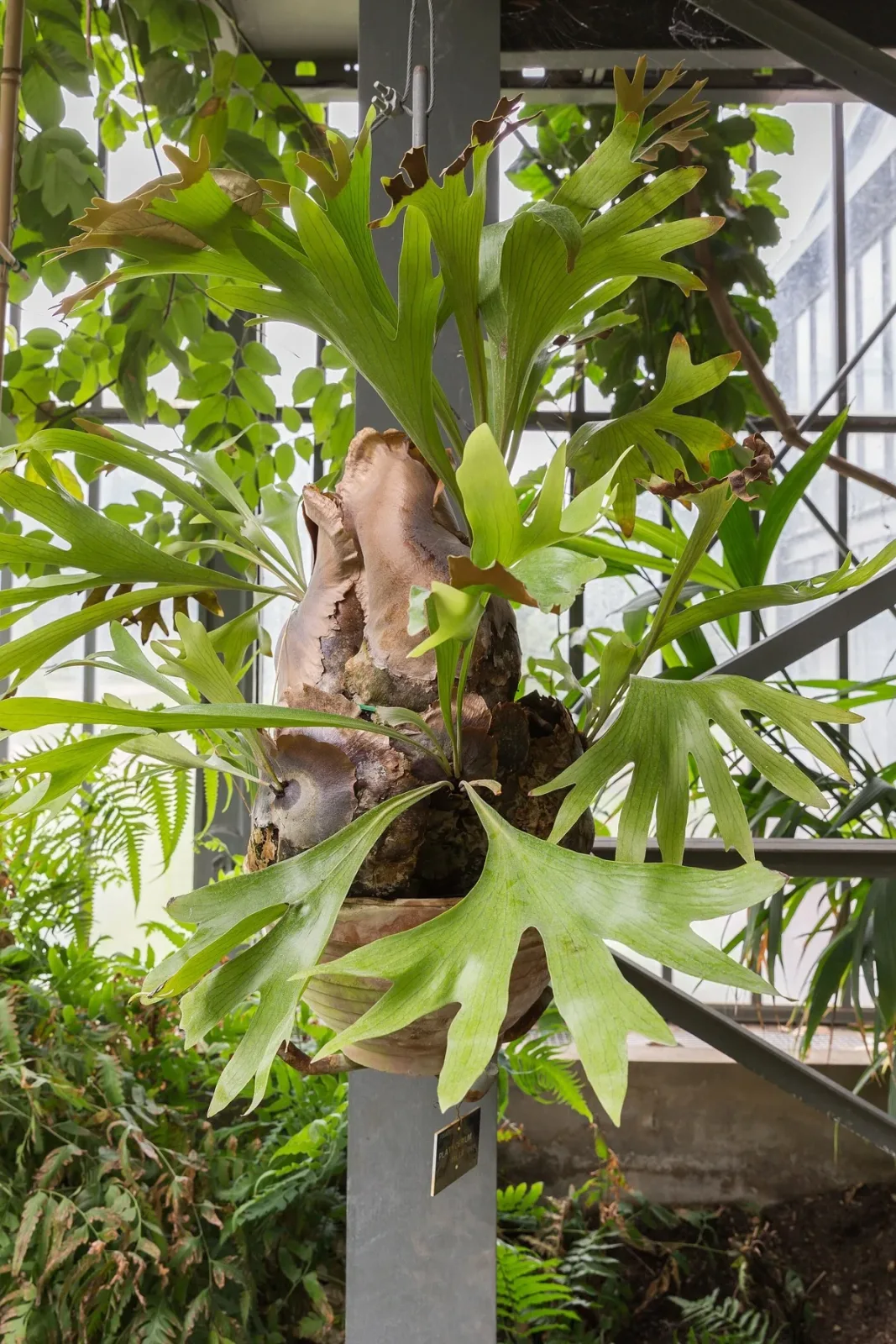
How to Water a Staghorn Fern Without Keeping It Too Wet
Feel the root pad before you soak it. This guide explains the drying check, a safe soak and the signs that call for a closer look.
Read guide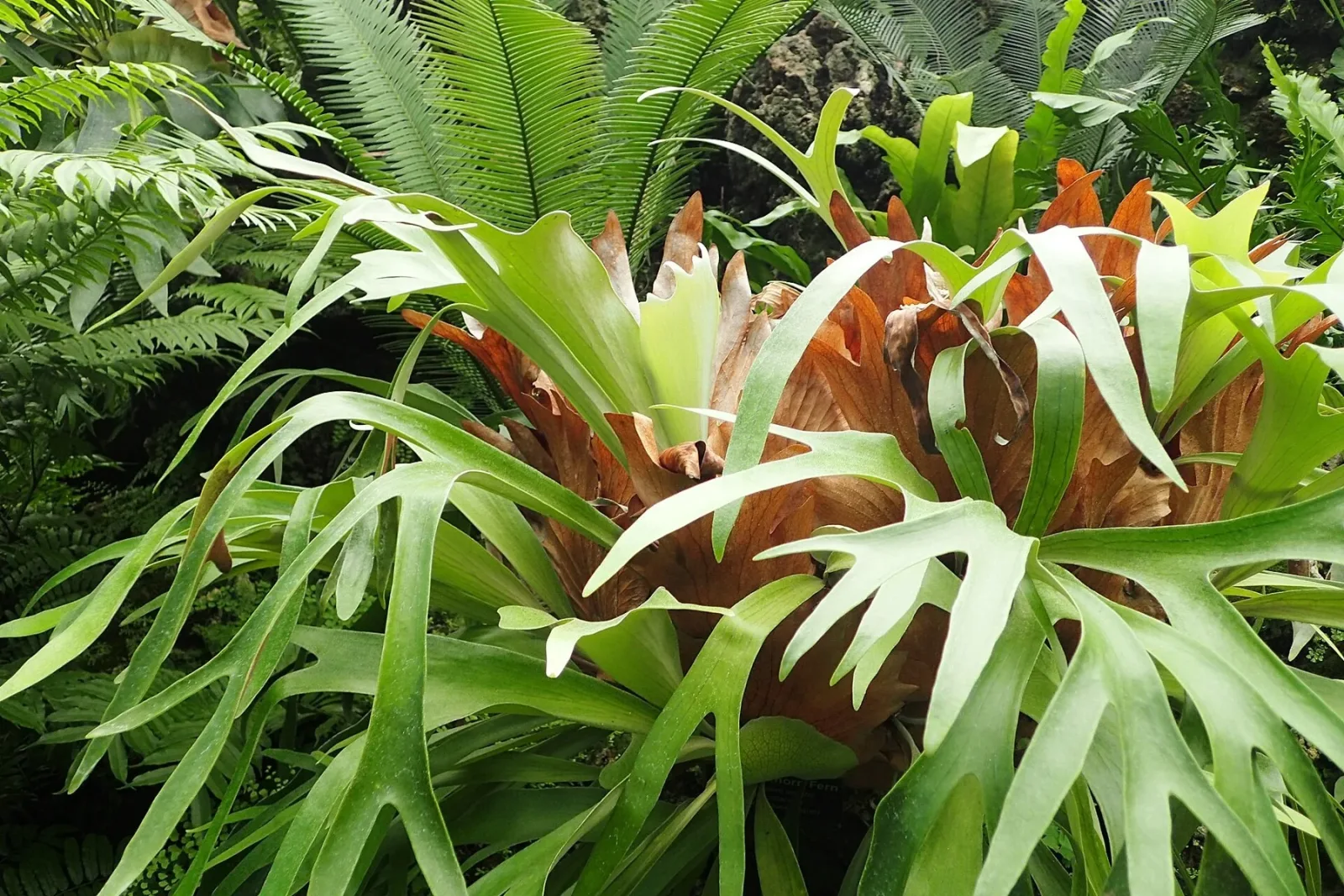
How to Mount a Staghorn Fern on a Board
A board gives this fern room to drain. Follow a careful mounting method that keeps the roots held firmly and the growing point free.
Read guide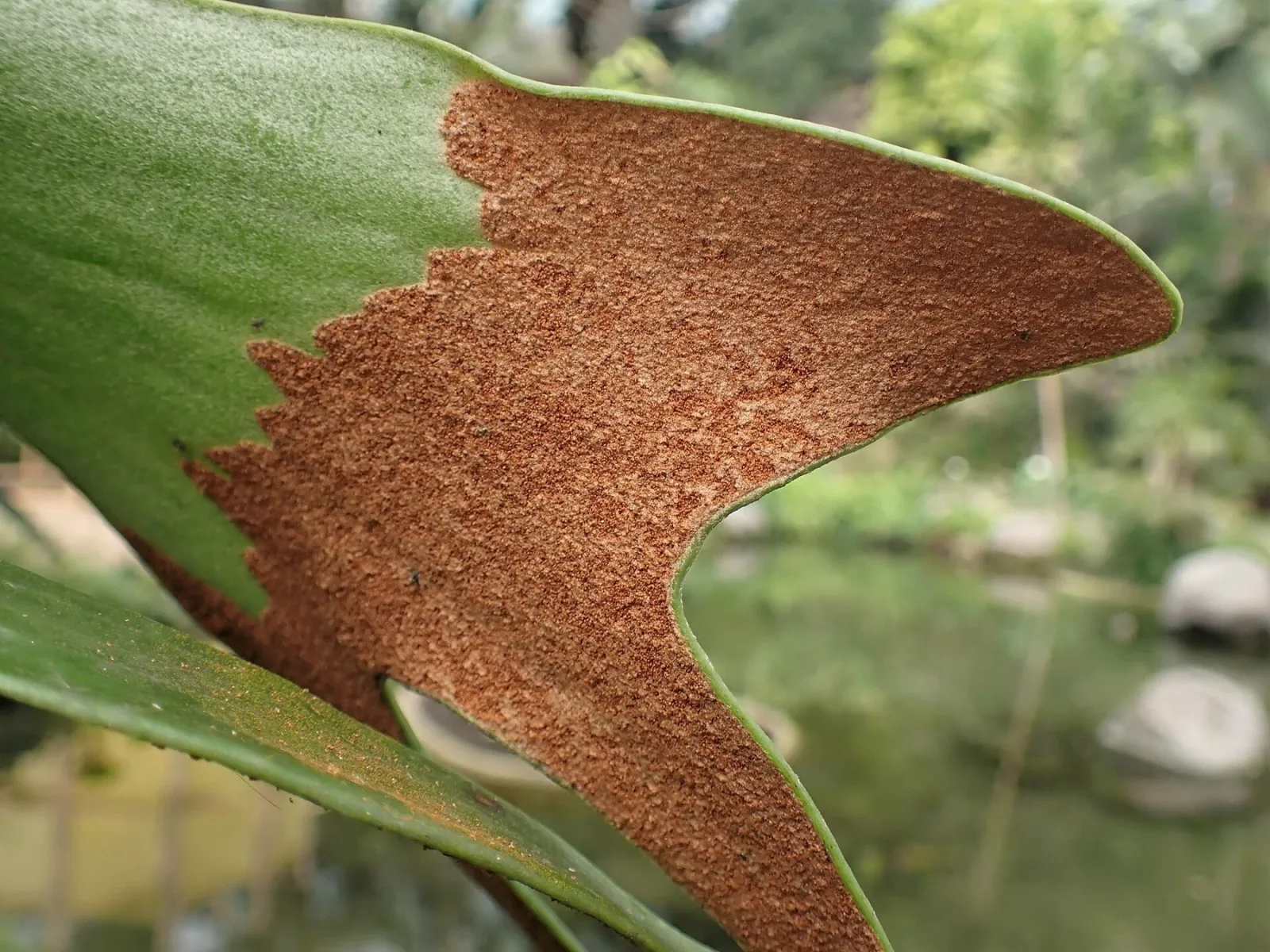
Staghorn Fern Turning Brown: What to Leave and What to Check
Find out which part is brown before changing care. Old shields, spore patches and a soft dark base need very different responses.
Read guide
12 Plants for a North-Facing Balcony in India, From Bright Shade to Deep Cover
Look up from the pot. A railing with open sky, a shelf under a chajja and a windy corner suit different plants. Here is what to grow in each spot.
Read guideQ&A
Frequently Asked Questions
How often should I water a staghorn fern?
Check the root pad every few days initially. Water when it is nearly dry and the mount feels lighter, then drain completely. Small mounts dry sooner than large baskets. Heat, wind, humidity and indoor light matter more than a fixed day-count.
Why are the flat leaves at the base turning brown?
The shield fronds naturally become brown and papery as they age. Leave them attached because they protect the roots and hold the plant to its support. A soft, black, collapsing crown is a different issue and needs a drainage and root check.
Can a staghorn fern grow in soil?
Use an airy epiphyte mix in a draining pot or basket, or grow it on a mount with a small root pad. Dense garden soil holds too much water around the crown. The growing point should remain exposed rather than deeply buried.
Does it need direct sunlight?
Bright filtered light or dappled shade is the safer starting point. Gentle early sun may work after gradual adjustment, but strong Indian afternoon sun can scorch the fronds. A dim room usually gives slow growth and slower drying.
Is staghorn fern safe for cats and dogs?
ASPCA lists Platycerium bifurcatum as non-toxic to cats and dogs. Discourage chewing and keep fertiliser, mounting line and loose growing medium away from pets. Secure the support so a curious animal cannot pull down a heavy wet plant.
Should I clean the white coating off its leaves?
No. The fine pale coating on the fronds is a natural protective feature, so do not scrub or polish it away. Avoid leaf-shine products. If dust becomes heavy, use a gentle rinse and let the plant dry with good airflow.
When can I divide or remount it in India?
Choose warm active growth, often March–April after chilly nights pass. Mild conditions in South or coastal India offer a wider window. Divide only a substantial pup with roots and basal material. Avoid optional disturbance in heatwaves or cold winter weather.
Can it stay on a balcony during the monsoon?
A roofed, well-ventilated balcony can work if the fern receives filtered light and the mount drains. Protect it from repeated heavy rain and strong wind. If the root pad stays wet for days, shelter it further and reduce additional watering.
Similar Botanical Matches
Keep exploring
Related plants

Grower field notes
Reader Field Notes in India
Share how this plant performs in your local India climate.