
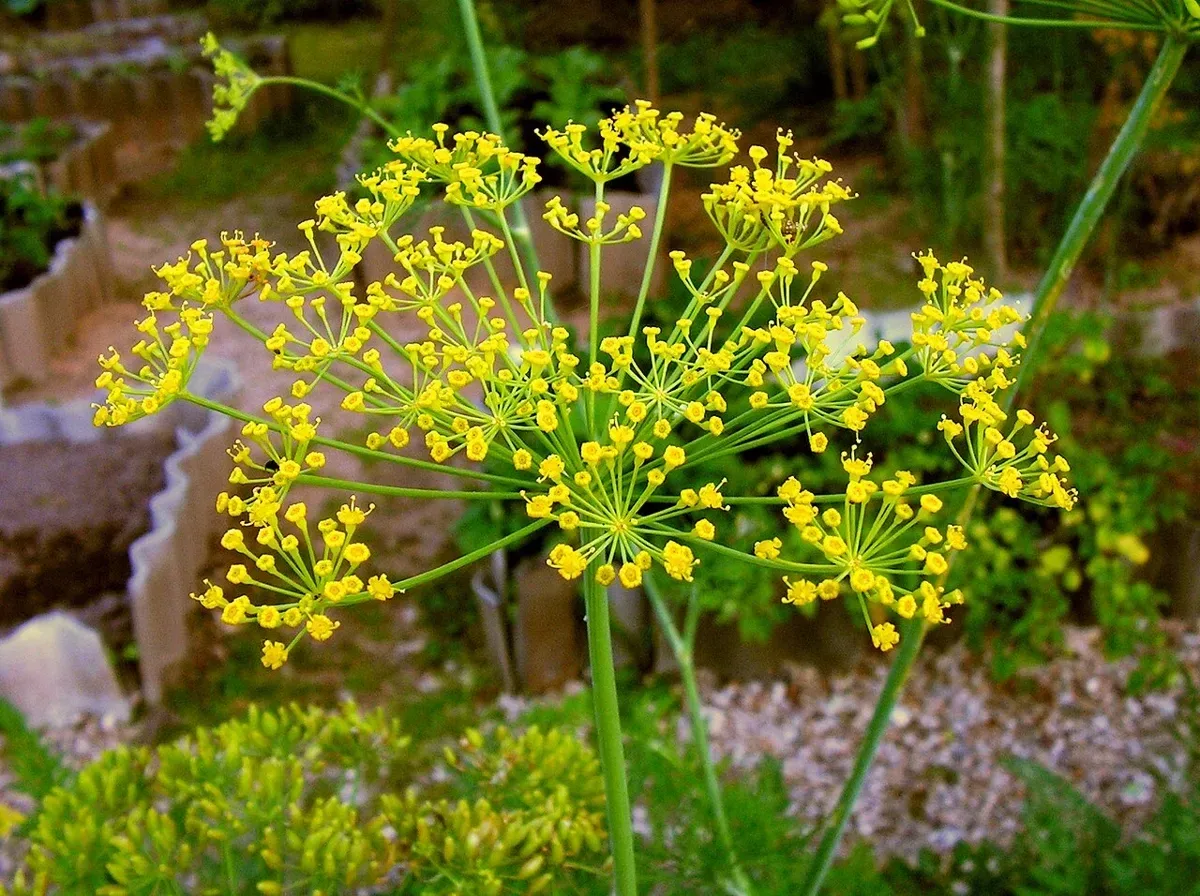
| ☀️ Light | Full sun |
|---|---|
| 💧 Water | Moderate (lightly moist) |
| 🪴 Soil | Average to fertile, well-drained soil, slightly acidic to neutral |
| 🌡️ Temp | -2°C – 30°C |
| 🐾 Safety | Cats: non-toxic · Dogs: non-toxic |
| 📏 Mature size | 90 cm |
Where It Grows & Climate Tolerance
Pet & Companion Animal Toxicity (How to Grow Dill (Suva, Shepu) in India)
In India dill is a Rabi herb, sown after the rains for winter leaves and spring seed. Spices Board India notes that Indian dill, a separate bolder-seeded type native to northern India, is grown as a cold weather crop in many parts of the country.
Care instructions
Care Guide & Maintenance Routine
Sow in October and November on the plains and Deccan; DASD notes sowings from 15 to 30 October give the best seed yield. Thin three weeks after sowing. Water at the start and at flowering and seed set. Cut leaves through winter and collect seed in February and March.
Light & Sunlight
NC State Extension and Wisconsin Horticulture both say dill does best in full sun. Plants with extra shade grow lanky and flop over, according to NC State.
Watering Schedule
NC State notes consistent watering is best and helps prevent bolting, but too much water makes plants lanky and floppy. Water when the top few centimetres of soil are dry.
Potting Mix & Drainage
Average to fertile, well-drained soil, slightly acidic to neutral
Temperature & Humidity
Plains winter suits dill. Light frost in Punjab and Rajasthan in January is tolerated by established plants. Heat from March on the plains triggers flowering. Hills: sow after hard frosts.
Suva and shepu in Indian kitchens
Dill is a winter staple in many Indian homes: shepu bhaji in Maharashtra, suva in Gujarati dals and muthiya, soya-methi in Punjab and Uttar Pradesh. Spices Board India lists its names as sowa in Hindi, Punjabi and Bengali, surva or shepu in Marathi, surva in Gujarati and sathakuppa in Malayalam, among others.
Indian dill and European dill
Spices Board India describes two crops. European dill (Anethum graveolens) is the herb grown worldwide. Indian dill, which it lists as Anethum sowa and calls a native of northern India, has bolder seeds and is grown as a cold weather crop in many parts of India. Both are used for leaves and seed. DASD lists AD-1 and AD-2 as improved varieties; ICAR's National Research Centre on Seed Spices at Ajmer released them.
Sowing time by region
- Rajasthan, Gujarat, Madhya Pradesh: the seed-spice belt. DASD notes sowing between 15 and 30 October gives the best seed yield and oil content, and that sowing after 30 October lowers both.
- Punjab, Haryana, Delhi, UP: sow in October once the monsoon withdraws (IMD normal date for Delhi is 25 September). Cut leaves from December.
- Maharashtra and Karnataka: Pune and Nashik gardeners sow shepu from October to January; Bengaluru's mild climate allows sowing almost all year except in heavy rain.
- Kolkata, Chennai, Mumbai: November to January sowings for leaves; plants bolt quickly as humidity and heat rise.
- Himachal, Uttarakhand, Kashmir: sow from March to May for summer leaves.
Spacing and thinning
DASD advises sowing 1.5 to 2 cm deep in rows 30 to 45 cm apart for Indian dill and 60 cm for European dill, with about 20 cm between plants. Seed germinates in 8 to 10 days, and thinning is done about three weeks after sowing.
Watering through Rabi
DASD says three to four irrigations are enough for a field crop, with moisture most important at flower initiation and seed development. On a terrace, check grow bags every few days; dry winter winds in Jaipur and Ahmedabad dry them faster than you expect.
Pests and disease
DASD notes dill has few serious pests, probably because of its strong smell, but can suffer from powdery mildew, aphids and leaf-eating caterpillars. Ask the local KVK before spraying.
Leaves for shepu, seed for pickles
For leaves, pull or cut young plants 30 to 40 days after sowing and sow again. For seed, leave a few plants until February or March and cut the umbels as seeds firm up.
Questions from Indian growers
- Can I grow suva in summer? On the plains it bolts within weeks. Grow it from October, or in the hills in summer.
- Is it safe for the dog? ASPCA lists dill as non-toxic to dogs and cats.
Seasonal rhythm
Seasonal Calendar
| Month | Care Tasks | Seasonal Focus |
|---|---|---|
| Jan | Harvest | Plains: cut leaves for shepu and soya-methi. Rajasthan: crop flowering begins. |
| Feb | Harvest, Protect from frost/heat | Watch for aphids on umbels. Keep moisture steady at flowering. |
| Mar | Harvest | Rajasthan and Gujarat: cut seed heads as seeds firm. Hills: sow. |
| Apr | Sow, Harvest | Plains: finish seed harvest; dry in shade. Himachal and Kashmir: sow for summer leaves. |
| May | Harvest | Hills: pick leaves. Plains: too hot. |
| Jun | Protect from frost/heat | Store dried seed in airtight jars. Hills: second sowing. |
| Jul | Protect from frost/heat | Monsoon: no sowing on the plains. |
| Aug | Protect from frost/heat | Plan beds and buy seed for the Rabi season. |
| Sep | Sow | Bengaluru and Pune: first sowings as rains ease. |
| Oct | Sow | Main sowing from 15 to 30 October in Rajasthan, Gujarat and MP (DASD). Delhi and Punjab: sow. |
| Nov | Sow, Harvest | Sow leaf crops every two to three weeks. Thin October sowings. |
| Dec | Sow, Harvest | Cut leaves across the north and Deccan. Chennai and Kolkata: sow. |
Diagnostics
Common Problems & Troubleshooting
Bolting in heat or dry soil; thin, floppy stems in shade or rich soil; seedlings failing after transplanting; aphid clusters on new growth; seed shattering before collection.
Pests & seasonal watch: Aphids on young shoots and umbels in January and February. Powdery mildew in late winter. Leaf-eating caterpillars occasionally (DASD). Ask the local KVK before spraying.
- Yellow leaves — Leaves fade from green to yellow, often starting at the bottom.
- Drooping — Stems and leaves hang limp even though the plant was recently fine.
- Leggy — Long weak stems with big gaps between small leaves, leaning to the window.
- Aphids — Clusters of small soft insects on new tips, often sticky.
- White powder — A white powdery film on leaves, usually in still, humid air with dry soil at the roots.
- Underwatering — Soil is bone dry and leaves are crispy, curled or dull.
Q&A
Frequently Asked Questions
Why is my dill flowering so quickly?
Hot or dry weather makes dill bolt. NC State notes consistent watering helps prevent it, and Wisconsin Horticulture says regular cutting delays flowering. Slow-bolting varieties such as 'Fernleaf' help.
Can I transplant dill?
It is not ideal. NC State notes the long taproot makes dill a poor candidate for transplanting. Sow directly, or move seedlings very young in biodegradable pots.
How do I tell dill from fennel?
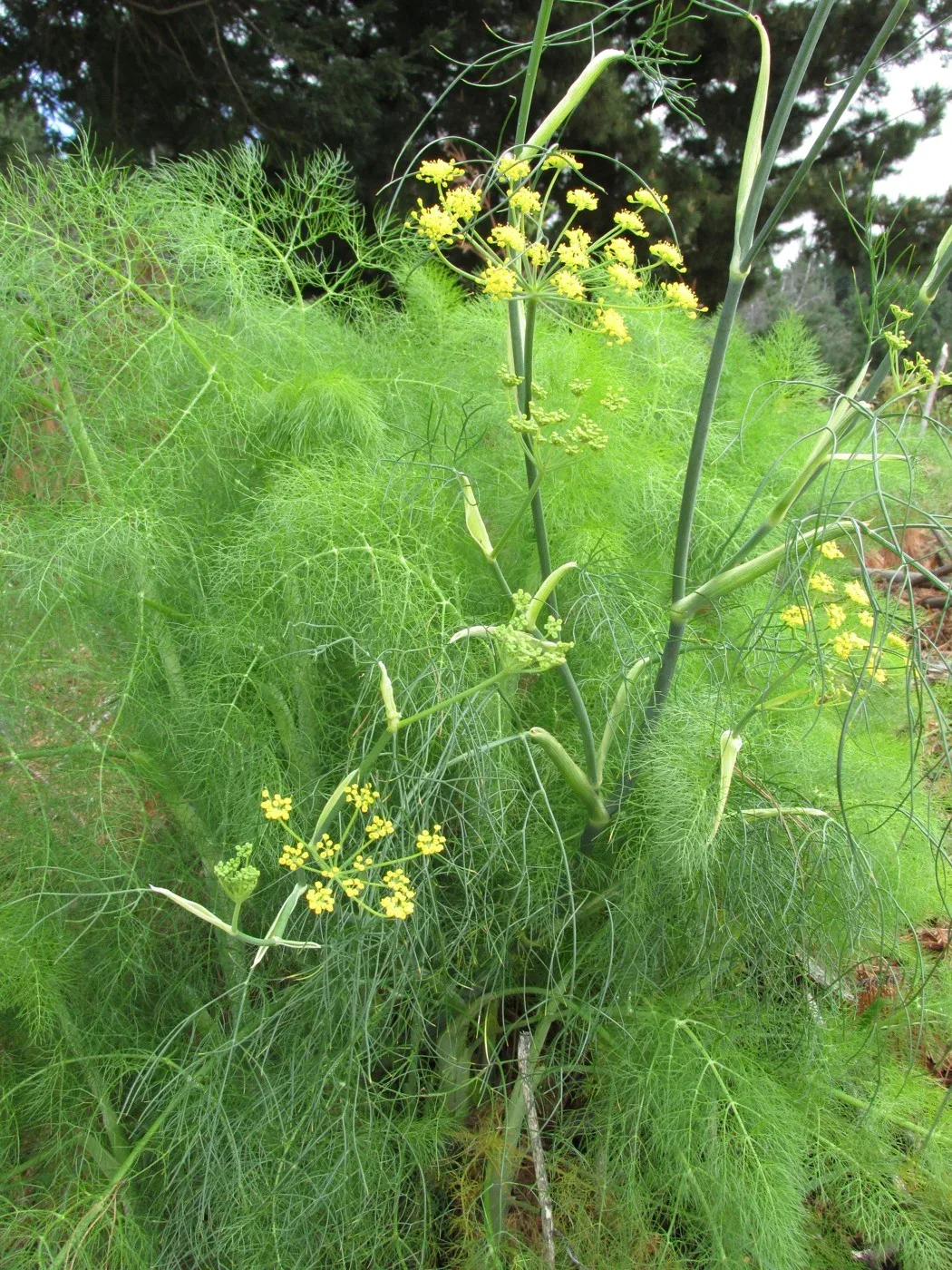
They look alike. NC State notes dill has hollow stems, while fennel stems are not hollow. Fennel also forms a swollen base in bulb varieties and has a stronger aniseed smell.
How do I harvest dill leaves?
Cut leaves any time once plants are a few centimetres tall, as Wisconsin Horticulture suggests, until the seed stalk forms. Cut from the outside and use them fresh.
When do I harvest dill seed?
Wisconsin Horticulture advises cutting the heads when seeds are fully developed but before they turn brown, because ripe seed shatters. Dry them in paper bags for a week.
Is dill a good companion plant?
NC State lists dill as a good companion for cucumber and broccoli, but notes it can reduce carrot yields if planted too close. Its flowers attract hover flies, whose larvae eat aphids.
Can I grow dill indoors?
Yes, on a sunny sill or under an LED grow light. Use a deep pot and a compact variety, and sow little and often.
Is dill safe for pets?
ASPCA lists dill as non-toxic to dogs, cats and horses. It notes skin irritation is possible with prolonged contact.
Why are my dill plants falling over?
Shade, too much water or rich soil make stems lanky, according to NC State. Wind and rain also bend the hollow stems. Stake tall plants or grow dwarf types.
Similar Botanical Matches
Keep exploring
Related plants
Grower field notes
Reader Field Notes in India
Share how this plant performs in your local India climate.