
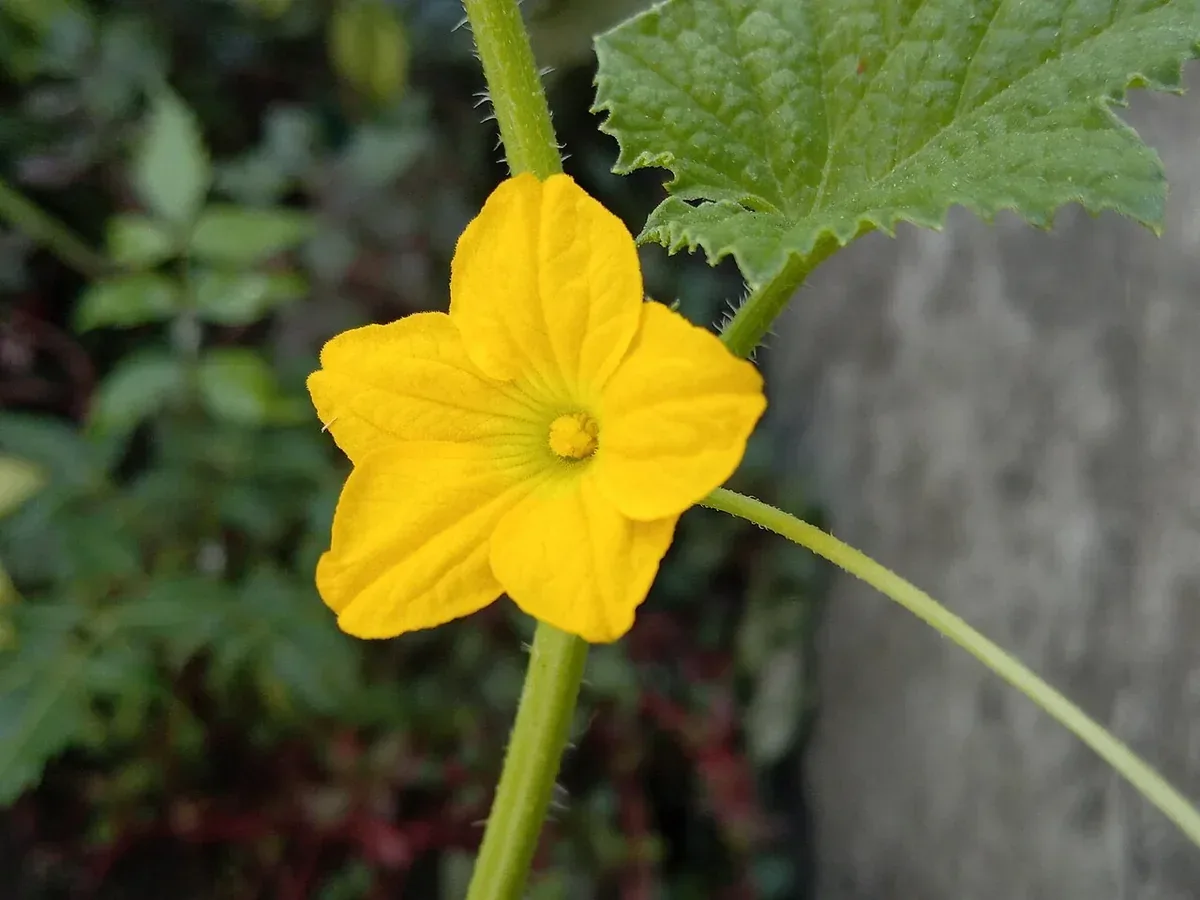
| ☀️ Light | Full sun |
|---|---|
| 💧 Water | High (consistently moist) |
| 🪴 Soil | Rich, moist, well-drained soil high in organic matter; slightly acidic to neutral |
| 🌡️ Temp | 12°C – 35°C |
| 🐾 Safety | Cats: toxic · Dogs: toxic (ASPCA Animal Poison Control) |
| 📏 Mature size | 45 cm |
Where It Grows & Climate Tolerance
Pet & Companion Animal Toxicity (How to Grow Cucumber (Kheera) in India)
Kheera is a zaid and kharif crop for Indian terraces: sown in February and March for summer salads in the North, again with the June rains, and from January to April or in June in Tamil Nadu (TNAU). A trellis and daily water in May do most of the work.
Care instructions
Care Guide & Maintenance Routine
North plains: sow late February to March, and again in June and July. Tamil Nadu: June or January to April (TNAU). Kerala and Konkan: after the heaviest rain or in the dry months, on raised beds. Bamboo or net trellis, mulch, water every morning in heat, paper bags over young fruit.
Light & Sunlight
Full sun is needed for good fruit production. Avoid shaded beds.
Watering Schedule
Keep soil evenly moist, especially during flowering and fruiting; water at soil level and use mulch after warming.
Potting Mix & Drainage
Rich, moist, well-drained soil high in organic matter; slightly acidic to neutral
Temperature & Humidity
Seed needs warm soil (USask: at least 15°C, ideally 18°C). In Punjab, Haryana and UP, wait until January's cold nights are over. Frost kills vines. In May and June, 40°C-plus afternoons in Rajasthan and Delhi reduce fruit set, so give afternoon shade and water daily.
Kheera on Indian terraces and balconies
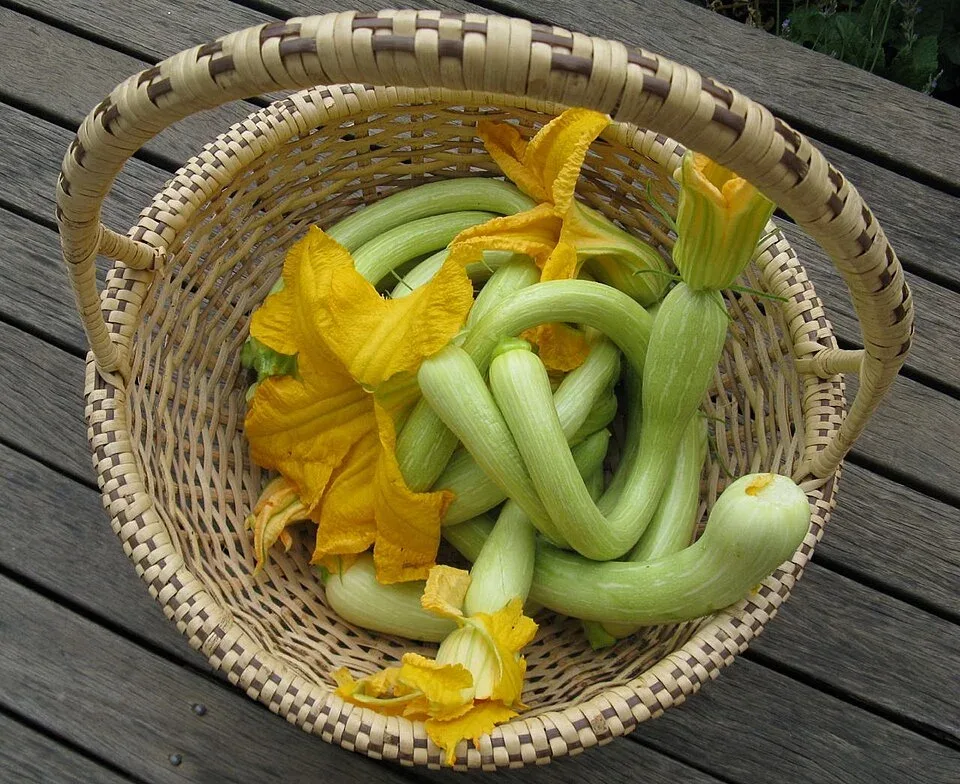
Few vegetables are as rewarding on an Indian terrace as kheera. It is known as kakdi in Marathi, vellarikkai in Tamil, dosakaya in Telugu, shosha in Bengali, southekai in Kannada and vellarikka in Malayalam. In Hindi, though, "kakdi" usually means the long, pale snake cucumber, a separate crop, so check the seed packet before you sow.
Buying seed and seedlings
Agri-input shops in every town and online seed sellers stock open-pollinated and hybrid kheera. TNAU lists 'Japanese Long Green', 'Straight Eight', 'Poinsettee', 'KPCH 2' and 'Pant C 2'. Nurseries sell seedlings in small plastic cups around February and June; pick sturdy ones with two or three true leaves, as overgrown seedlings sulk after transplanting.
Sowing seasons by region
- Delhi, Punjab, Haryana, UP, Bihar: sow in late February and March for a summer crop, and again in June and July with the rains. IMD's normal monsoon onset is about 27 June in Delhi and 16 June in Patna.
- Tamil Nadu: TNAU gives June, or January to April.
- Maharashtra, Gujarat, MP: spring and monsoon sowings both work; shield vines from hot, dry May winds in Ahmedabad and Nagpur.
- Kerala, Konkan and coastal Karnataka: sow after the heaviest rain or in the drier months, on raised beds so roots do not drown.
- Hills: a summer crop after frost; at higher altitudes many growers use polyhouses.
Heat: loo versus coastal humidity
In the North, the loo in May and June dries leaves and stops fruit set. A green shade net over the trellis in the afternoon and a thick mulch of dry leaves or straw over the grow bag help. In Mumbai, Chennai and Kolkata, heat is less of a problem than humidity, which brings mildew; space plants so air moves through the vines.
Monsoon crop
June and July sowings grow fast, but heavy rain splashes soil onto leaves and pots can waterlog. Drill extra holes in grow bags if water pools, keep the bottom leaves trimmed, and pick fruit young. TNAU's field schedule thins to two seedlings per spot 15 days after sowing.
Terrace setup
A 20 litre grow bag with a bamboo or nylon net trellis is the usual Indian terrace setup. Tie the vine to the net with soft cloth strips. See our terrace garden setup and monsoon vegetables guides.
Recognising pests
- Fruit fly: small puncture marks on young fruit, which then yellow and rot from inside. Paper bags over fruit keep them off.
- Red pumpkin beetle: bright orange beetles chewing holes in seedling leaves.
- Whitefly: tiny white insects that fly up when leaves are touched; leaves may show mosaic yellowing.
- Downy mildew: angular yellow patches on the upper leaf in muggy weather.
What Indian growers ask
- Flowers but no fruit? Male flowers open first; female ones, with a tiny cucumber behind the petals, follow. Our gourd flowers but no fruit guide explains hand pollination.
- Bitter fruit? Usually heat or uneven watering.
- Can the dog eat it? ASPCA lists cucumber as non-toxic.
Seasonal rhythm
Seasonal Calendar
| Month | Care Tasks | Seasonal Focus |
|---|---|---|
| Jan | Sow | Madurai, Coimbatore, Salem: sowing window opens (TNAU: January to April). Punjab and Haryana: soil too cold, wait. Konkan: dry-season beds. |
| Feb | Sow, Plant out | After Basant Panchami, sow in grow bags across the northern plains as nights warm. Bengaluru, Chennai: sow and rig bamboo trellises. |
| Mar | Sow | Main zaid sowing in UP, Bihar, Delhi. Tamil Nadu vines in flower. Himachal: start seed in covered trays. |
| Apr | Sow, Fertilize | Northern terraces: first yellow flowers; feed and water every morning. Karnataka: picking begins. Hills: sow once frost is gone. |
| May | Harvest, Protect from frost/heat | Loo weeks over Rajasthan and Delhi: green net shade after noon, daily soak, paper bags on baby fruit. |
| Jun | Sow, Harvest | Kharif sowing in the North and in Tamil Nadu (TNAU: June). Last zaid pickings. |
| Jul | Protect from frost/heat | Monsoon seedlings settling in on Delhi terraces; poke grow-bag holes clear. Kerala and Konkan: downpours, wait or use raised beds. |
| Aug | Harvest, Protect from frost/heat | Monsoon vines flowering. Check for downy mildew patches and fruit fly stings. Hill polyhouses: harvest. |
| Sep | Sow, Harvest | Northern kharif crop ready to pick. Kerala, Mangaluru: sow as the heavy rain eases. |
| Oct | Harvest | Last northern harvests around Dussehra; pull out spent vines. South: picking. Hills: season over. |
| Nov | Protect from frost/heat | Cool nights end the season in the North. Chennai's northeast monsoon: no sowing in waterlogged soil. |
| Dec | Repot | Off season in the North and hills. Buy seed, refill grow bags with vermicompost for February. |
Diagnostics
Common Problems & Troubleshooting
Flowers but no fruit early on (male flowers come first); misshapen fruit from poor pollination; bitter fruit from dry soil or overripeness; yellow fruit left too long; white powdery leaves; yellow mottled, distorted leaves from mosaic virus.
Pests & seasonal watch: Fruit flies sting young fruit from April through the monsoon. Red pumpkin beetle chews seedlings in March and April. Aphids and whitefly spread viruses. Downy and powdery mildew in humid July and August.
- Yellow leaves — Leaves fade from green to yellow, often starting at the bottom.
- Drooping — Stems and leaves hang limp even though the plant was recently fine.
- Spider mites — Fine webbing and pale speckled leaves, worse in dry heated rooms.
- Aphids — Clusters of small soft insects on new tips, often sticky.
- Whitefly — Tiny white insects fly up in a cloud when you touch the plant.
- White powder — A white powdery film on leaves, usually in still, humid air with dry soil at the roots.
- Leaf spot — Brown or tan spots with a yellow halo, sometimes with tiny dots in the centre.
- Underwatering — Soil is bone dry and leaves are crispy, curled or dull.
- Curling — Leaves cup, roll or twist instead of lying flat.
- Nutrient shortage — Overall pale growth, or yellowing between veins, on a plant that is otherwise watered well.
Q&A
Frequently Asked Questions
Why does my cucumber have flowers but no fruit?
Male flowers appear first and fall off. USask says female flowers, with a tiny fruit behind them, follow 7 to 10 days later. If females also drop, pollination is the problem.
Why are my cucumbers bitter?
Dry soil and overripe fruit are common causes. USask notes dry soil can make cucumbers bitter, and over-mature fruit gets bitter with thicker skin.
How long do cucumbers take to grow?
USask gives 45 to 65 days to maturity depending on variety.
Can I grow cucumbers in pots?
Yes. NC State gives a minimum of about 4 litres and 20 cm deep, but a 20 litre pot or larger keeps the soil moist longer. Add a trellis.
Why are my cucumbers turning yellow?
Fruit left on the vine too long turns yellow and tough, as NC State notes. Pick young and often.
Are cucumbers safe for dogs and cats?
ASPCA lists cucumber as non-toxic to dogs, cats and horses.
Do cucumbers need a trellis?
Not always, but NC State notes trellising improves airflow, reduces disease and gives straighter fruit.
What are greenhouse or English cucumbers?
USask explains they are hybrids with all-female flowers that set fruit without pollination. They yield poorly outdoors.
When can I plant cucumbers outside?
When nights are warm. The RHS says once temperatures stay above 12°C; USask waits for 18°C day and night, about two weeks after the last frost.
Similar Botanical Matches
Keep exploring
Related plants
Grower field notes
Reader Field Notes in India
Share how this plant performs in your local India climate.