
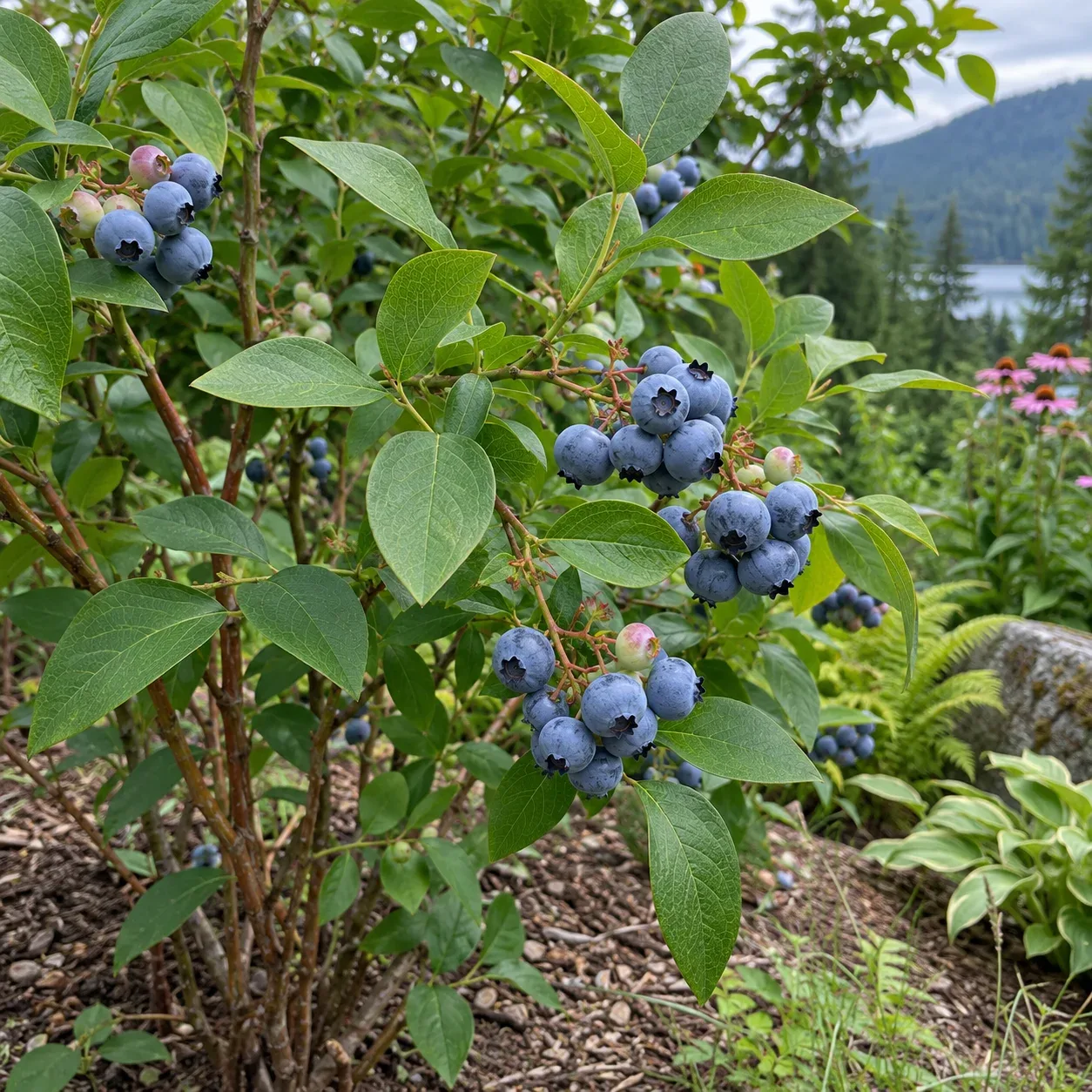
| ☀️ Light | Full sun |
|---|---|
| 💧 Water | Moderate (lightly moist) |
| 🪴 Soil | Acidic, well drained; BC highbush target pH 4.5–5.2. |
| 🐾 Safety | Cats: toxic · Dogs: toxic (ASPCA Animal Poison Control) |
Where It Grows & Climate Tolerance
Pet & Companion Animal Toxicity (Northern Highbush Blueberry)
A Canadian fruit shrub for suitable regions, especially coastal BC. Soil acidity, drainage and cultivar selection determine success.
Care instructions
Care Guide & Maintenance Routine
Full sun; Moderate, consistent; Acidic, well drained; BC highbush target pH 4.5–5.2. Check local climate and variety guidance.
Light & Sunlight
Full sun. Site exposure may vary with local summer heat.
Watering Schedule
Moderate, consistent. Adjust to soil drainage and weather.
Potting Mix & Drainage
Acidic, well drained; BC highbush target pH 4.5–5.2.
Temperature & Humidity
Use local frost dates, climate and cultivar suitability; one national temperature threshold is unreliable.
A Canadian fruit shrub for suitable regions, especially coastal BC. Soil acidity, drainage and cultivar selection determine success.
Growing and care
Plant healthy nursery stock in a sunny, well-drained site after checking soil pH. Roots are shallow: mulch and water steadily, but avoid standing water. Do not use a nationwide fertilizer dose; assess soil, plant growth and local advice. Remove dead or weak canes in dormancy. Choose a cultivar for the local winter; half-high cultivars for colder places are a separate group. Monitor root decline in wet soil and local berry pests.
Canadian seasonal care
Spring—plant where appropriate, check pH, renew mulch. Summer—monitor moisture and harvest ripe fruit. Autumn—check mulch and drainage. Winter—review cultivar hardiness and protect containers.
Research: Source
Seasonal rhythm
Seasonal Calendar
A month-by-month calendar for Northern Highbush Blueberry in Canada is coming soon. See the light, water and temperature notes above.
Diagnostics
Common Problems & Troubleshooting
Poor growth: check light, drainage and moisture. Disease: improve airflow and remove affected material.
Pests & seasonal watch: Inspect regularly and identify the pest or disease before treatment. Follow current local guidance.
Care encyclopedia · 2 guides
Guides & Articles for Northern Highbush Blueberry
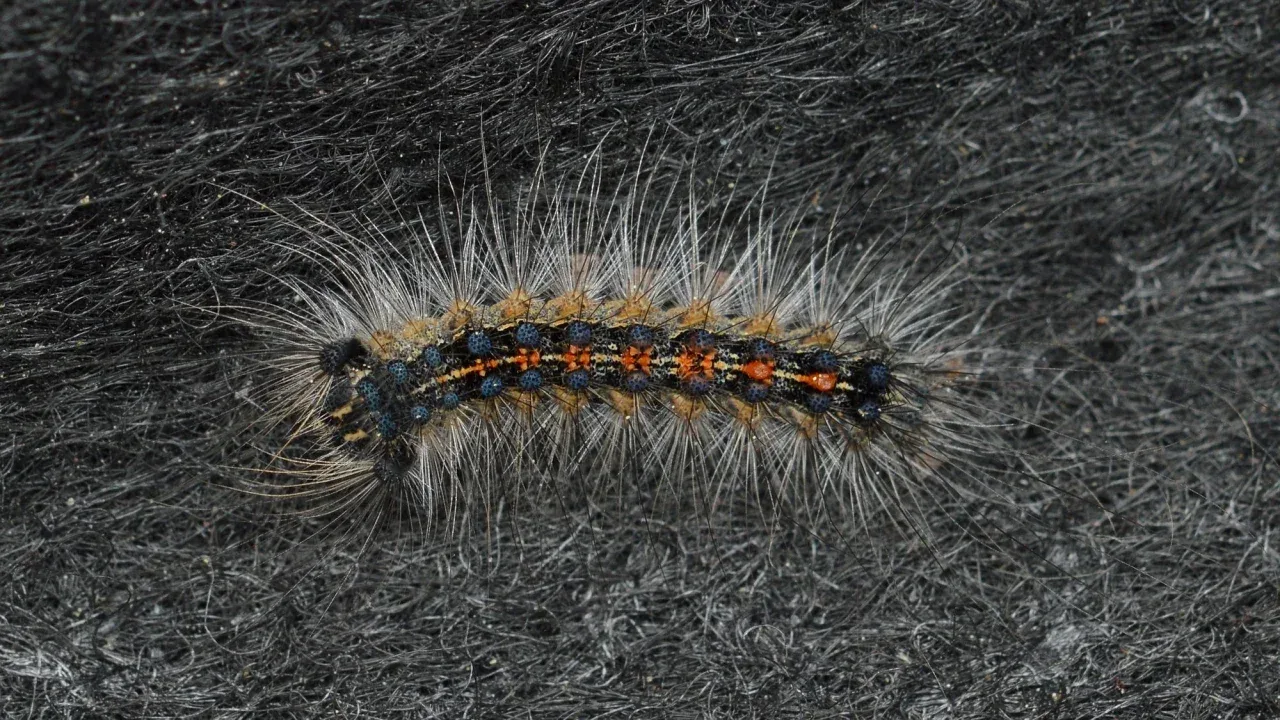
Spongy Moth (Formerly Gypsy Moth) in Canada: How to Identify, Control and Stop Its Spread
Spongy moth, formerly called gypsy moth, is established in Ontario, Quebec and the Maritimes. Learn to identify caterpillars, egg masses and moths, check CFIA's regulated areas and moving rules, and protect your trees with a season-by-season control plan.
Read guide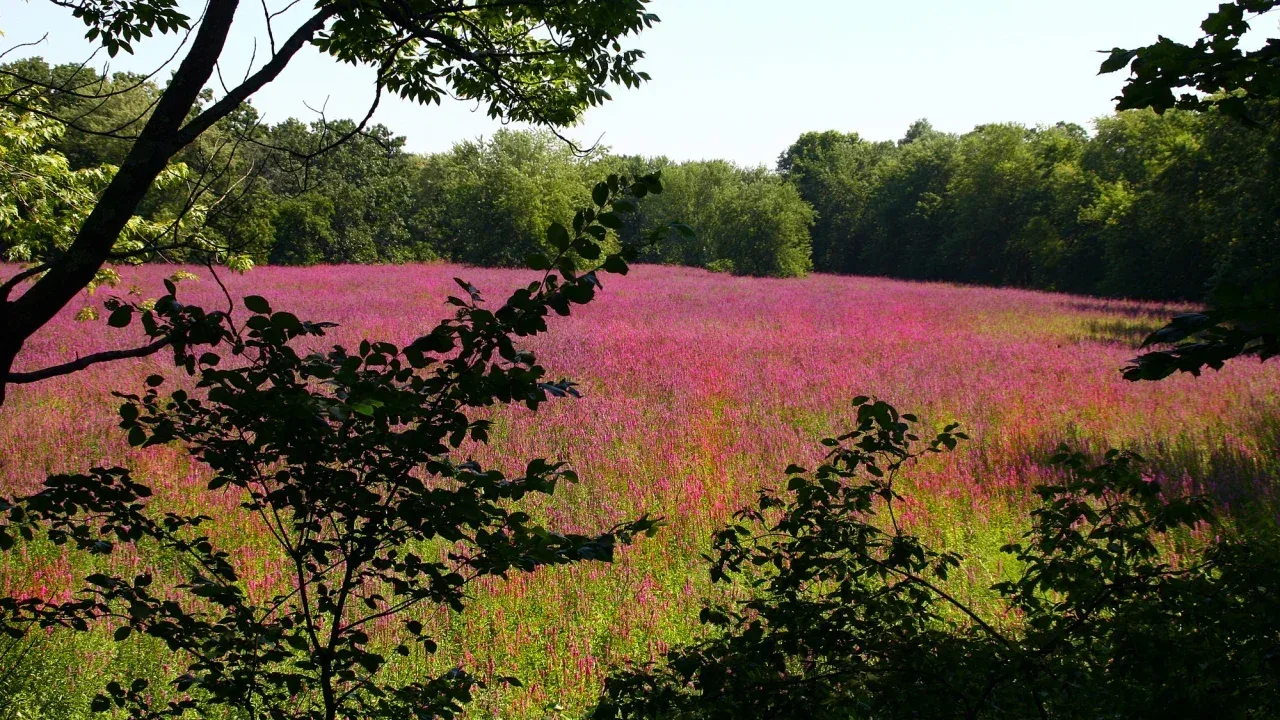
Invasive Plants You Shouldn't Grow in Canada (and Native Alternatives)
The garden plants Canada's invasive species councils want you to avoid, which ones are restricted by law in Ontario and Alberta, how to remove and dispose of them, and native alternatives to plant instead.
Read guideQ&A
Frequently Asked Questions
What soil pH?
BC Agriculture lists 4.5–5.2 for highbush blueberry.
Can it grow in heavy clay?
Poor drainage is a serious problem; assess a raised bed or suitable container.
Are all cultivars equally hardy?
No; match the cultivar to local conditions.
Similar Botanical Matches
Keep exploring
Related plants
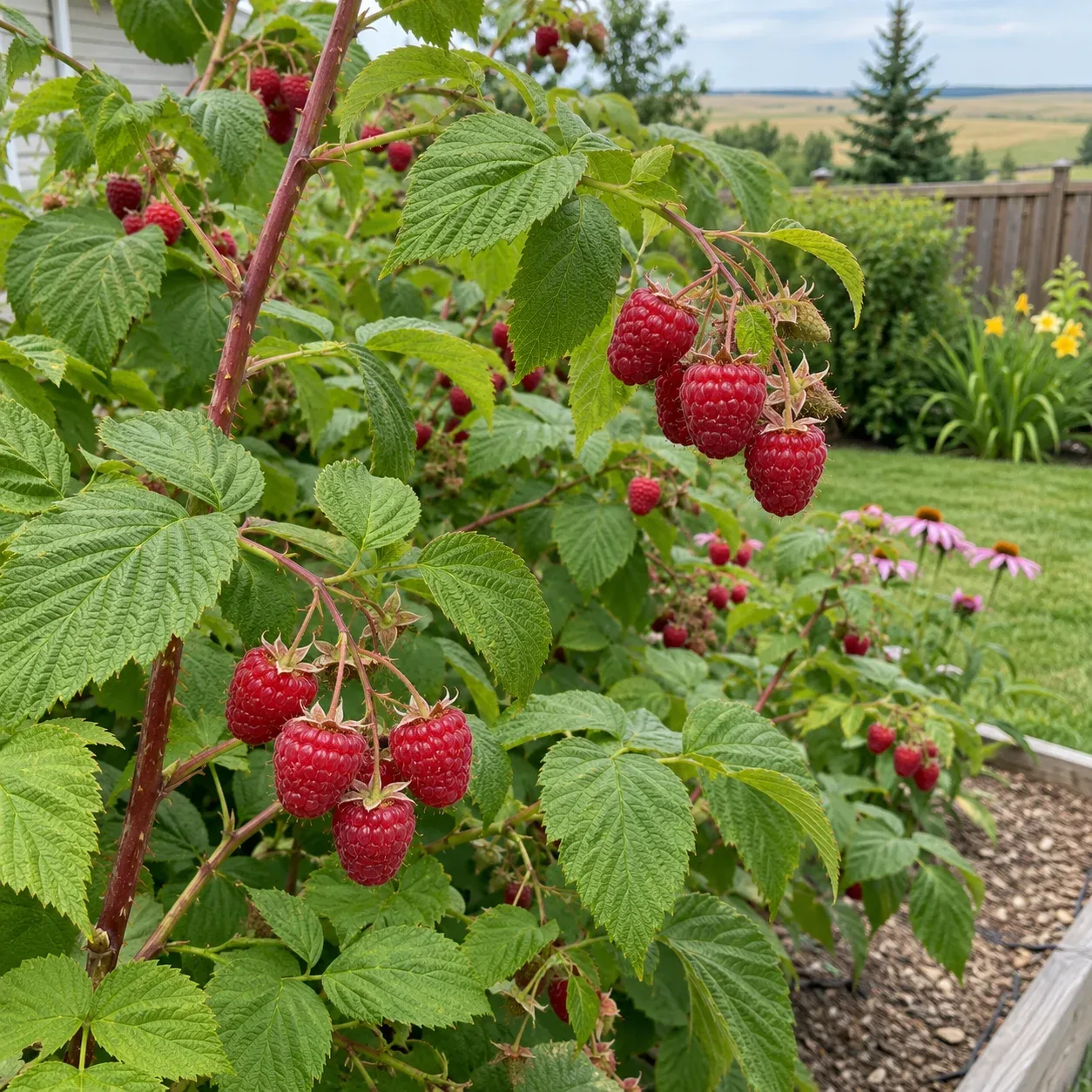
Grower field notes
Reader Field Notes in Canada
Share how this plant performs in your local Canada climate.