
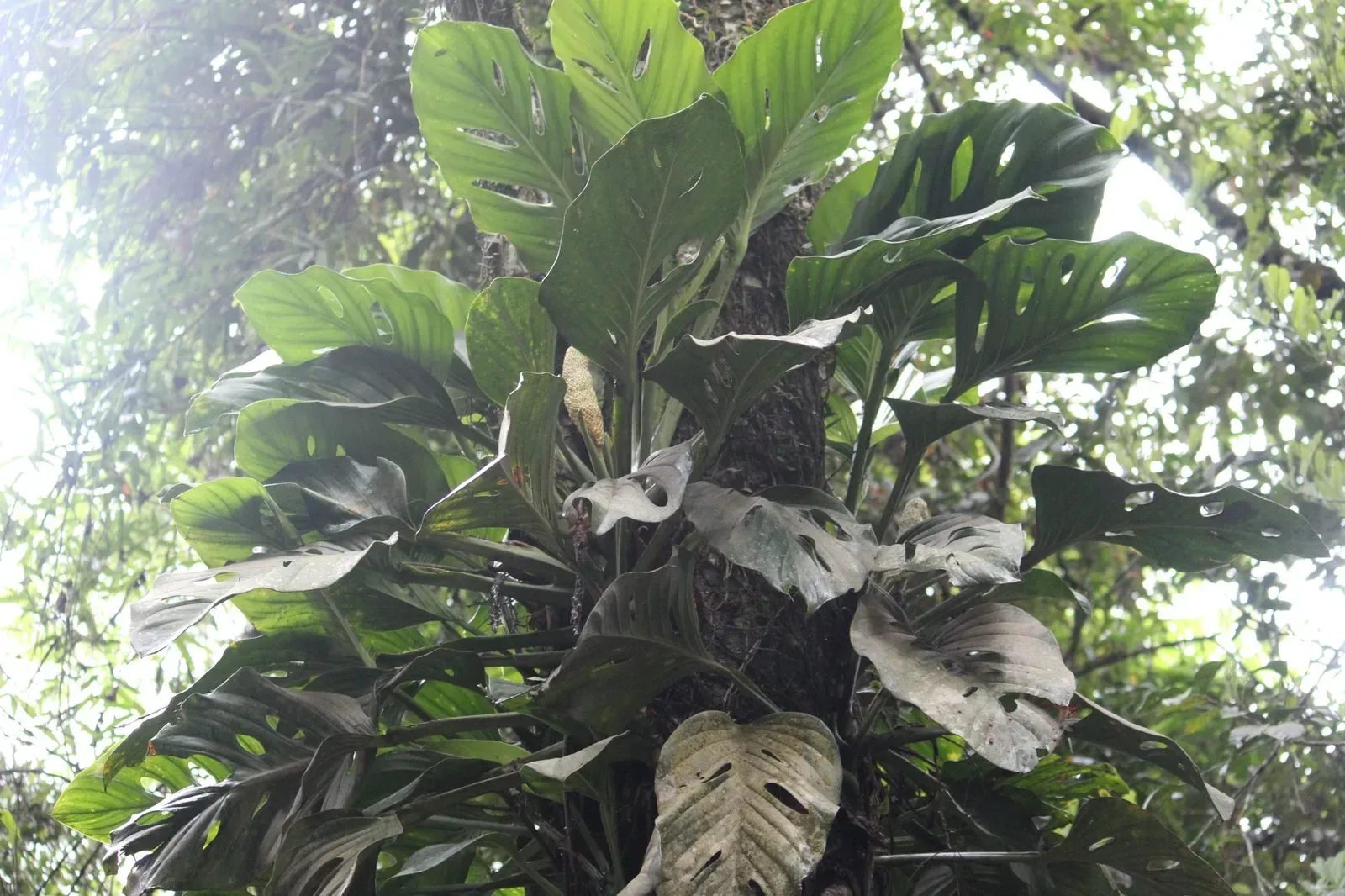
| ☀️ Light | Bright indirect light |
|---|---|
| 💧 Water | Moderate (lightly moist) |
| 🪴 Soil | Chunky aroid mix |
| 🌡️ Temp | 16°C – 28°C |
| 🐾 Safety | Cats: toxic · Dogs: toxic (ASPCA Animal Poison Control) |
| 📏 Mature size | 2.0 m |
Where It Grows & Climate Tolerance
Pet & Companion Animal Toxicity (Monstera Adansonii)
Swiss cheese vine with holey leaves; fast climber for bright Canadian rooms.
Care instructions
Care Guide & Maintenance Routine
Bright indirect light, water when top dry, give a pole or trellis.
Light & Sunlight
Bright indirect for more holes and faster growth.
Watering Schedule
Water when top 2–3 cm dry.
Potting Mix & Drainage
Chunky aroid mix
Temperature & Humidity
Above 15 C.
Monstera adansonii, the Swiss cheese vine, is a fast-growing cousin of the big monstera and fits smaller Canadian spaces.
Bright indirect light gives more holes and fuller growth. Water when the top of a chunky mix is dry. A moss pole or trellis encourages bigger leaves.
Cuttings root in water within weeks — cut just below a node. Higher humidity in winter helps new leaves unfurl without tearing. Keep away from pets.
It can trail from a shelf or climb a pole. Watch for thrips on new leaves. In dim rooms growth slows and leaves stay small, so a bright east or west window is ideal.
Adansonii fits Canadian apartments better than a huge Monstera deliciosa because it climbs or trails without taking half the room. A cheap moss pole or trellis against a bright wall grows larger fenestrated leaves. Cuttings with a node root in water on a kitchen shelf within weeks.
Thrips have been common on aroid shipments — quarantine new plants and check soft new leaves. Bright indirect light makes more holes; dim corners make solid small leaves. Keep away from pets. Humidity helps new leaves open cleanly when the furnace runs. Train early so vines do not tangle into blinds.
Train a few leaders onto a pole and let others trail for a full look. Brown crispy edges in winter point to dry air more than thirst — check the mix before watering more. Node cuttings with an aerial root attached establish fastest. Keep vines off cold glass at night in deep winter.
Seasonal rhythm
Seasonal Calendar
A month-by-month calendar for Monstera Adansonii in Canada is coming soon. See the light, water and temperature notes above.
Diagnostics
Common Problems & Troubleshooting
Small leaves no holes (low light); yellow leaves (overwater); crispy edges (dry air).
Pests & seasonal watch: Thrips and mites.
- Thrips — Silvery streaks and twisted new leaves, sometimes with black specks of frass.
Care encyclopedia · 2 guides
Guides & Articles for Monstera Adansonii
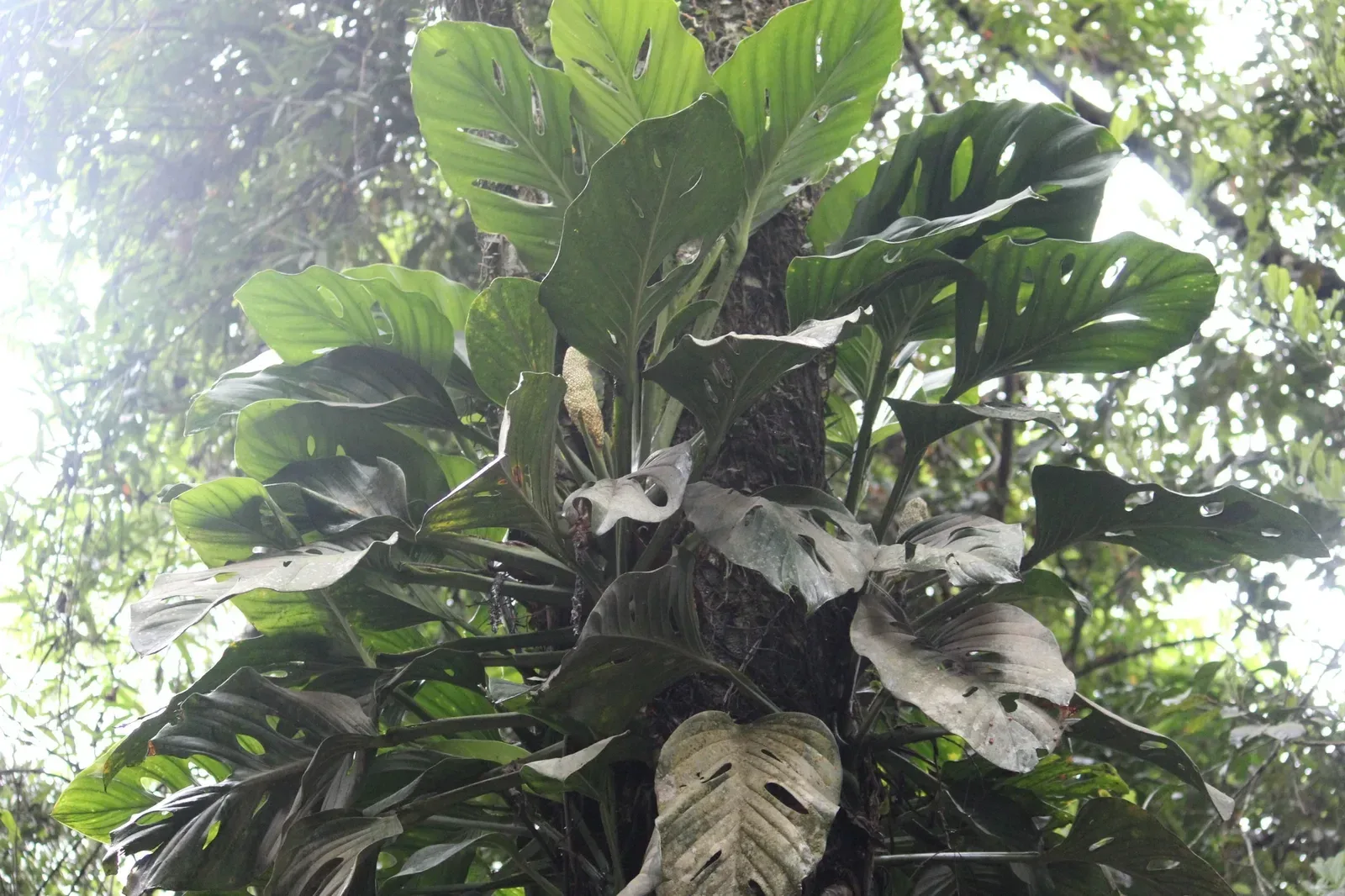
Monstera Adansonii Care Guide for Canada
A practical Canadian guide to monstera adansonii, with seasonal care, common problems, propagation and buying checks.
Read guide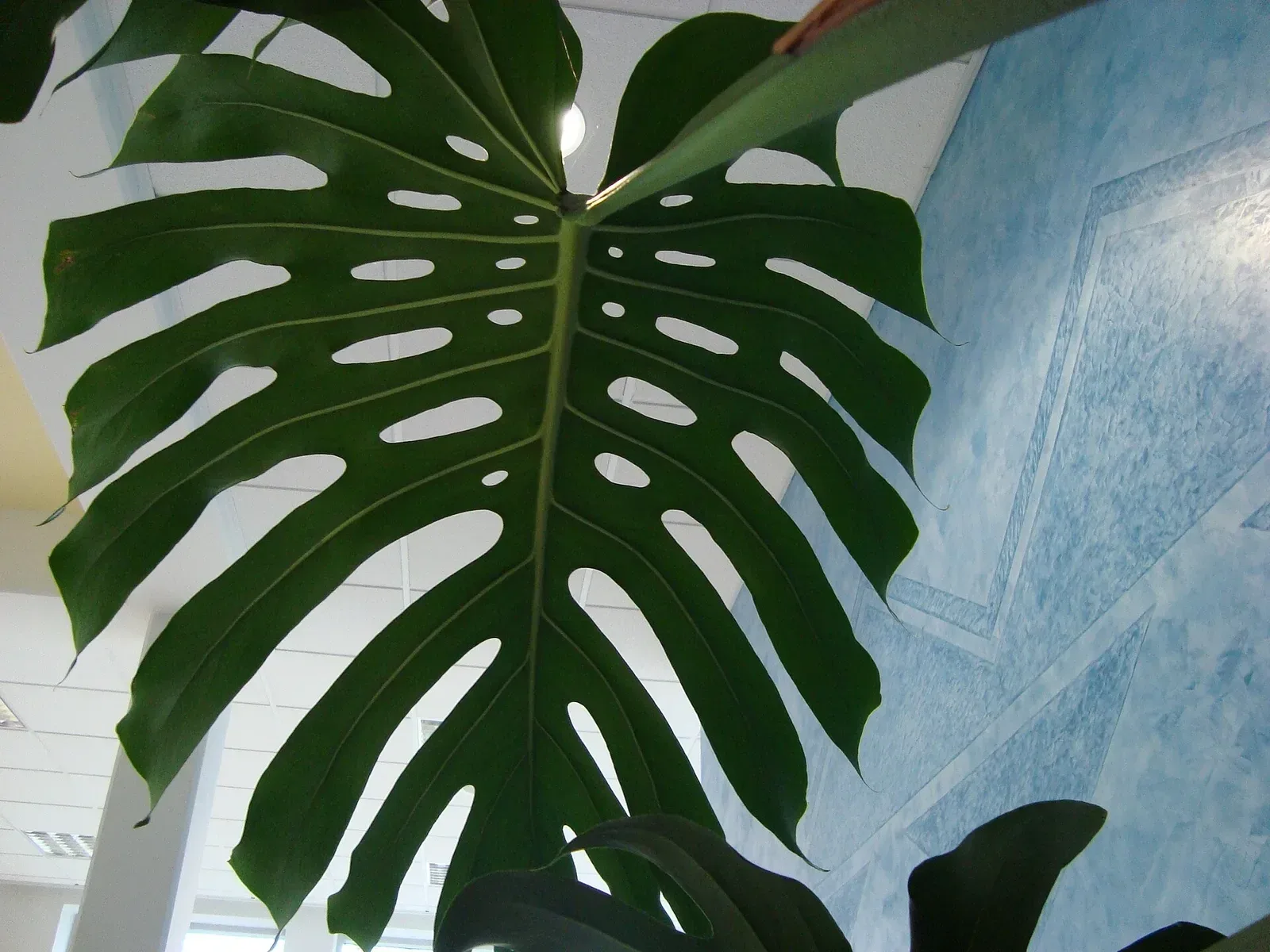
Monstera Yellow Leaves in Winter: A Canadian Home Troubleshooting Guide
Yellow monstera leaves in winter usually come from a big pot staying wet in low light. This guide walks through the checks in order and shows what to change.
Read guideQ&A
Frequently Asked Questions
Why no holes in leaves?
Usually low light or a young plant.
Is it toxic?
Yes — calcium oxalates; keep from pets.
How to propagate?
Cut below a node and root in water.
Does it need a pole?
It climbs better and grows bigger leaves with support.
Similar Botanical Matches
Keep exploring
Related plants
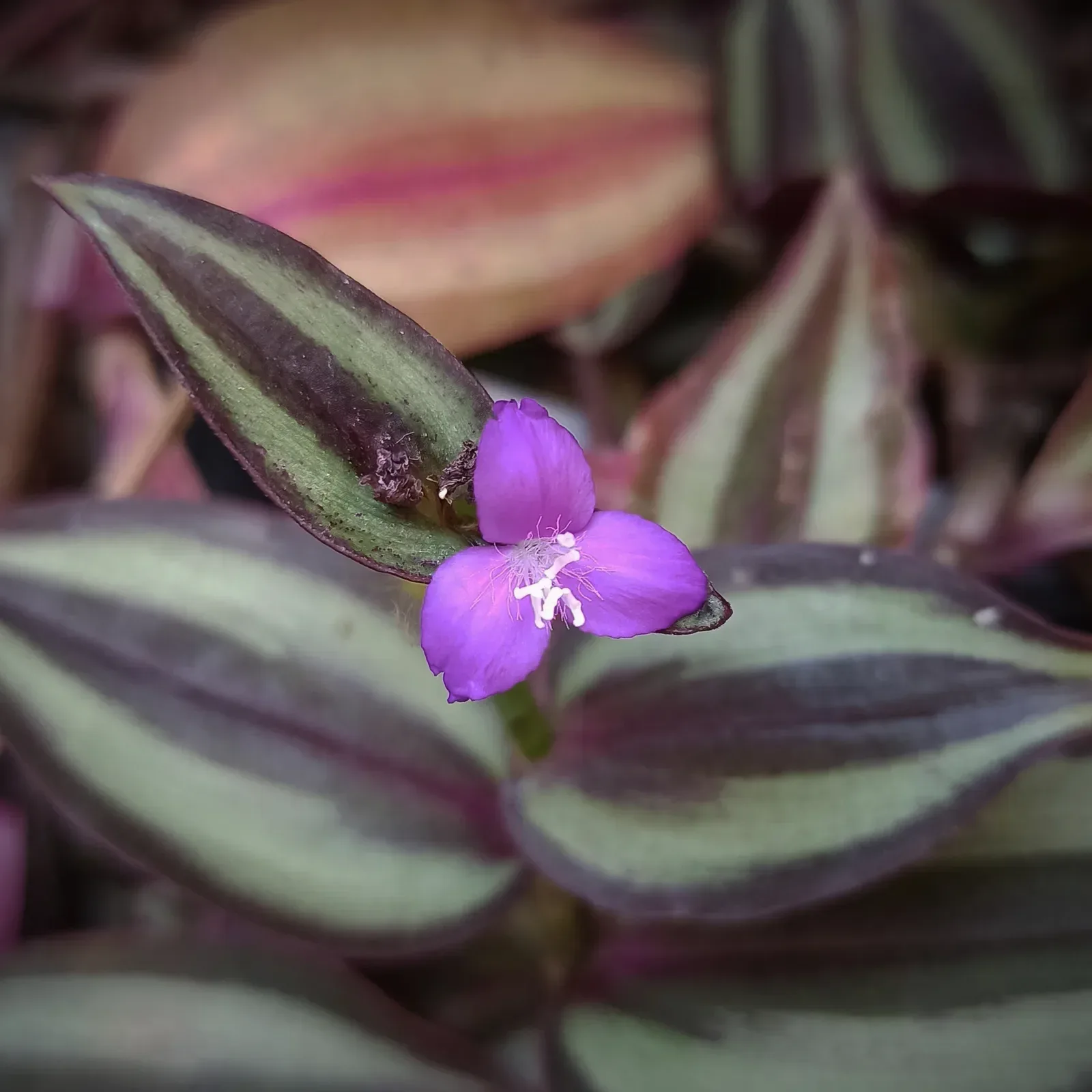
Grower field notes
Reader Field Notes in Canada
Share how this plant performs in your local Canada climate.