| ☀️ Light | Full sun |
|---|---|
| 💧 Water | Moderate (lightly moist) |
| 🪴 Soil | Free-draining cactus mix with coarse mineral particles |
| 🐾 Safety | Cats: not verified · Dogs: not verified |
Where It Grows & Climate Tolerance
Pet & Companion Animal Toxicity (Dragon Fruit Plant)
In Canada, set up a movable pot before the cactus starts making long stems. A bright warm room works for keeping foliage. A heated greenhouse offers better space and light if you want a realistic chance at flowering and fruiting.
Care instructions
Care Guide & Maintenance Routine
In Canada, set up a movable pot before the cactus starts making long stems. A bright warm room works for keeping foliage. A heated greenhouse offers better space and light if you want a realistic chance at flowering and fruiting.
Light & Sunlight
Gradually introduce an established plant to several hours of sun. In extreme heat, use afternoon shade if stem surfaces start to bleach.
Watering Schedule
Water well in warm growing weather and let the top of the mix dry before watering again. Keep the stem base out of standing water.
Potting Mix & Drainage
Free-draining cactus mix with coarse mineral particles
Temperature & Humidity
Pitaya grows best in warmth and is frost sensitive. A greenhouse or a sheltered bright spot is needed where winters are cold.
In Canada, set up a movable pot before the cactus starts making long stems. A bright warm room works for keeping foliage. A heated greenhouse offers better space and light if you want a realistic chance at flowering and fruiting.
Light through seasonal moves
Put the pot out only after nights warm up. Begin in shelter and increase sunlight over several days. A rooftop or balcony can feel warm at midday while a spring night is still cold enough to damage tender growth.
Manage the winter setup
Bring the plant in early enough to inspect it for scale. Keep the top of the stand far from cold glass and ease back on water if natural light drops. On a large plant, take a healthy cutting if space becomes a constraint.
Sources
- UF/IFAS Extension • Pitaya for the home landscape
- Kew Plants of the World Online • Selenicereus undatus
- University of Saskatchewan • Houseplant light and watering
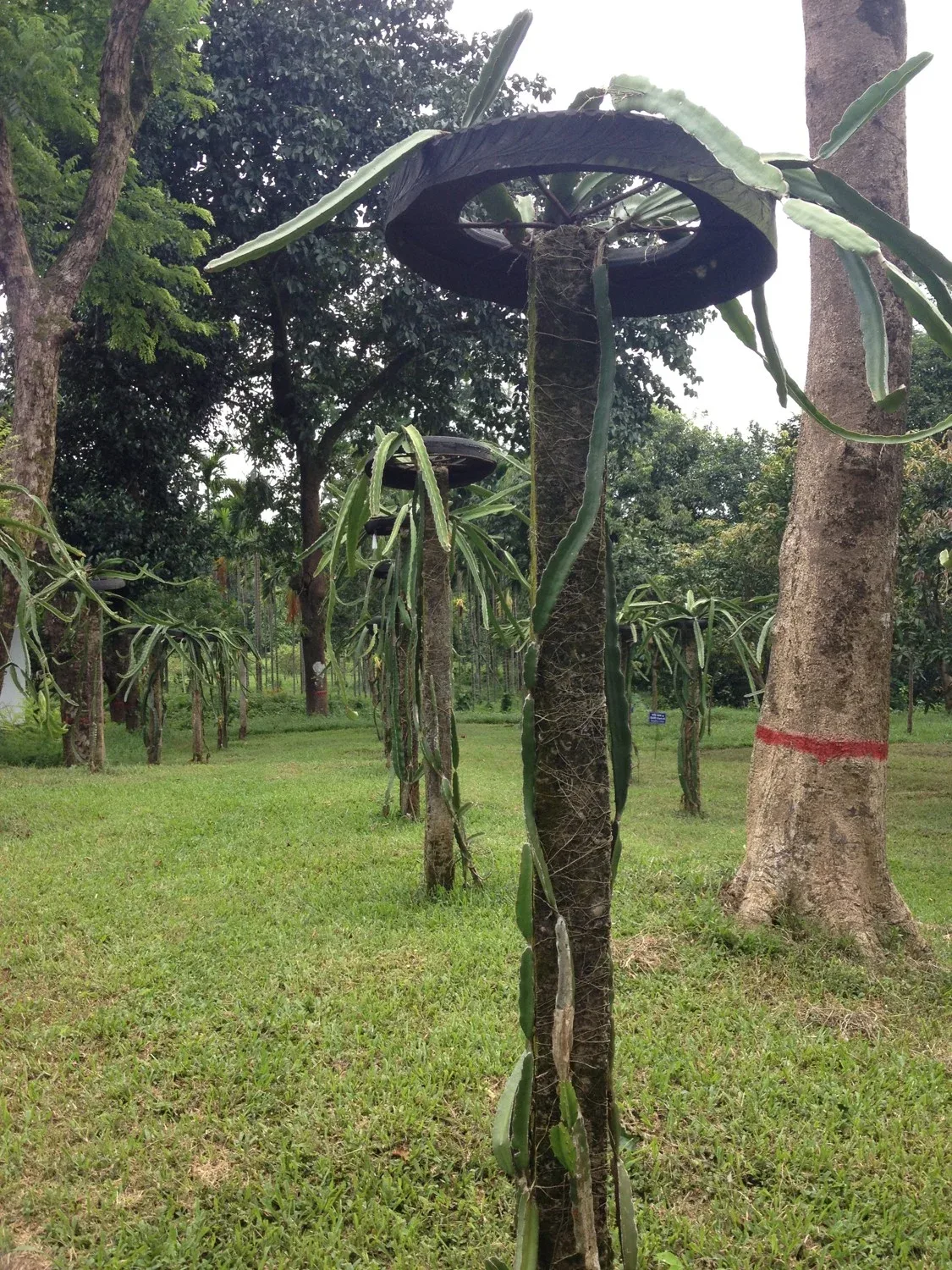
Featured photo by Anik Sarker via Wikimedia Commons, CC BY-SA 4.0. Resized for display.

Seasonal rhythm
Seasonal Calendar
| Month | Care Tasks | Seasonal Focus |
|---|---|---|
| Jan | Keep the plant bright and protect stems from cold glass. | |
| Feb | Check for scale around sheltered stem joints. | |
| Mar | Inspect the trellis before growth resumes. | |
| Apr | plant | Take a cutting in warm conditions if additional plants are needed. |
| May | Wait for warm outdoor nights before moving the cactus. | |
| Jun | protect | Introduce outdoor light gradually. |
| Jul | Water established plants after checking the dry surface. | |
| Aug | Watch for buds if the plant has mature trailing stems. | |
| Sep | protect | Bring pots indoors before the first cold nights. |
| Oct | Inspect stems and choose the brightest winter position. | |
| Nov | Reduce watering as light and growth slow. | |
| Dec | Keep roots warm and empty the saucer after watering. |
Diagnostics
Common Problems & Troubleshooting
Soft, dark stem bases can develop in persistently wet mix. Bleached patches after a move into strong sun can be scorch. If flowers drop, check cultivar compatibility and night pollination.
Similar Botanical Matches
Grower field notes
Reader Field Notes in Canada
Share how this plant performs in your local Canada climate.