
| ☀️ Light | Full sun |
|---|---|
| 💧 Water | Moderate (lightly moist) |
| 🪴 Soil | Fertile, well-drained loam or multipurpose potting mix |
| 🌡️ Temp | -29°C – 32°C |
| 🐾 Safety | Cats: toxic · Dogs: toxic |
| 📏 Mature size | 45 cm |
Where It Grows & Climate Tolerance
Pet & Companion Animal Toxicity (How to Grow Chives in Canada)
Chives are native to parts of Canada and are among the toughest herbs you can grow here. A clump planted once comes back every spring, often as the first green leaves in the garden.
Care instructions
Care Guide & Maintenance Routine
Plant divisions or transplants in spring as soon as the soil can be worked, or sow seed indoors 8 to 10 weeks before last frost. Harvest from April or May to frost. Cut back after the June flowers. Divide every few years. A potted clump can winter on a sunny sill.
Light & Sunlight
NC State Extension lists full sun to partial shade, and the RHS says chives grow well in either. In hot climates, light afternoon shade keeps leaves tender. Indoors, a bright sunny window is needed.
Watering Schedule
Keep the soil lightly moist while plants are growing, especially in pots. NC State notes chives are fairly drought resistant once established, but leaves become tough and tips yellow when dry for long.
Potting Mix & Drainage
Fertile, well-drained loam or multipurpose potting mix
Temperature & Humidity
Very cold hardy. Tops die back after hard frost and bulbs resprout as soon as soil thaws. Leaves tolerate light spring frosts. Last frost runs from 26 March in Vancouver to 1 June in St. John's, but divisions can be planted before that.
Chives in Canadian gardens
NC State notes that chives are native across the temperate northern hemisphere, including Canada. That shows in the garden: in Winnipeg, Saskatoon and Edmonton clumps shrug off winter and push up green shoots as soon as the snow melts. Quebec and New Brunswick cooks know them as ciboulette.
Planting and sowing
Divisions and potted plants can go in as soon as the soil thaws and drains. Seed is best started indoors 8 to 10 weeks before your last frost, then planted out after it. Average last spring frost (ECCC 1991-2020 normals via GrowersGuide.ca):
- Vancouver 26 March, Victoria 14 April: sow indoors in January or February.
- Montréal 29 April, Toronto 4 May, Ottawa 7 May, Halifax 8 May: sow indoors in late February or March.
- Kelowna 16 May, Fredericton 16 May, Charlottetown 18 May, Edmonton 22 May: sow in March.
- Winnipeg 24 May, Calgary 26 May, Regina 28 May, St. John's 1 June: sow in late March.
Zones and winter
NRCan's 1991-2020 map runs from Zone 3a in Saskatoon and Regina to 9a in Vancouver and Victoria. Chives come back across that whole range when planted in the ground. On the coast they may stay partly green in winter; inland they die back completely and resprout in April or May.
The June flower show
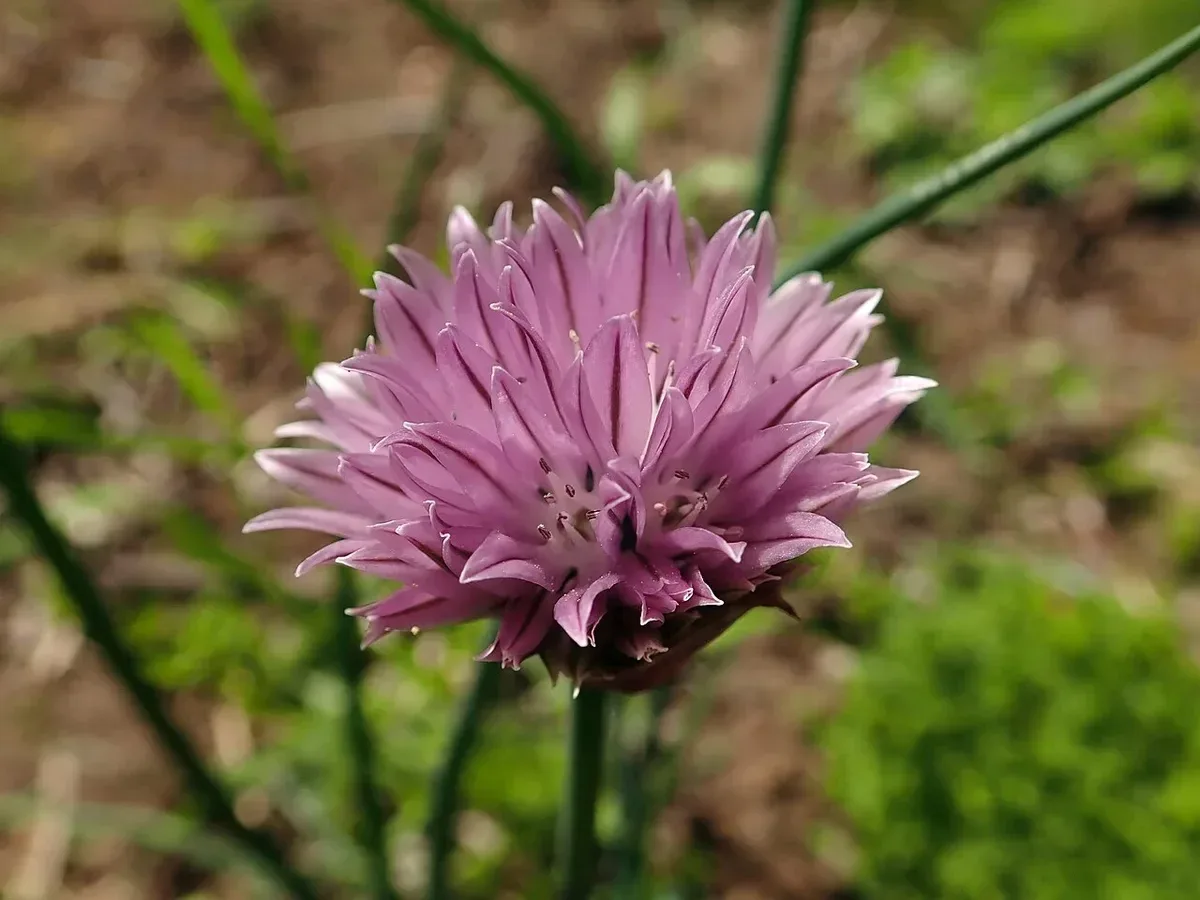
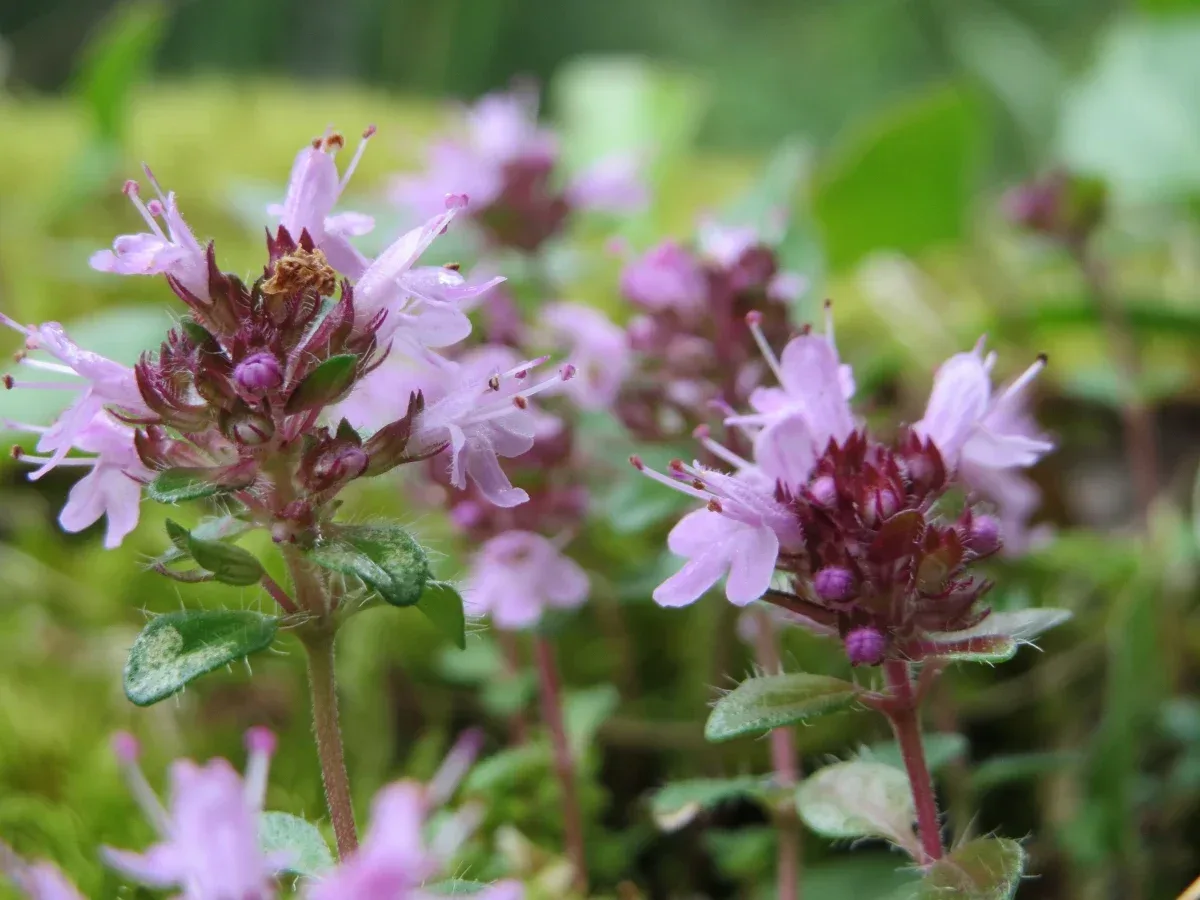
Most Canadian clumps flower in June. Bees visit heavily. When blooms fade, cut the entire clump to about 7.5 cm, as Wisconsin Horticulture suggests, and new leaves arrive within weeks. Snip off seed heads if you do not want chive seedlings across the vegetable bed.
Winter windowsill
In September, dig a small clump, pot it, and leave it outside through a few frosts so it goes dormant. Bring it in in November; it will resprout in a sunny window or under an LED light and give fresh leaves until spring.
Storing a big harvest
Chop and freeze extra leaves in July. Chive blossom vinegar, made by steeping flowers in white vinegar, is a popular way to use the June blooms.
Questions from Canadian readers
- Do I need to cover them in winter? Not usually, even on the Prairies. Snow cover helps.
- Dogs in the yard? ASPCA lists chives as toxic to dogs, cats and horses, so fence the herb bed if your dog digs or grazes.
First green of spring
In Edmonton or Moncton, chives are often up while snow still lies in shaded corners. Cut the first leaves for omelettes as soon as they reach a hand's height.
Keeping a pot for winter
Dig a small clump in October, pot it and leave it outside for a few weeks of cold. Bring it to a sunny kitchen windowsill in December and it will send up fresh leaves.
Seasonal rhythm
Seasonal Calendar
| Month | Care Tasks | Seasonal Focus |
|---|---|---|
| Jan | Protect from frost/heat | Outdoor clumps dormant. Indoor pots in a south window; water when the top dries. |
| Feb | Sow | BC coast: start seed indoors. Elsewhere: order seed and check stored pots. |
| Mar | Sow | Start seed indoors in Ontario, Quebec, the Maritimes and the Prairies. |
| Apr | Plant out, Harvest | First shoots on the coast and in southern Ontario. Plant divisions as soil thaws. |
| May | Plant out, Harvest | Prairie clumps resprout. Plant seedlings after last frost; first big cuttings in the East. |
| Jun | Harvest | Flowering month for most of Canada. Pick blossoms for salads and vinegar. |
| Jul | Prune, Fertilize | Cut whole clumps to 7.5 cm after flowering. Top-dress with compost. |
| Aug | Harvest | Fresh leaves after the July cut-back. Freeze extra chopped leaves. |
| Sep | Plant out, Repot | Divide old clumps. Pot up a piece for indoors and leave it outside for now. |
| Oct | Harvest | Last harvests in Ontario and Quebec; leaves take light frost. |
| Nov | Protect from frost/heat | Bring potted clumps indoors after a few frosts. Outdoor tops die back. |
| Dec | Protect from frost/heat | Indoor chives resprouting in a sunny window or under lights. |
Diagnostics
Common Problems & Troubleshooting
Yellow leaf tips from dry soil, old age or crowding; thin, weak leaves in deep shade; tough, strong-tasting leaves in heat; root rot in waterlogged pots; clumps declining when not divided.
Pests & seasonal watch: Onion thrips on leaves in hot, dry summers in Ontario and the Prairies. Aphids on indoor winter pots. Root rot in heavy, wet clay soils.
- Yellow leaves — Leaves fade from green to yellow, often starting at the bottom.
- Root rot — Roots turn brown and mushy in soil that stays wet.
- Thrips — Silvery streaks and twisted new leaves, sometimes with black specks of frass.
- Aphids — Clusters of small soft insects on new tips, often sticky.
- Overwatering — Soil stays wet, leaves yellow or droop, and the pot feels heavy.
- Underwatering — Soil is bone dry and leaves are crispy, curled or dull.
- Nutrient shortage — Overall pale growth, or yellowing between veins, on a plant that is otherwise watered well.
Care encyclopedia · 1 guide
Guides & Articles for How to Grow Chives in Canada
Q&A
Frequently Asked Questions
Are chives the same as spring onions?
No. Chives are a separate perennial species with thin, hollow leaves and a milder flavour. Spring onions (hara pyaz) are young onion plants grown for both leaves and bulbs.
How do I harvest chives?
Once leaves are about 15 cm long, cut a few leaves about 5 cm above the base, as Wisconsin Horticulture suggests. Cutting the whole clump at once means waiting several weeks for regrowth.
Can you eat chive flowers?
Yes. NC State notes the flowers are edible, with a mild onion flavour. Pull the florets apart and scatter them on salads.
Why are my chives turning yellow?
Common causes are dry soil, a crowded old clump, waterlogged roots or simply old leaves. Cut the clump back, divide it if crowded and check drainage.
Can chives grow indoors?
Yes. Wisconsin Horticulture suggests potting up a small clump in autumn for a bright windowsill so you have fresh leaves through winter.
Are chives toxic to dogs and cats?
Yes. ASPCA lists chives as toxic to dogs, cats and horses; the onion-family compounds can damage red blood cells. Keep pots out of reach.
How do I store chives?
Wisconsin Horticulture says cut chives keep about a week in the refrigerator. They freeze better than they dry; dried leaves lose much of their flavour.
Should I let chives flower?
You can. The flowers feed bees. Afterwards, cut stems back so the plant makes new leaves, and remove seed heads if you do not want seedlings.
How often should I divide chives?
The RHS advises lifting and dividing clumps every three or four years. Do it in spring or autumn and replant the pieces in fresh soil.
Similar Botanical Matches
Keep exploring
Related plants
Grower field notes
Reader Field Notes in Canada
Share how this plant performs in your local Canada climate.