
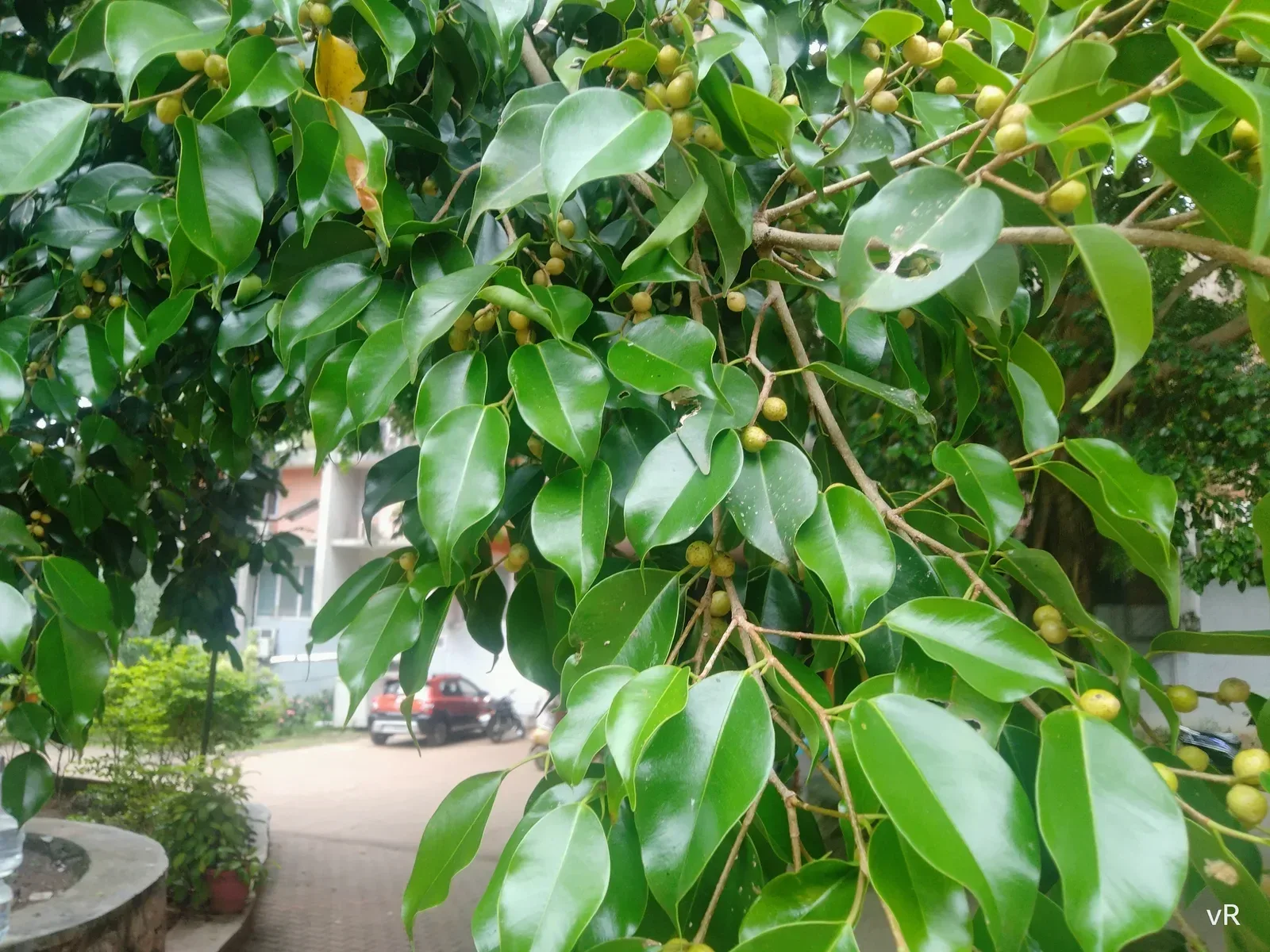
A weeping fig responds to changes in its surroundings through its leaves. Steady useful light, a drained root ball and protection from cold doors give it a better chance than frequent moves between rooms.
Quick answer
A weeping fig benefits from a bright settled position and careful root-zone checks after a move. Some leaf loss can accompany acclimation, but persistent decline needs diagnosis. Protect the canopy from cold Canadian window pockets and heater streams. Shape healthy branches selectively, and keep latex-containing cuttings away from pets and children.
How do you identify weeping fig?
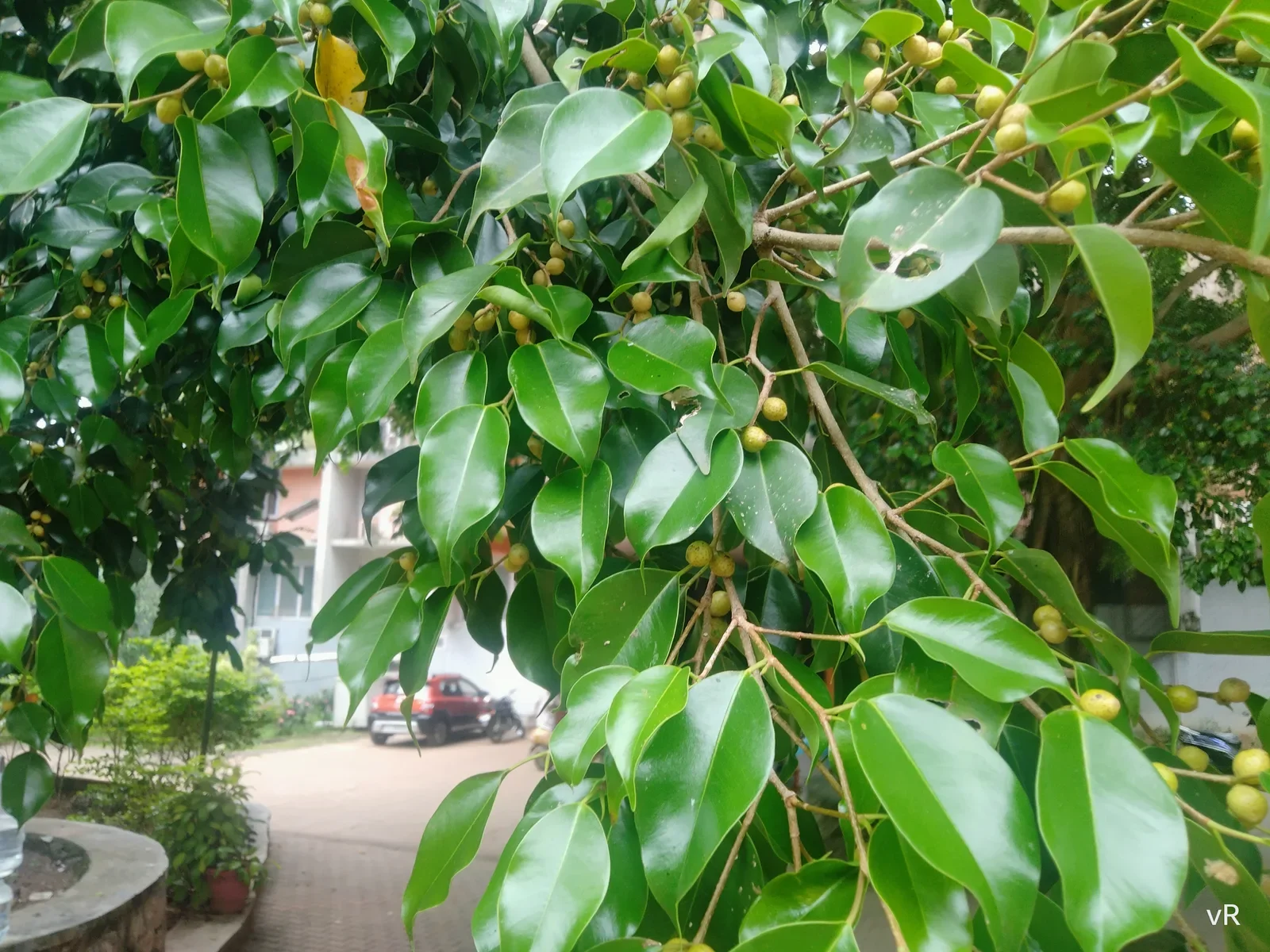
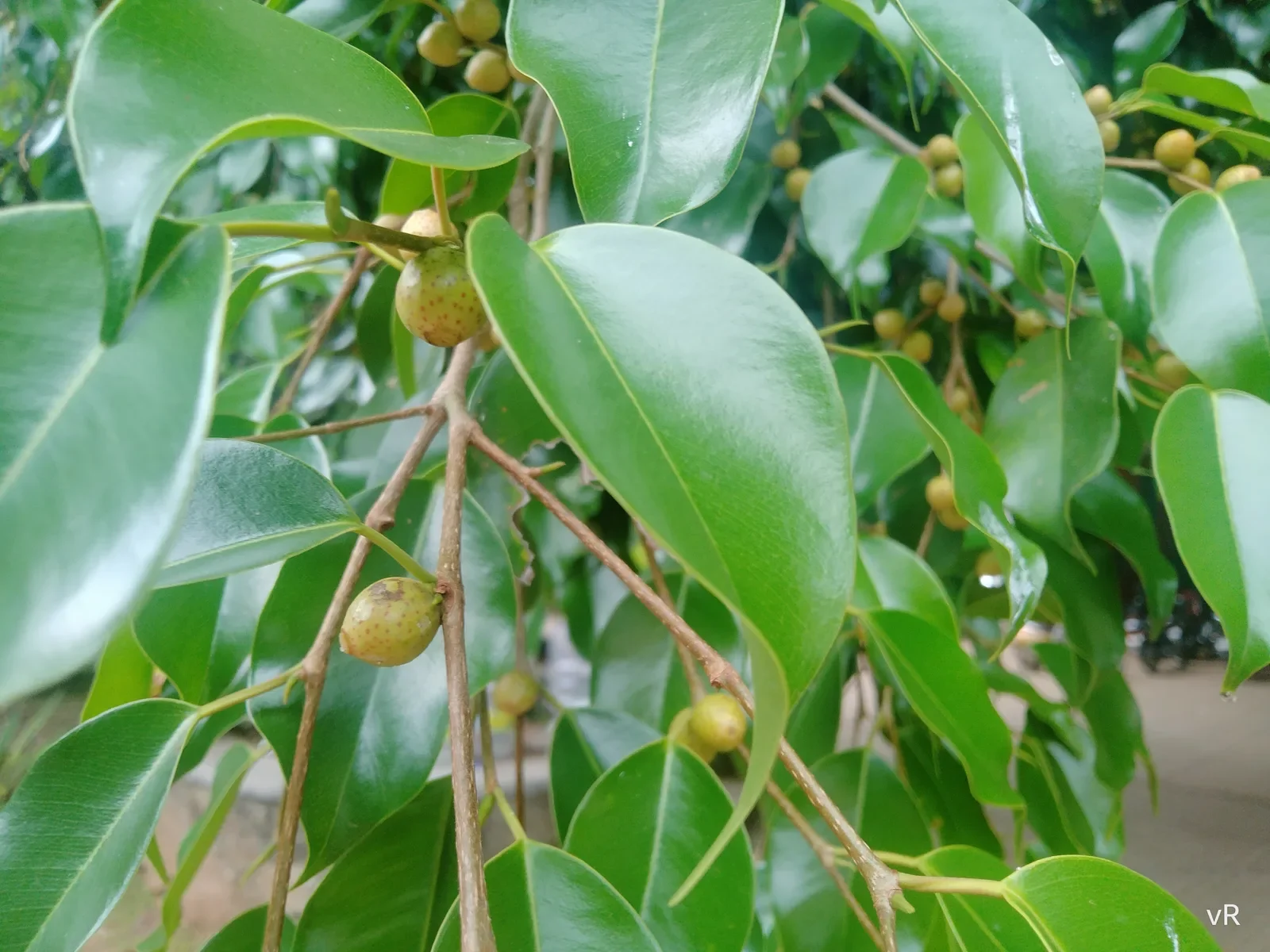
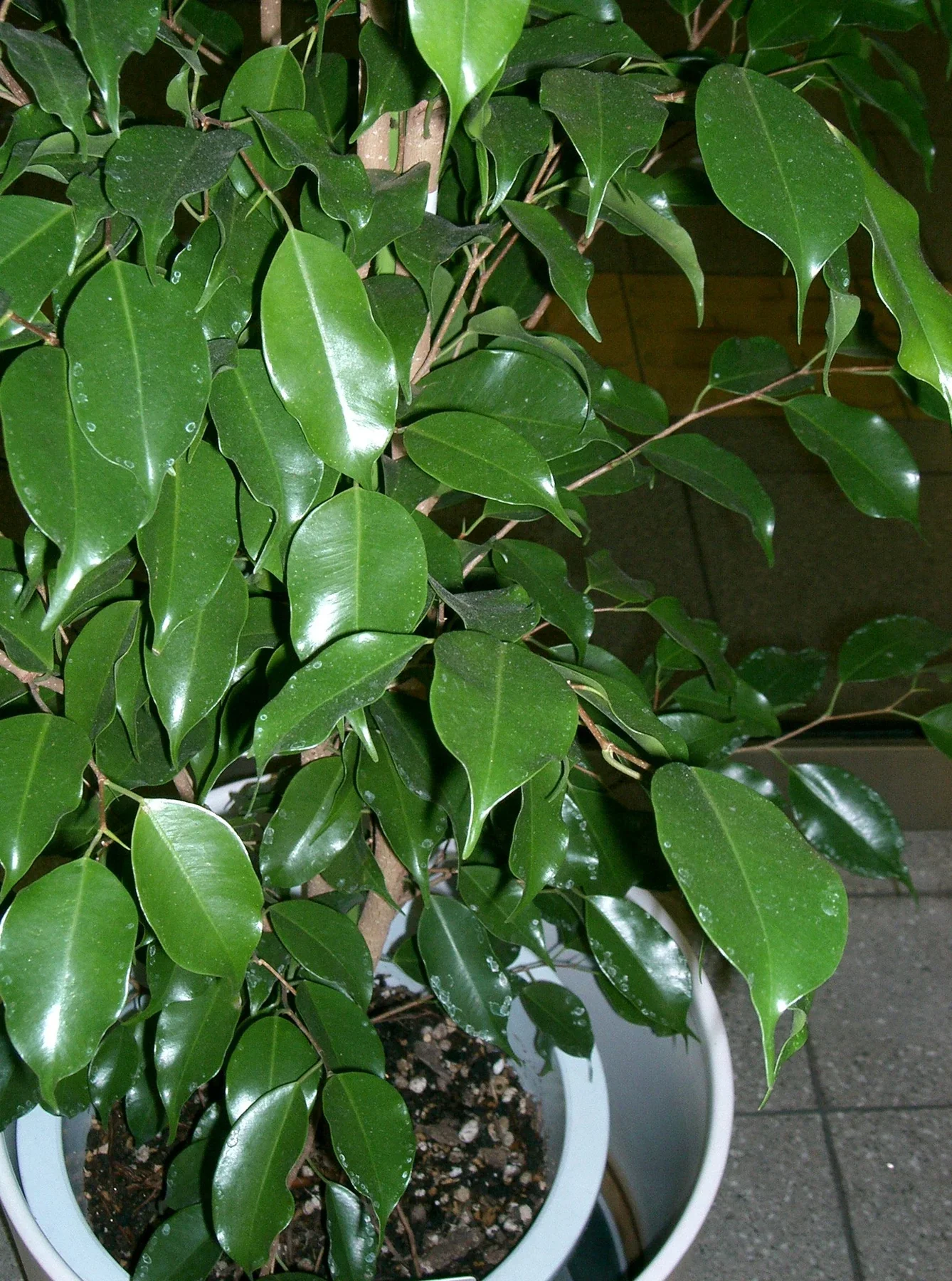
Weeping fig: Ficus benjamina has pointed leaves and arching branches, unlike broad fiddle leaf fig. Cream-variegated forms need enough light. Braided trunks are a training style, not a separate variety.
How much leaf drop is normal after moving a weeping fig?
Some loss follows a change of light or temperature, but continued shedding needs investigation. Check scale insects, wet roots and cold door drafts. Keep the tree in one good spot. Flexible branches may make new growth; brittle dead wood can be removed. Water hidden inside a basket is a frequent problem. Judge recovery from fresh shoots, not from an expectation that every bare branch will refill in midwinter.
What light does it need in a Canadian winter?
Pick a spot and leave it there.
Window access matters through Canada's short winter days. A large crown placed far back in a living room can be much dimmer than it looks to human eyes. Variegated forms may lose their attractive balance or grow weakly in such a spot. Consider supplemental light that reaches the main foliage, or choose a smaller tree that fits near a suitable window. Avoid pressing leaves against cold glass. Curtains should not trap the tree overnight in the chilly pocket beside the pane. A draft-free position still needs ordinary air movement; enclosing the whole canopy is not a solution.
How should you water through the seasons?
Water when the upper medium has dried sufficiently, then moisten the root ball thoroughly and drain it. A braided trunk or decorative planter does not change the root system's need for air. Check inside the outer pot for old runoff. A large plant can be dry in the original nursery core while fresh surrounding mix remains wet, so investigate uneven moisture after repotting. Repeated small drinks may worsen that pattern. If the pot is too heavy to lift, use a wooden probe and keep a simple watering record. Reduced winter growth commonly means a longer interval, not a fixed year-round schedule.
What soil or potting mix is best?
Repot into a modestly larger, stable container when the roots need it. Use an aerated indoor mix and keep the trunk base visible. Do not strip all the compost from healthy fine roots merely to replace the appearance of the soil surface. Large trees may need careful top-dressing between major repots instead. Remove dead leaves from the surface and check the base of the trunk. Feed during active growth, measuring the product rather than adding an extra dose to compensate for a recent leaf fall. Nutrients cannot repair foliage that was chilled during a Canadian winter delivery.
When should you fertilize?
Half-strength monthly April to September.
What temperatures and winter protection does it need?
Above 15 C; no drafts.
A weeping fig often reacts to a move by shedding some leaves. Record what changed before attempting several corrections at once. Light, a cold journey, a different watering pattern and a new heating vent can all be involved. Choose a bright stable position and let the plant adjust there. Moving it from room to room every time another leaf falls makes the cause harder to identify. Firm green stems and viable buds are encouraging signs. Widespread soft roots or blackened twigs need a different response from ordinary acclimation. A tree cannot be diagnosed solely by counting the leaves on the floor.
How should you prune it?
Shape in spring. Sap irritates skin.
Prune selected twigs to maintain the outline, considering where the next shoots will emerge. Shortening every branch to the same flat surface can create a dense shell with a bare interior. Let useful light penetrate the crown. White latex appears at cuts, so protect flooring, wear gloves if sensitive and keep the work area away from pets. Clean tools after pruning. Do not remove healthy leaves individually to make the tree smaller. A considered branch reduction retains a better framework and reduces the repeated wounds produced by constant casual clipping.
What is the best propagation method?
Root healthy stem tips with nodes during active growth in warm lightly moist mix. A leaf without viable stem tissue is not a reliable new tree.
Stem cuttings need node-bearing material and suitable warm rooting conditions. A detached leaf may remain green without producing a complete tree. Air layering can preserve a larger healthy top when renovating an overgrown specimen, but it requires a viable stem and patient aftercare. The rooted base may also produce new growth if enough healthy tissue remains. Do not attempt propagation from branches carrying scale or a suspicious spreading disease. Inspect the underside of leaves and young twigs before choosing material. Sticky honeydew on lower leaves or nearby furniture should prompt a pest check, not just a cleaning session.
How do you work out the cause?
Sudden leaf drop (move/draft/cold); sticky leaves (scale); bare branches (low light).
Is it safe around pets and children?
ASPCA lists weeping fig as toxic to cats and dogs. Latex irritates skin and the mouth. Keep sap, fallen leaves and cuttings away from children and pets.
A seasonal care calendar for Canada
| Season | What to do |
|---|---|
| Spring | Shape selected Ficus benjamina branches when spring growth is healthy. |
| Summer | Inspect the fig root zone regularly during summer canopy growth. |
| Autumn | Expect some leaf drop as light falls. |
| Winter | Stable warmth, water less. |
What should you check before buying?
The broad blades of fiddle leaf fig create a different tree outline. Look at schefflera for divided leaves and bird of paradise for a large upright accent when deciding which canopy can actually receive enough light in your home.
At purchase, inspect the inner canopy as well as the polished outside leaves. Scale insects can hide on woody stems, and mealybugs favour sheltered junctions. Check that the root ball is not sitting in stagnant water. Ask for careful winter wrapping of both branches and pot, then carry the tree straight into a warm vehicle. Once home, choose its long-term site before unwrapping bulky branches. Ficus sap and chewing hazards require thoughtful placement around children and animals. A slightly smaller, clean, well-branched tree is often easier to establish than a bargain specimen already losing leaves in poor shop light.
How should you plan a move within the home?
Choose the new position before lifting a large fig. Compare the window exposure, nearby vents and overnight temperature, and make sure the pot can drain there without damaging the floor. Support the container rather than pulling the trunk. After the move, check moisture because water use may change with the new light. Keep the tree settled while observing it, unless the position proves clearly unsuitable. A temporary leaf-drop episode is easier to interpret when you have changed one main condition rather than pruning, repotting and relocating the tree on the same afternoon.
Watch: a related growing task
Comments
No comments yet — share what worked in your climate.