
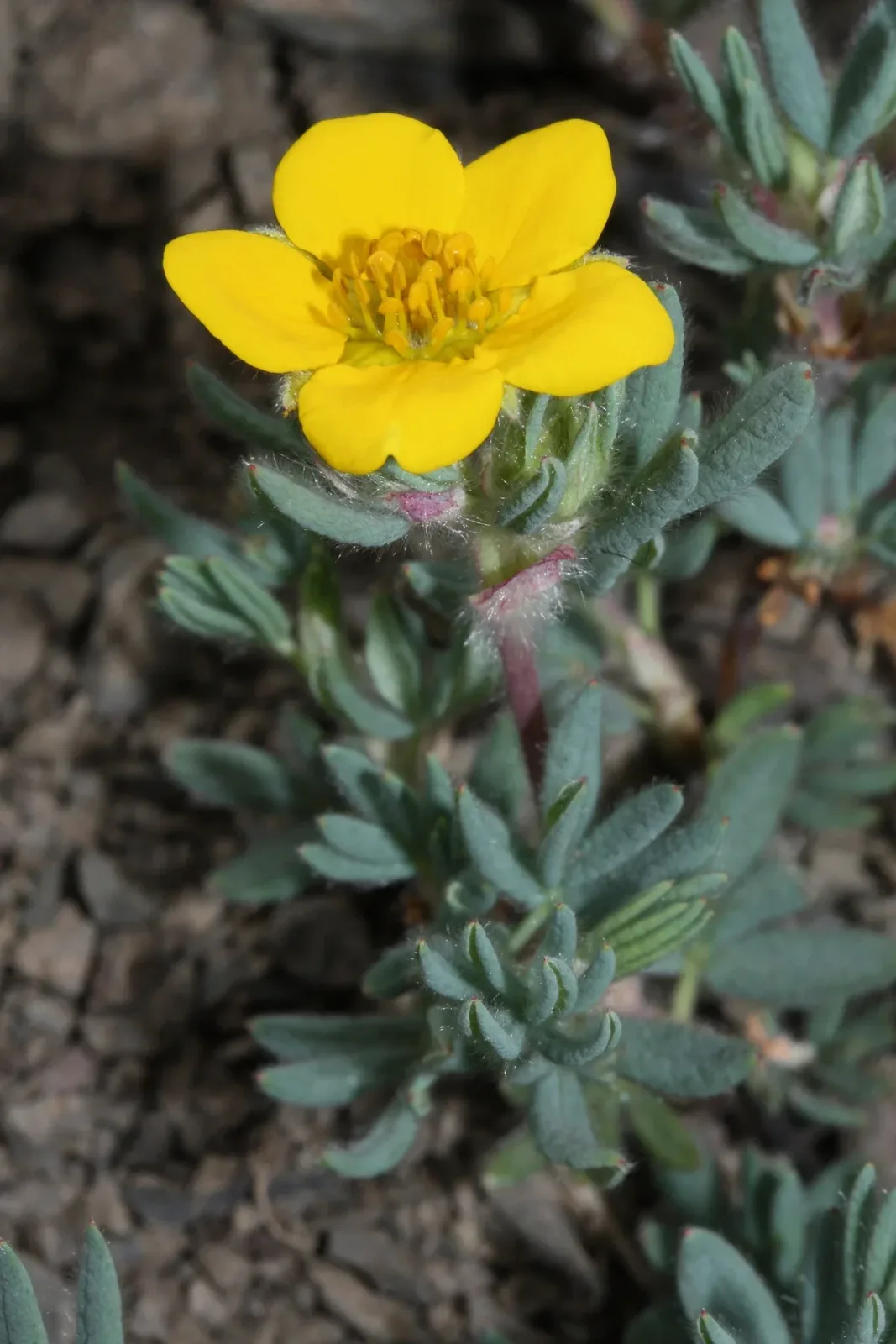
Shrubby potentilla is a useful choice for sunny cold-climate gardens where heavier-feeding shrubs need more attention. An open sunny site and a renewed framework keep it flowering better than rich fertilizer.
Quick answer
Shrubby potentilla flowers best in a sunny drained site. Establish roots with careful watering, then avoid rich feeding and permanent wetness. Thin or shorten growth thoughtfully in spring rather than repeatedly creating a dense clipped shell. Canadian winter survival depends on cultivar and site, while pink flower colour may soften in heat.
How do you identify potentilla?
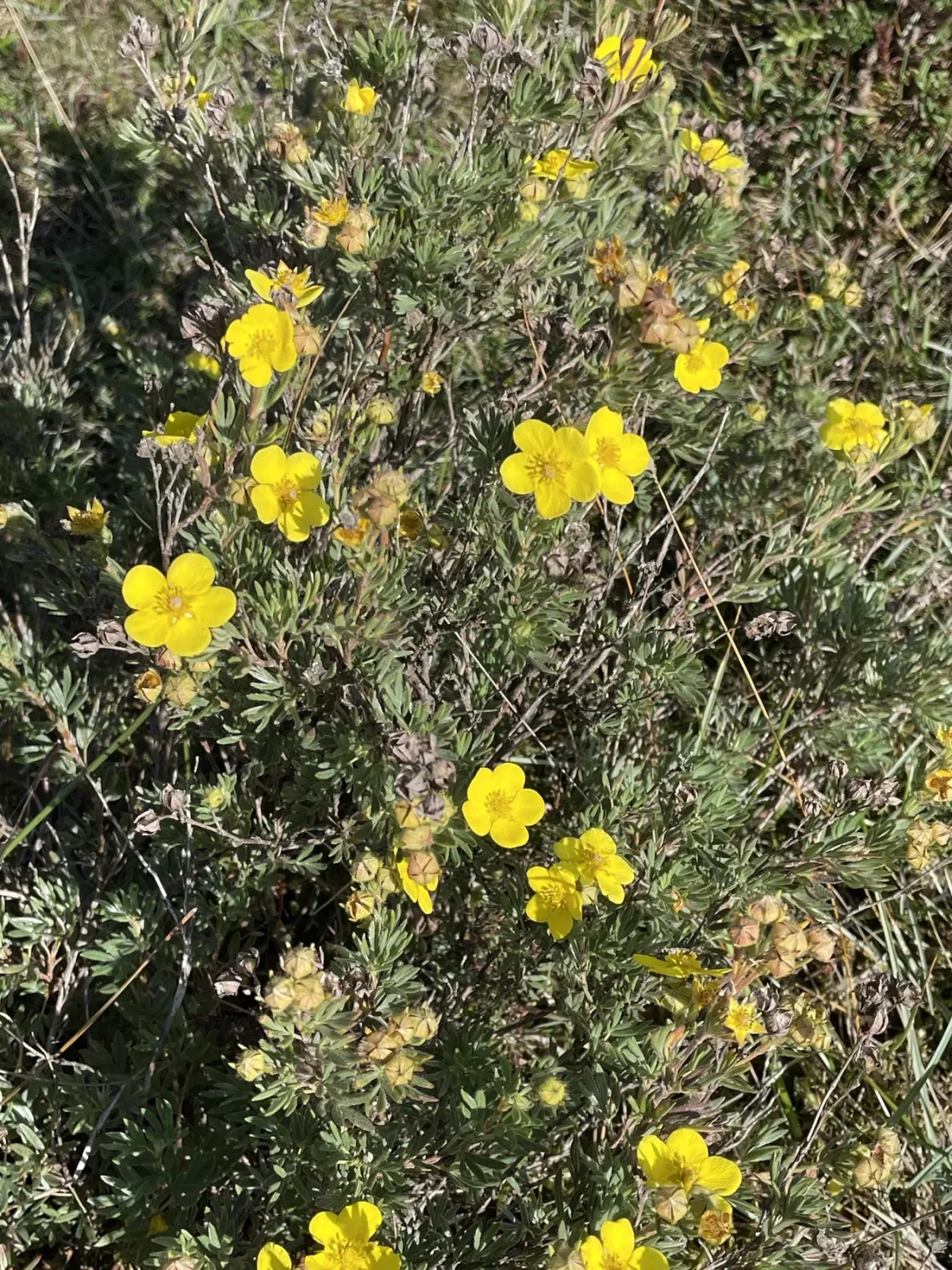
Potentilla: Shrubby potentilla is Dasiphora fruticosa, formerly Potentilla fruticosa, not a low herbaceous cinquefoil. 'Goldfinger' has yellow flowers. White and pink selections differ in vigour; some pink colours fade in heat.
Why does potentilla stop flowering well?
Check sun and old twiggy growth before adding fertilizer. Renew selected old stems in early spring and remove dead wood. Heavy nitrogen can favour leaves over flowers. Colour fading during heat is not necessarily disease. A shrub in a wet depression may fail in winter despite excellent cold tolerance. Improve drainage instead of replacing it repeatedly. Keep a natural shape rather than clipping every flower-bearing tip throughout summer, and compare new growth with an unpruned branch if bloom is disappointing.
Where should you plant it for enough light?
Full sun for bloom.
Shrubby potentilla is now often listed botanically as Dasiphora fruticosa. The old Potentilla name remains common in Canadian nurseries, so both may appear on labels for the same kind of shrub. Flower colour and growth habit vary by cultivar. Yellow selections are familiar, while pink, white and other colours offer different effects. Some flower colours soften in hot weather, which is not necessarily a soil deficiency. Choose a plant for local performance and mature spread rather than a single saturated photograph. A compact shrub still needs enough room for light to reach its outer and inner shoots.
How should you water through the seasons?
Water carefully during the first season, wetting the original root ball and nearby soil. Once roots are established, potentilla is useful in relatively dry beds, but prolonged drought can still reduce flowering and leave the plant ragged. Check beneath mulch before deciding that another irrigation cycle is required. Drainage matters, especially in heavy ground where winter water collects. Do not compensate for a wet site by adding only a small pocket of gritty material inside a clay basin. Improve the broader drainage situation or choose another position. Keep mulch away from the woody crown so its condition remains visible.
What soil or potting mix is best?
Well-drained; poor soils OK. Drainage key on clay ; raise bed.
When should you fertilize?
Usually none; compost optional.
Most established potentillas do not need rich feeding to flower. Excess nitrogen may encourage leafy growth and more pruning. A light spring application is enough where soil fertility and growth justify it. If flowering declines, check sun, drought stress and the age of the framework before purchasing bloom boosters. Flowers are produced over an extended season rather than all at once, so daily counts are not a useful health test. Removing some faded material can tidy the outline, but individual deadheading across a large shrub is not essential. Keep the overall care practical for the size of the planting.
What temperatures and winter protection does it need?
Shrubby potentilla is used in very cold gardens, often zone 2 upward. Choose a locally proven cultivar.
Sun is the main light requirement. A potentilla tucked under an expanding spruce may live with thin growth and few flowers rather than provide the dense display expected from a sunny nursery bed. Review the site after trees are in leaf. Outdoor winter dormancy needs no grow lamp or indoor warmth. A container specimen, however, has roots exposed to colder conditions than one in the ground and needs a local protection plan. Avoid storing it in a heated room for winter; that disrupts dormancy without providing a suitable indoor growing environment for this hardy shrub.
How should you prune it?
Light spring cut; renew old wood every few years.
Spring pruning can remove dead tips and tidy the previous season's growth before the main flowering period. Thin selected older stems to keep a useful framework rather than shearing constantly through summer. Although potentilla tolerates clipping, a repeatedly dense shell can hide a bare woody interior. If an old shrub needs renovation, assess whether healthy young basal shoots are present. A severe cut on a weak declining plant is not guaranteed to restore it. Spread renewal where practical and watch how the shrub responds. Remove clearly broken or diseased material promptly with clean tools.
What is the best propagation method?
Root healthy softwood tips in clean lightly moist mix with ventilation. Seed does not preserve named colours. Check cultivar rights before selling propagated plants. Avoid stems with unexplained dieback.
Which pests and diseases should you watch for?
Inspect for mites in hot dry conditions and leaf spots in prolonged damp weather. Dead twigs also need a winter-damage check.
Spider mites may become troublesome during hot dry periods, and damaged foliage can look dusty or stippled. Inspect beneath leaves before spraying. A wash of the foliage may help with some pests, but repeated watering of already wet roots is not the same thing. Leaf spots or branch dieback require separate examination. Good spacing and removal of dead material improve access and observation. Healthy semi-ripe cuttings can preserve a named cultivar if propagation is permitted. Seedlings may vary and are not a reliable way to reproduce an exact flower colour. Keep parent plants identified throughout the process.
How do you work out the cause?
Few flowers (shade/overfeed); winter wet rot (poor drainage).
Is it safe around pets and children?
An individual ASPCA listing has not been verified here for shrubby potentilla. Do not present it as certified pet-safe or edible. Keep children and animals from chewing garden material.
A seasonal care calendar for Canada
| Season | What to do |
|---|---|
| Spring | Light prune; bloom starts early summer. |
| Summer | Long bloom; drought tough. |
| Autumn | Bloom into frost on many. |
| Winter | Keep potentilla roots drained while its woody framework rests. |
What should you check before buying?
A low shrub bed can use spirea for a contrasting form. Compare smooth hydrangea and forsythia for other flowering periods, allowing enough width that the potentilla remains sunlit instead of disappearing beneath a taller neighbour.
At purchase, choose a shrub with living shoots distributed through the base rather than only green tips on a hollow framework. Check for firm roots and an absence of stale water in the nursery container. Ask about the cultivar's local winter performance and colour in summer heat. Plant with enough time for establishment before severe cold, using local nursery guidance rather than one national deadline. Avoid road-salt runoff and sites where snow equipment repeatedly breaks the stems. Potentilla is an ornamental shrub, not an invitation to sample flowers or make home remedies, particularly when the exact species or treatment history is uncertain.
Should every faded flower be removed?
On a large potentilla, individual deadheading can become needless work. Remove an untidy cluster or lightly shape a finished area if desired, but preserve useful new growth. Judge the overall shrub and its next flowers rather than trying to keep every branch free of spent blooms.
Watch: a related growing task
Garden Hike demonstrates spring maintenance on shrubby potentilla. Identify live basal growth before deciding how much of an older woody framework to remove.
Comments
No comments yet — share what worked in your climate.