
| ☀️ Light | Medium light |
|---|---|
| 💧 Water | Moderate (lightly moist) |
| 🪴 Soil | Light well-drained garden soil |
| 🐾 Safety | Cats: not verified · Dogs: not verified |
Where It Grows & Climate Tolerance
Pet & Companion Animal Toxicity (Native Fuchsia (Correa reflexa) – Australia)
Not yet verified: Toxicity status for cats, dogs, and horses has not yet been confirmed against veterinary poison-control records. Keep out of reach of pets or consult your veterinarian.
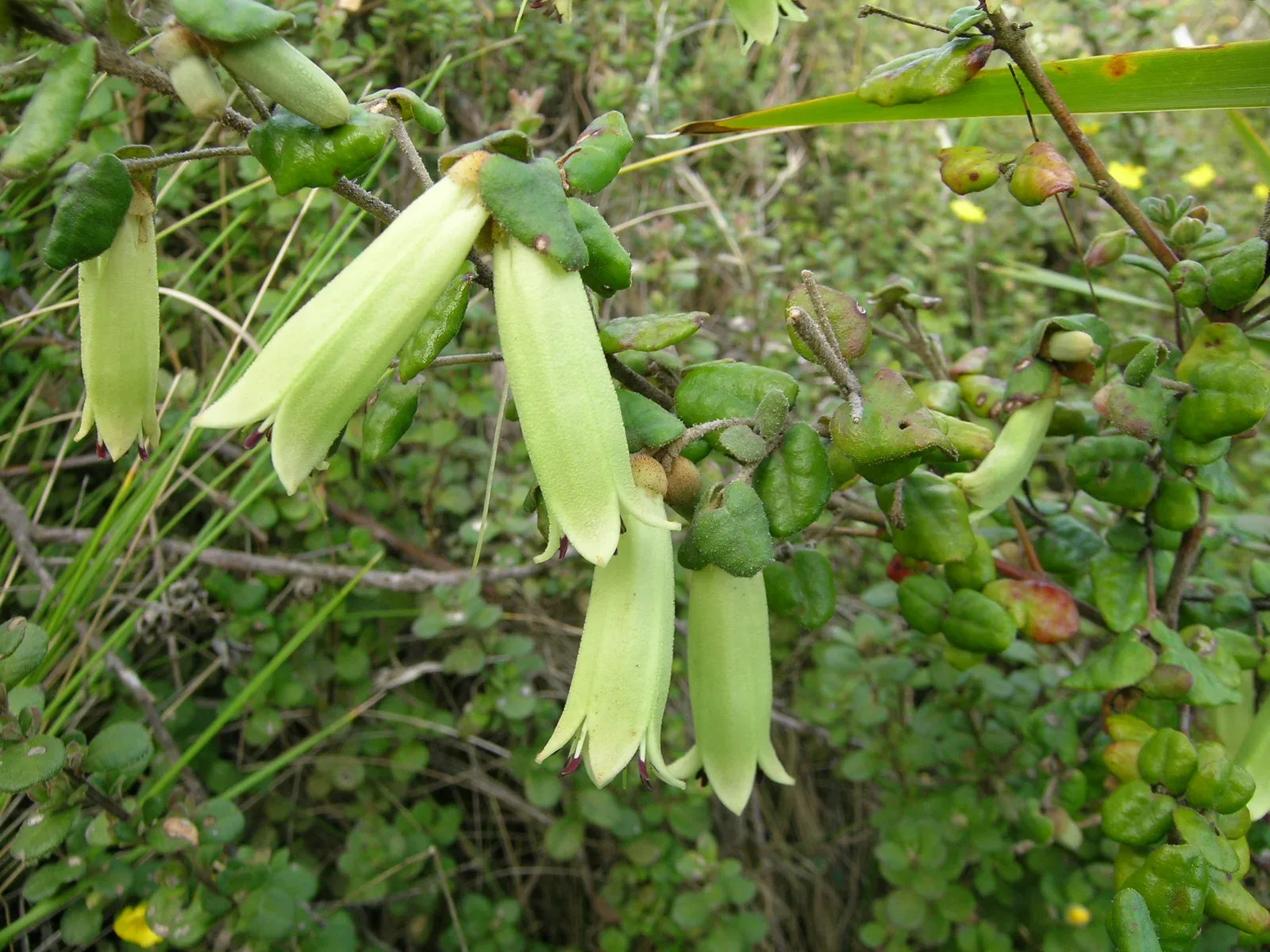
Correa reflexa is a variable south-eastern Australian shrub with hanging tubular flowers, often blooming from May to November.
Care instructions
Care Guide & Maintenance Routine
In NSW, Victoria, SA and Tasmania, give shelter, broken or morning sun and well-drained soil. Water during growth and tip prune after flowering.
Light & Sunlight
Morning or broken sunlight gives strong growth; some forms also tolerate shade or full sun.
Watering Schedule
Water deeply during active growth and establishment, then adjust to rain and soil moisture.
Potting Mix & Drainage
Light well-drained garden soil
Temperature & Humidity
Southern Hemisphere seasons apply. Winter flowering is common, but performance varies by local frost, heat and wind.
Correa reflexa grows naturally across south-eastern Australia, including South Australia, Victoria, New South Wales and Tasmania. Its hanging tubular flowers vary among forms, ranging from greenish yellow to red with green tips. The Australian National Botanic Gardens records the main flowering period between May and November, with occasional flowers outside it. It can tolerate many soils and light levels, but a sheltered garden position with morning or filtered sun and light well-drained soil gives the best results. Water deeply during active growth while checking local rainfall and drainage. After the main bloom, tip prune in late spring to promote branching and future flowers. Take soft tip cuttings in late summer or early autumn if propagating. In exposed coastal districts, provide wind protection to young shrubs. Flower time and water needs will vary across Tasmania, Victoria and warmer NSW gardens.
Seasonal rhythm
Seasonal Calendar
| Month | Care Tasks | Seasonal Focus |
|---|---|---|
| Jan | Routine check | In January, check young shrubs through summer heat and water deeply when soil dries. |
| Feb | Routine check | February is a good period to take soft tip cuttings from healthy non-flowering shoots. |
| Mar | Routine check | In March, inspect drainage and shelter before autumn planting in mild districts. |
| Apr | Routine check | April planting can suit temperate regions; water new roots in and avoid saturated soil. |
| May | Routine check | May may bring the first major flowers; observe local timing and avoid pruning buds. |
| Jun | Routine check | In June, enjoy winter flowers and check drainage after rain. |
| Jul | Routine check | July cold and wind can stress young shrubs; shelter exposed plants without overwatering. |
| Aug | Routine check | In August, leave flowering tips intact and monitor soil moisture in dry winters. |
| Sep | Routine check | September bloom can continue; provide deep water during unusually dry spring weather. |
| Oct | Routine check | October is often still flowering; inspect shape but delay tip pruning until bloom eases. |
| Nov | Routine check | After November flowering, tip prune lightly to keep growth compact. |
| Dec | Routine check | In December, refresh mulch clear of the stem and monitor new shrubs through heat. |
Diagnostics
Common Problems & Troubleshooting
Poor drainage and exposed wind can limit growth. Sparse flowers may follow heavy pruning before bloom.
Pests & seasonal watch: This species is generally free of serious pests. If growth stalls, assess root moisture, drainage and exposure first.
Similar Botanical Matches
Keep exploring
Related plants
Grower field notes
Reader Field Notes in Australia
Share how this plant performs in your local Australia climate.