
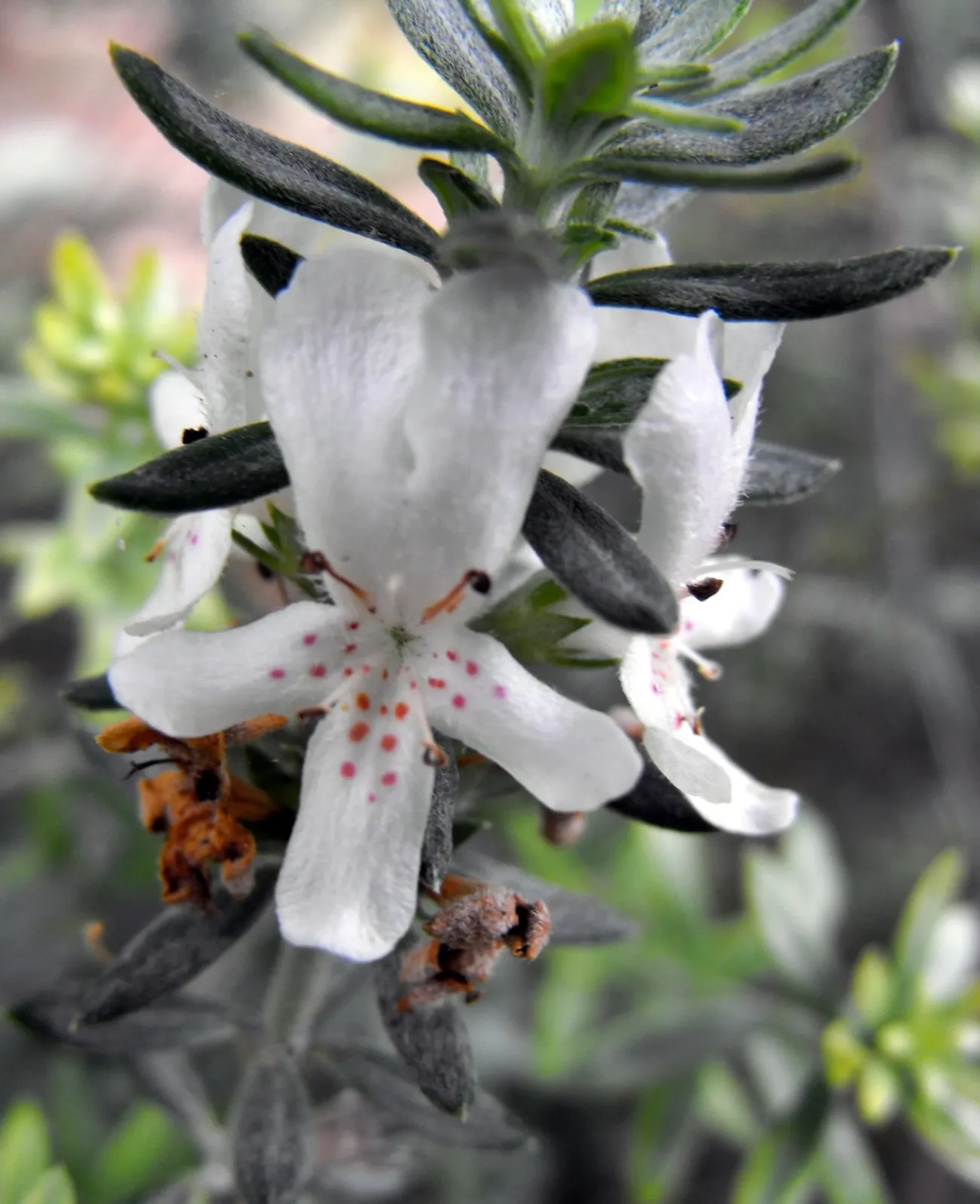
| ☀️ Light | Full sun |
|---|---|
| 💧 Water | Low (allow soil to dry) |
| 🪴 Soil | Well-drained garden soil or free-draining potting mix |
| 🐾 Safety | Cats: not verified · Dogs: not verified |
| 📏 Mature size | 2.0 m |
Where It Grows & Climate Tolerance
Pet & Companion Animal Toxicity (Coastal Rosemary (Westringia fruticosa))
Not yet verified: Toxicity status for cats, dogs, and horses has not yet been confirmed against veterinary poison-control records. Keep out of reach of pets or consult your veterinarian.
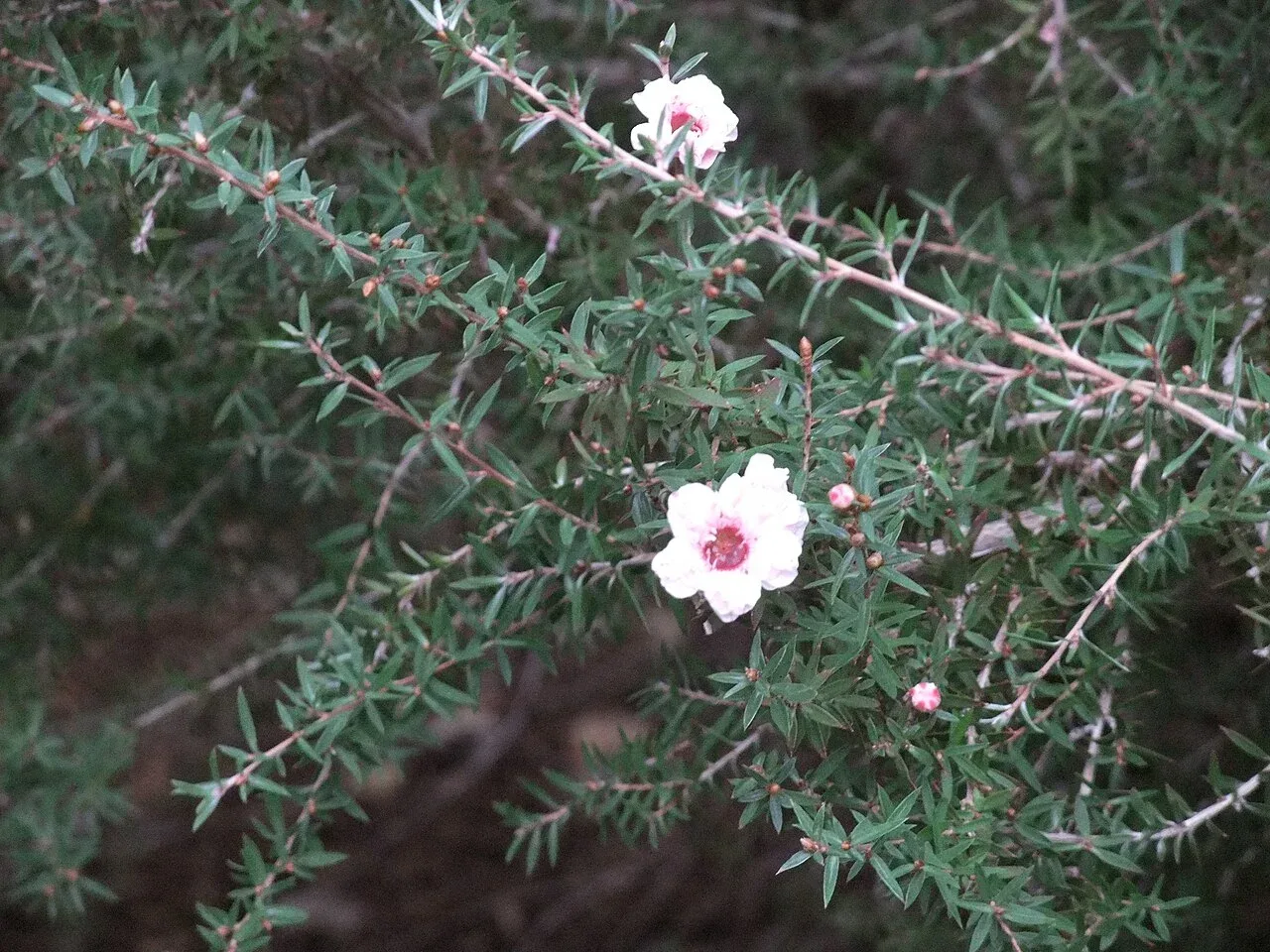
A NSW coastal native for broad hedges and seaside gardens. Its pale flowers appear in many months, and established shrubs handle sea spray and dry periods.
Care instructions
Care Guide & Maintenance Routine
On the NSW coast, plant during mild weather and water until established. Use it as a broad flowering hedge or choose a compact cultivar for small spaces. Coastal salt spray is tolerated.
Light & Sunlight
Grow in a sunny to lightly shaded outdoor position. Flowering and density depend on local light and pruning.
Watering Schedule
Water regularly after planting until roots establish. Established plants tolerate dry periods, but water during prolonged drought if foliage yellows. Avoid a fixed weekly schedule.
Potting Mix & Drainage
Well-drained garden soil or free-draining potting mix
Temperature & Humidity
NSW coastal conditions suit the species. Protect recently planted pots during unusual hard frost or extreme heat; no single minimum temperature applies to every selection.
Along the New South Wales coast, Westringia fruticosa grows naturally on exposed cliffs and near beach level. That habitat explains its value in seaside gardens where salt spray reaches foliage. An unpruned species shrub can become much wider than a narrow garden bed; allow room or choose a compact named form.
In Sydney and similar NSW districts, establish new plants with regular watering during mild planting weather. Once settled, adapt watering to rainfall and soil moisture rather than a fixed timetable. White to pale mauve flowers may be seen in many months, especially around spring; flowering differs with weather and pruning. Keep hedges shaped with light regular trimming.
“Native rosemary” describes its narrow leaves, not a culinary use. Do not substitute it for rosemary in food. Check the label of any cultivar for its final size and growing conditions.
Seasonal rhythm
Seasonal Calendar
| Month | Care Tasks | Seasonal Focus |
|---|---|---|
| Jan | Routine check | NSW summer: check moisture during heat and water newly planted shrubs when soil begins to dry. |
| Feb | Routine check | Late summer: inspect the hedge after dry spells and trim lightly only if shape needs it. |
| Mar | Routine check | Early autumn: mild weather can suit planting; water new stock until roots establish. |
| Apr | Routine check | Autumn: check drainage and continue establishment watering according to rainfall. |
| May | Routine check | Late autumn: reduce watering when rainfall is sufficient; inspect young pots before cold nights. |
| Jun | Routine check | Winter: protect newly planted containers from unusual hard frost; avoid waterlogged pots. |
| Jul | Routine check | Midwinter: inspect foliage and remove damaged tips only after weather improves. |
| Aug | Routine check | Late winter: plan a light shape prune ahead of spring growth where needed. |
| Sep | Routine check | Spring: new growth resumes; plant in mild weather and water in well. |
| Oct | Routine check | Mid-spring: observe pale flowers and trim hedge edges lightly if required. |
| Nov | Routine check | Late spring: flowering may be strong; keep young plants watered as days warm. |
| Dec | Routine check | Early summer: check broad hedges for dry soil and maintain mulch clear of stems. |
Diagnostics
Common Problems & Troubleshooting
Yellow foliage during extended drought; sparse shape from lack of pruning; overcrowding where a full-size shrub was planted in a narrow space.
Pests & seasonal watch: Established plants usually have few pest issues in the ANBG account. Check yellow leaves for prolonged dryness and inspect unexpected damage before applying treatment.
Similar Botanical Matches
Keep exploring
Related plants
Grower field notes
Reader Field Notes in Australia
Share how this plant performs in your local Australia climate.