
| ☀️ Light | Medium light |
|---|---|
| 💧 Water | Moderate (lightly moist) |
| 🪴 Soil | Compost-enriched, moist but well-drained soil |
| 🐾 Safety | Cats: not verified · Dogs: not verified |
Where It Grows & Climate Tolerance
Pet & Companion Animal Toxicity (Lemon Myrtle (Backhousia citriodora) in Australia)
Not yet verified: Toxicity status for cats, dogs, and horses has not yet been confirmed against veterinary poison-control records. Keep out of reach of pets or consult your veterinarian.
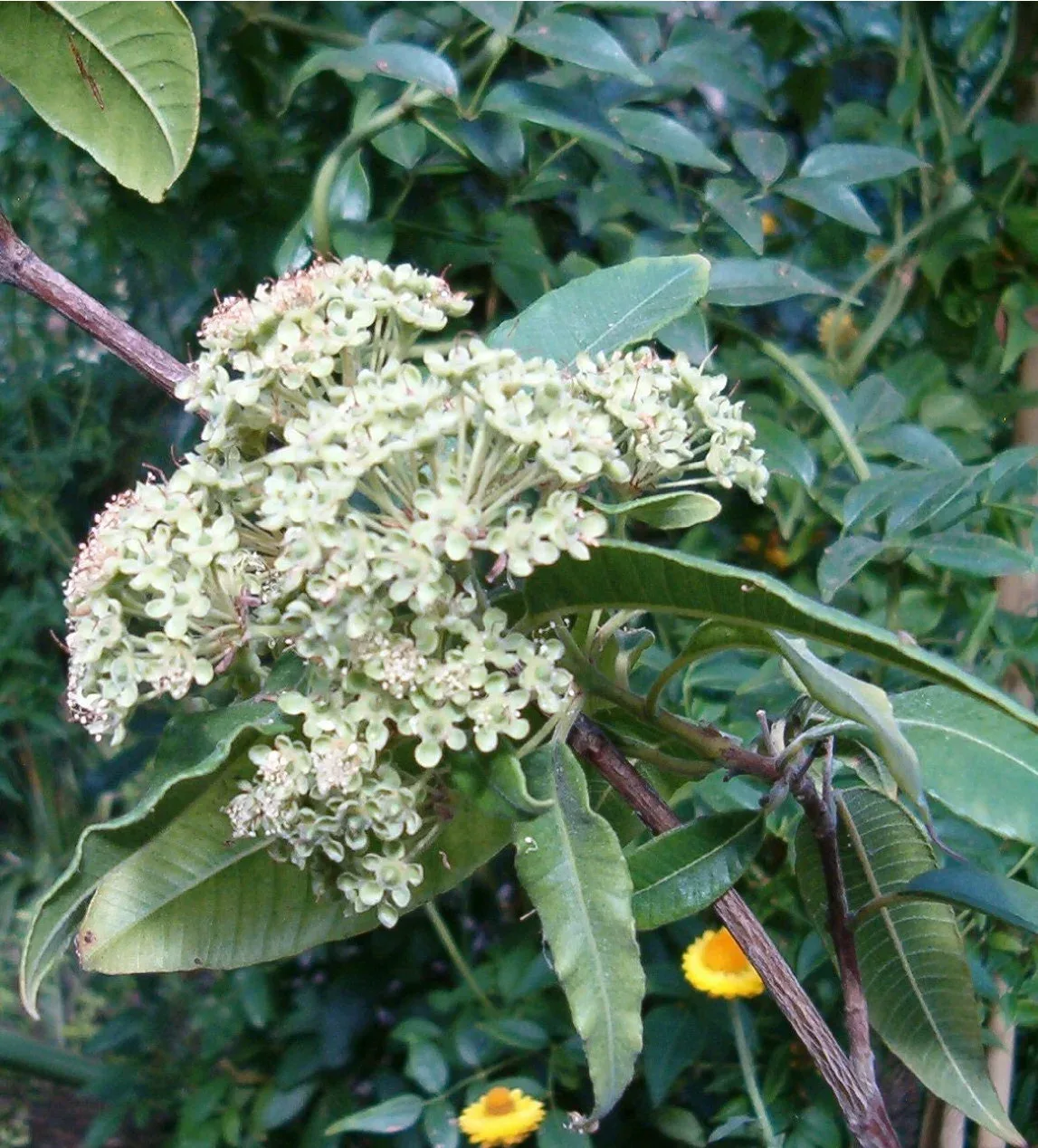
Queensland native lemon myrtle has strongly scented leaves and white flowers. It prefers a sheltered site with moist, composted soil and good drainage.
Care instructions
Care Guide & Maintenance Routine
In coastal QLD and suitable sheltered eastern NSW gardens, plant in filtered light or semi-shade with compost-enriched, moist but well-drained soil. Protect young plants from frost in cooler places.
Light & Sunlight
Semi-shade or filtered light is reliable, especially for young plants. Provide shelter from intense afternoon sun in hot, dry districts.
Watering Schedule
Keep soil moist while establishing and during dry weather, but allow good drainage. Container plants need more frequent checks.
Potting Mix & Drainage
Compost-enriched, moist but well-drained soil
Temperature & Humidity
Young lemon myrtle is slightly frost-tender. In cooler areas choose a sheltered semi-shaded position and protect it on frost nights; in hot dry weather keep the root zone mulched and watered.
Backhousia citriodora occurs naturally in coastal Queensland forests from Brisbane to Mackay. The aromatic leaves are used in food, while clusters of white flowers add ornamental value. A garden plant may reach several metres if unpruned, so allow space or use a suitably large pot.
Grow in rich soil that retains moisture without waterlogging. Mulch the root zone and water through establishment and extended dry periods. A young plant in a frost-prone district needs shelter; a mature specimen can be more resilient in a protected microclimate. Harvest leaves only from correctly identified plants that have not been treated with unsuitable sprays.
Seasonal rhythm
Seasonal Calendar
| Month | Care Tasks | Seasonal Focus |
|---|---|---|
| Jan | Routine check | Water deeply in summer dry spells and check that mulch keeps the root zone cool. |
| Feb | Routine check | Inspect leaves for scorch or wilting during hot weather; check pot moisture often. |
| Mar | Routine check | As autumn starts, reduce watering only when soil remains damp after rain. |
| Apr | Routine check | Check drainage and remove weeds around the root zone without disturbing roots. |
| May | Routine check | Prepare shelter for young plants before frosts in cooler districts. |
| Jun | Routine check | Protect young plants from frost and avoid leaving soil saturated in winter. |
| Jul | Routine check | Inspect foliage after cold or wet weather; delay pruning frost-damaged tips until risk eases. |
| Aug | Routine check | Plan spring planting where local frost danger has passed and soil is warming. |
| Sep | Routine check | Top-dress with compost and refresh mulch without covering the stem. |
| Oct | Routine check | Tip-prune lightly for bushier growth and water newly planted specimens. |
| Nov | Routine check | Check new growth for damage and maintain even moisture through warm spells. |
| Dec | Routine check | Shelter from drying winds and water during prolonged summer heat. |
Diagnostics
Common Problems & Troubleshooting
Leaf scorch in hot dry exposure, wilting from dry soil, poor growth in saturated soil, frost damage to young plants.
Pests & seasonal watch: Inspect foliage for disease or insect damage, especially on new growth. If myrtle rust is suspected, consult local state biosecurity guidance before moving affected material.
Care encyclopedia · 1 guide
Guides & Articles for Lemon Myrtle (Backhousia citriodora) in Australia
Similar Botanical Matches
Keep exploring
Related plants
Grower field notes
Reader Field Notes in Australia
Share how this plant performs in your local Australia climate.