
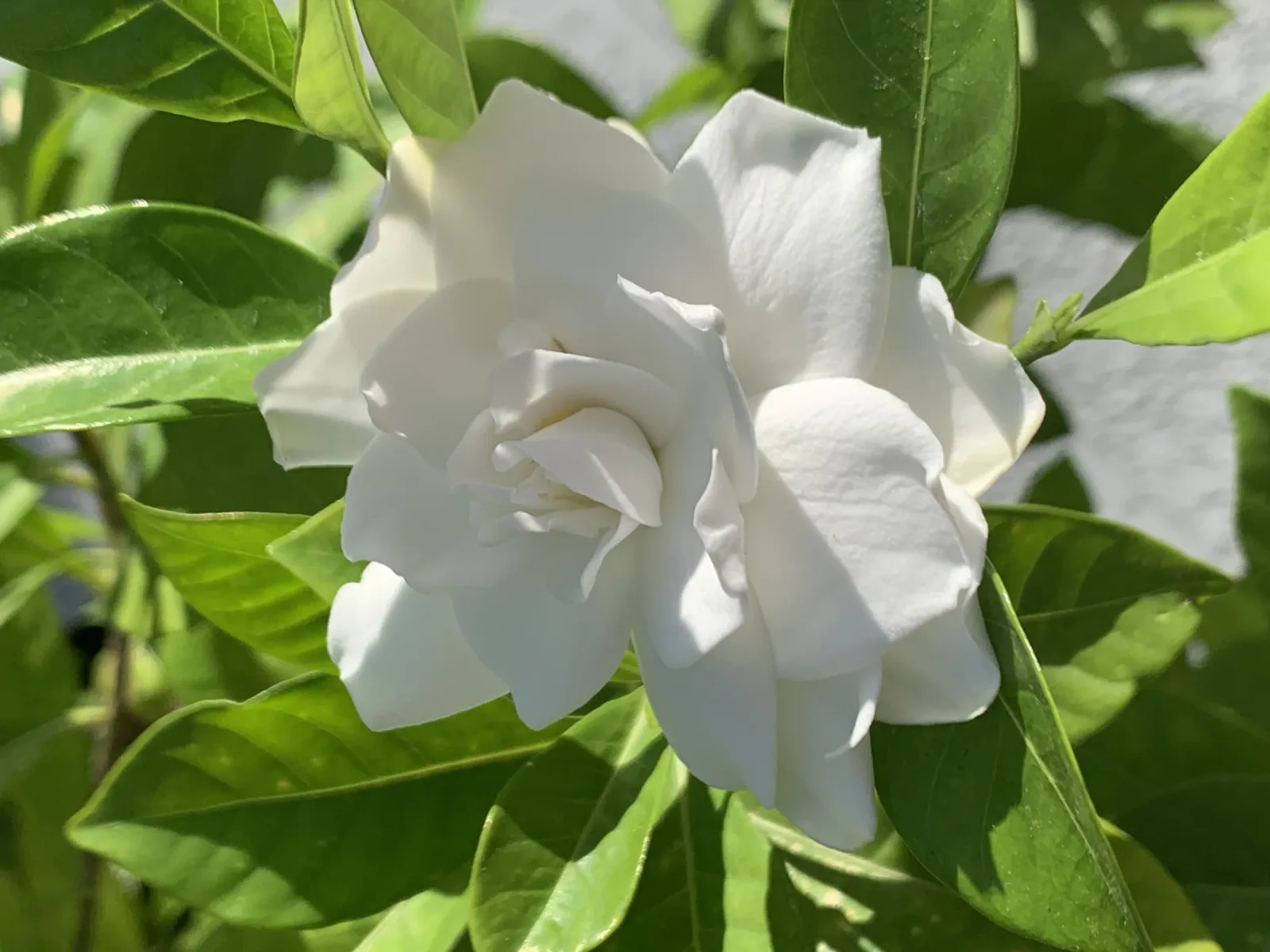
| ☀️ Light | Medium light |
|---|---|
| 💧 Water | Moderate (lightly moist) |
| 🪴 Soil | Humus-rich acidic soil with good drainage |
| 🐾 Safety | Cats: not verified · Dogs: not verified |
| 📏 Mature size | 1.5 m |
Where It Grows & Climate Tolerance
Pet & Companion Animal Toxicity (Gardenia in Australia)
Not yet verified: Toxicity status for cats, dogs, and horses has not yet been confirmed against veterinary poison-control records. Keep out of reach of pets or consult your veterinarian.
A fragrant evergreen shrub for warm, sheltered Australian gardens and containers.
Care instructions
Care Guide & Maintenance Routine
Give filtered sun, acidic draining soil and regular moisture. Shelter from frost and hot dry wind.
Light & Sunlight
Bright light or part shade; shield from strong hot afternoon sun.
Watering Schedule
Keep soil evenly moist during growth, but never saturated. Reduce watering in cooler periods.
Potting Mix & Drainage
Humus-rich acidic soil with good drainage
Temperature & Humidity
Frost tender; protect in cool inland and southern districts. Warm humid conditions favour growth.
In warm Australian gardens, gardenias bring fragrant white blooms from spring into autumn. A cultivar choice matters for size and flowering time. Pick a sheltered location with bright light but relief from fierce afternoon sun.
Use humus-rich acidic soil that drains freely. Keep the root zone evenly moist in active growth; neither bone-dry nor soggy conditions suit this plant. In alkaline soil, grow in a container with acidic potting mix. Feed lightly with an acid-loving plant product in the growing season.
Gardenias are frost tender. In cool districts, move pots to a protected spot when cold nights threaten. If buds drop or leaves yellow, review light, watering, temperature and soil pH before treating.
Seasonal rhythm
Seasonal Calendar
| Month | Care Tasks | Seasonal Focus |
|---|---|---|
| Jan | Routine check | Water during summer heat; protect from harsh afternoon sun. |
| Feb | Routine check | Keep roots moist but drained; inspect for scale. |
| Mar | Routine check | Trim lightly after flower flushes; check pH if leaves yellow. |
| Apr | Routine check | Reduce feeding as weather cools. |
| May | Routine check | Shelter pots from early frost in cool districts. |
| Jun | Routine check | Check cold protection; water less in slow growth. |
| Jul | Routine check | Avoid wet, cold roots and protect from frost. |
| Aug | Routine check | Prepare spring feeding when growth resumes. |
| Sep | Routine check | Repot cramped containers and refresh acidic mix. |
| Oct | Routine check | Water actively growing plants; watch new buds. |
| Nov | Routine check | Enjoy scented flowers; remove faded blooms. |
| Dec | Routine check | Keep mulch and moisture steady as heat builds. |
Diagnostics
Common Problems & Troubleshooting
Yellow leaves from high pH or root stress; bud drop after moisture or temperature swings; frost injury.
Pests & seasonal watch: Check scale, aphids and mites. Yellow foliage may reflect root stress or unsuitable soil pH.
Care encyclopedia · 1 guide
Guides & Articles for Gardenia in Australia

Similar Botanical Matches
Keep exploring
Related plants
Grower field notes
Reader Field Notes in Australia
Share how this plant performs in your local Australia climate.