
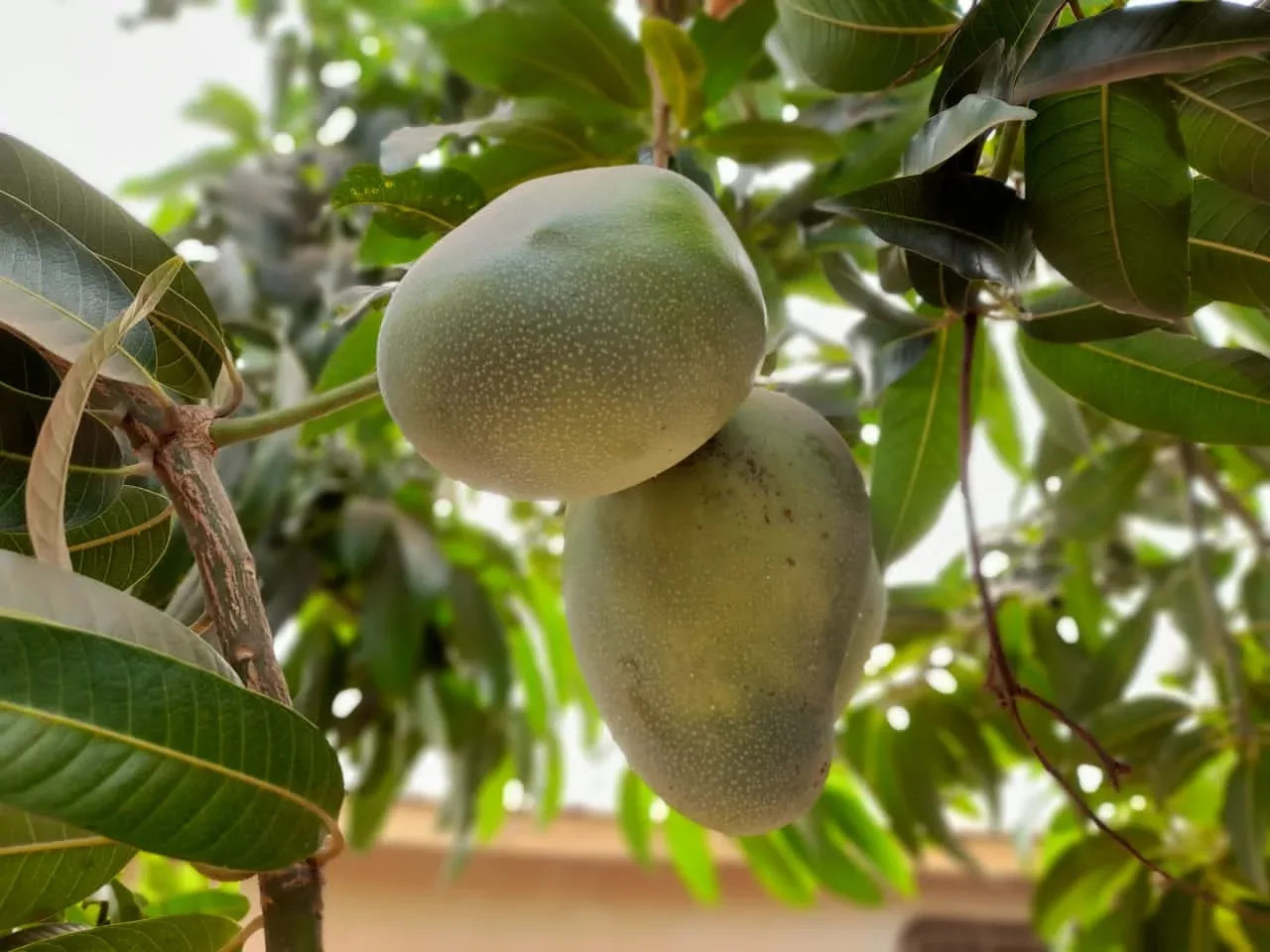
| ☀️ Light | Full sun |
|---|---|
| 💧 Water | Moderate (lightly moist) |
| 🪴 Soil | Free-draining loam or a coarse container mix for fruit trees |
| 🐾 Safety | Cats: not verified · Dogs: not verified |
Where It Grows & Climate Tolerance
Pet & Companion Animal Toxicity (Mango Tree)
Not yet verified: Toxicity status for cats, dogs, and horses has not yet been confirmed against veterinary poison-control records. Keep out of reach of pets or consult your veterinarian.
A mango tree needs warmth, strong light and soil that drains after rain. Choose a compact grafted variety if you want fruit from a small space. A seed from supermarket fruit is an inexpensive way to grow foliage.
Care instructions
Care Guide & Maintenance Routine
Give mangoes the sunniest warm position available. Keep the root ball moist while a young tree settles in, then check moisture before watering. Protect young plants from frost and leave enough room for their mature canopy.
Light & Sunlight
A fruiting mango needs direct sun. Acclimate young leaves gradually when moving an indoor or nursery plant outside.
Watering Schedule
Water deeply after planting and check the root ball during dry spells. Let the surface begin to dry before watering a container again.
Potting Mix & Drainage
Free-draining loam or a coarse container mix for fruit trees
Temperature & Humidity
Mango is a warm-climate tree. Protect young growth from frost and avoid cold windows or persistent cold, wet soil.
A mango tree needs warmth, strong light and soil that drains after rain. Choose a compact grafted variety if you want fruit from a small space. A seed from supermarket fruit is an inexpensive way to grow foliage.
Choose a tree for the space
Read the cultivar label and ask how large the tree becomes without pruning. A compact grafted mango gives you a known fruit variety and a more predictable canopy. A seedling can take years to mature and its fruit may differ from the parent.
Plant at the right depth
Give the roots a place where water moves through. Set the top of the root ball at the surrounding grade and keep the graft above soil. When growing in a pot, use a container with open drainage holes. Keep mulch away from the trunk.
Water through establishment
Check the soil beneath the surface rather than following a fixed watering day. New trees dry faster than established garden trees. During an active flush, young leaves can naturally emerge bronze or reddish before turning green.
Prune and check disease
Train a young tree to a small, open framework. Where fruiting is reliable, prune lightly after harvest and give cuts time to harden before the next bloom. In rainy climates, watch flower panicles for darkening and remove fallen fruit.
Sources
- National Horticulture Board India • Mango
- UF/IFAS Extension • Mango in the home landscape
- ABC Gardening Australia • Mango anthracnose
Featured photo by daSupremo via Wikimedia Commons, CC BY-SA 4.0. Resized for display.
Seasonal rhythm
Seasonal Calendar
A month-by-month calendar for Mango Tree in Global is coming soon. See the light, water and temperature notes above.
Diagnostics
Common Problems & Troubleshooting
Black marks on blossoms and leaves can indicate anthracnose, especially in wet weather. Check drainage and the trunk base if a tree wilts while the soil is damp.
Q&A
Frequently Asked Questions
Can a mango tree grow in a container?
Yes. Choose a compact grafted cultivar and give it direct sun, warmth and a draining pot. Trees kept indoors year-round seldom get the light and space needed to fruit.
Will a mango seed produce the same mango?
A seedling may differ from the parent and often takes longer to bear fruit. If you want a named cultivar, buy a correctly labelled grafted plant.
Why do mango tree leaves turn black?
Black patches can come from fungal disease, cold injury or other stress. Check whether the patches develop during wet weather and also affect flowers or young fruit.
Similar Botanical Matches
Keep exploring
Related plants

Grower field notes
Reader Field Notes in Global
Share how this plant performs in your local Global climate.