
| ☀️ Light | Bright indirect light |
|---|---|
| 💧 Water | Moderate (lightly moist) |
| 🪴 Soil | Airy aroid mix with potting compost, orchid bark and perlite |
| 🌡️ Temp | 15°C – 30°C |
| 🐾 Safety | Cats: toxic · Dogs: toxic |
| 📏 Mature size | 90 cm |
Where It Grows & Climate Tolerance
Pet & Companion Animal Toxicity (Philodendron Gloriosum Care in India: Soil and Watering)
A slow-growing foliage plant with velvet heart-shaped leaves. Give the creeping stem space, bright filtered light and an airy root zone.
Care instructions
Care Guide & Maintenance Routine
Light: bright indirect. Water: after the top 2–3 cm dries and the pot becomes lighter. Mix: airy indoor potting mix with bark and perlite. Temperature: preferably 18–28°C, above 15°C. Keep the creeping stem at the surface. Toxic if chewed.
Light & Sunlight
Bright filtered daylight; a sheer curtain can protect a south- or west-facing room. Avoid intense direct sun on velvet leaves. Low light slows an already slow plant and keeps the mix wet longer.
Watering Schedule
Let the top 2–3 cm of the mix dry and check that the pot is becoming lighter. Water thoroughly, drain and empty the cover pot. Do not dry the entire root ball repeatedly. Cloudy monsoon weather, low light and cold winters often lengthen the interval.
Potting Mix & Drainage
Airy aroid mix with potting compost, orchid bark and perlite
Temperature & Humidity
Aim for 18–28°C, and protect before nights fall below roughly 15°C. Keep clear of cold glass, AC outlets and hot balcony wind. The 15–30°C card range describes routine sheltered management, not an exact survival threshold.
Philodendron gloriosum care is easier when its creeping stem has space. Give bright filtered light, an airy mix and thorough watering after the top 2–3 cm dries. Keep the thick horizontal stem at the growing surface rather than burying it in damp compost.
What Makes Gloriosum Different?
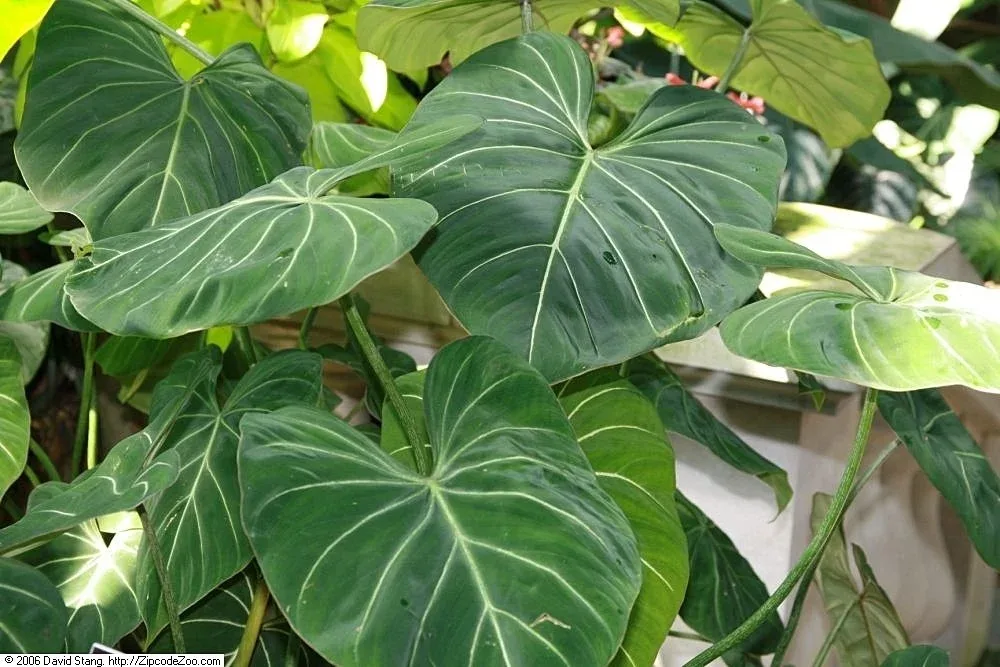
Philodendron gloriosum is a slow-growing aroid from Colombia. Its broad, velvet-textured leaves have prominent pale veins. Leaves rise on individual stalks while the main stem travels horizontally. A draining planter with room ahead of the growing tip often suits it better than a tall narrow pot.
Indoor size varies with age and growing conditions; roughly 60–90 cm in height is a useful space allowance rather than a guaranteed mature size. Do not confuse it with Philodendron ‘Glorious’, a different climbing hybrid. A moss pole is not the main space solution for this creeping species.
How Often to Water Philodendron Gloriosum
Check the upper 2–3 cm of mix and lift the pot. If the surface layer is dry and the container is becoming lighter, water the whole root ball until water drains. Empty the saucer. If the mix is still damp, wait and check again instead of watering to match a calendar.
Small pots in warm bright rooms dry faster than large pots under low light. Monsoon cloud, a damp enclosed room and chilly winter conditions can all slow drying. If leaves yellow while the mix stays wet, inspect roots and drainage; adding more water may worsen the problem.
Soil and the Right Container
Use a loose aroid mix. Equal parts quality potting mix, small orchid bark and perlite are a starting recipe, not a universal formula. Check how the mix behaves after watering and adjust for your home. Fine garden soil that remains dense and wet is harder to manage.
Set roots into the medium while leaving the upper creeping stem exposed. Choose a stable pot with drainage holes and room for the tip to advance. A rectangular planter can be convenient. Repot when the stem reaches the edge, roots are crowded or the mix breaks down, rather than increasing pot size on a fixed annual date.
Light, Temperature and Humidity in India
Try a bright east-facing window or a filtered position in a south-facing room. Harsh afternoon sun can mark velvet leaves. A dim office corner tends to mean smaller, slower growth and longer watering intervals. Keep the plant away from AC outlets and avoid frequent moves while a leaf is opening.
A comfortable target is 18–28°C, with shelter before temperatures fall below about 15°C. North Indian winter nights may require an indoor move even if daytime weather is pleasant. During peak summer, protect from hot glass and drying wind. Moderate to high humidity helps; around 50–70% with airflow is a practical target where the room permits it.
Feeding, Leaf Care and Propagation
Feed a healthy, actively growing plant with dilute balanced houseplant fertiliser about monthly. Stop during cool or dim slow-growth periods. More fertiliser does not turn this naturally slow plant into a fast grower. Use plain water to rinse accumulated salts when the mix and pot drain properly.
Handle soft new leaves gently and do not pull open a stuck unfurling leaf. Avoid leaf-shine sprays and vigorous rubbing. Remove only dead foliage with clean tools and wear gloves. For propagation, a cutting needs a stem node, ideally with roots; a detached leaf and its stalk alone will not grow a complete plant.
Common Problems and Seasonal Care
- Yellow leaves and a wet pot: inspect for root rot and improve the drying pattern.
- Soft, dark creeping stem: check planting depth and stem rot; do not bury healthy tissue more deeply.
- Speckles, webbing or damaged new leaves: isolate and check for mites or thrips.
- Brown tips: review salt build-up, dry spells and hot exposure before changing several things at once.
Use warm spring growth for optional repotting in India. During the monsoon, keep rain out of cover pots and maintain air movement. In Canadian homes, protect from furnace drafts and cold glass; Australian growers should match care to local warmth and dry winds rather than following Indian months.
Uses and Pet Safety
This is a foliage specimen for a bright room with enough display space. It is toxic if chewed: philodendrons contain irritating calcium oxalate crystals. Keep away from cats, dogs and small children. Do not describe it as a health treatment or rely on it to clean room air. For a different leaf shape, compare Monstera deliciosa care.
Sources and editorial note
Care and plant identity sources checked on 21 November 2026. The month-by-month advice is adapted for Indian container growing; local weather and indoor conditions take priority over the date.
- Singapore NParks: Philodendron gloriosum
- Kew: Philodendron gloriosum identity and creeping stem description
- RHS: growing philodendrons
- NC State Extension: philodendron care and toxicity
- Chicago Botanic Garden: Philodendron gloriosum
Photo Credit
Photo by Photo by David J. Stang via Wikimedia Commons, CC BY-SA 4.0. Resized and converted for web use; the adapted image is shared under the same licence.
Seasonal rhythm
Seasonal Calendar
| Month | Care Tasks | Seasonal Focus |
|---|---|---|
| Jan | Routine check | Keep the pot warm and away from cold glass. Wait for the top layer to dry; pause feed if growth is slow. |
| Feb | Routine check | Inspect roots only if symptoms justify disturbance. Check the growing tip and keep it clear of drafts. |
| Mar | Repot | Repot an outgrown planter or divide a strong rooted stem during warm active growth; leave the stem surface exposed. |
| Apr | Fertilize | Feed lightly if leaves and roots are growing. Give filtered light and space ahead of the creeping tip. |
| May | Routine check | Protect velvet leaves from hot sun and drying wind. Check moisture more frequently without keeping the mix soggy. |
| Jun | Routine check | As rains begin locally, empty cachepots and adjust watering to slower drying under cloud cover. |
| Jul | Routine check | Watch for root or stem softness during persistent wet weather. Improve airflow and keep the crown uncovered. |
| Aug | Fertilize | Feed only with active growth and healthy roots. Inspect leaf undersides for mites, thrips and mealybugs. |
| Sep | Fertilize | Check whether the stem is approaching the planter edge. Feed lightly if growth continues; avoid unnecessary wet-season disturbance. |
| Oct | Routine check | Reduce feeding as northern homes cool; southern plants may remain active. Recheck drying time before watering. |
| Nov | Routine check | Bring exposed plants into a bright sheltered room before chilly nights; keep leaves off cold glass. |
| Dec | Routine check | Avoid optional cuttings in cool conditions. Keep the creeping stem dry on top and pause feed in slow growth. |
Diagnostics
Common Problems & Troubleshooting
Yellowing with wet mix: root stress. Soft black stem: possible rot from deep planting or saturation. Small slow leaves: check light and roots. Torn unfurling leaves: dry air, physical handling or pests. Brown tips can also reflect salts or uneven watering.
Pests & seasonal watch: Inspect leaf undersides, veins and new growth for spider mites, thrips and mealybugs. Isolate affected plants. Handle soft new leaves carefully and test any labelled treatment on a small area first.
- Yellow leaves — Leaves fade from green to yellow, often starting at the bottom.
- Root rot — Roots turn brown and mushy in soil that stays wet.
- Mealybugs — White cottony clumps in leaf joints, often with sticky honeydew.
- Spider mites — Fine webbing and pale speckled leaves, worse in dry heated rooms.
- Overwatering — Soil stays wet, leaves yellow or droop, and the pot feels heavy.
- Stem rot — The stem goes soft, dark or black at soil level and the top collapses.
Care encyclopedia · 3 guides
Guides & Articles for Philodendron Gloriosum Care in India: Soil and Watering
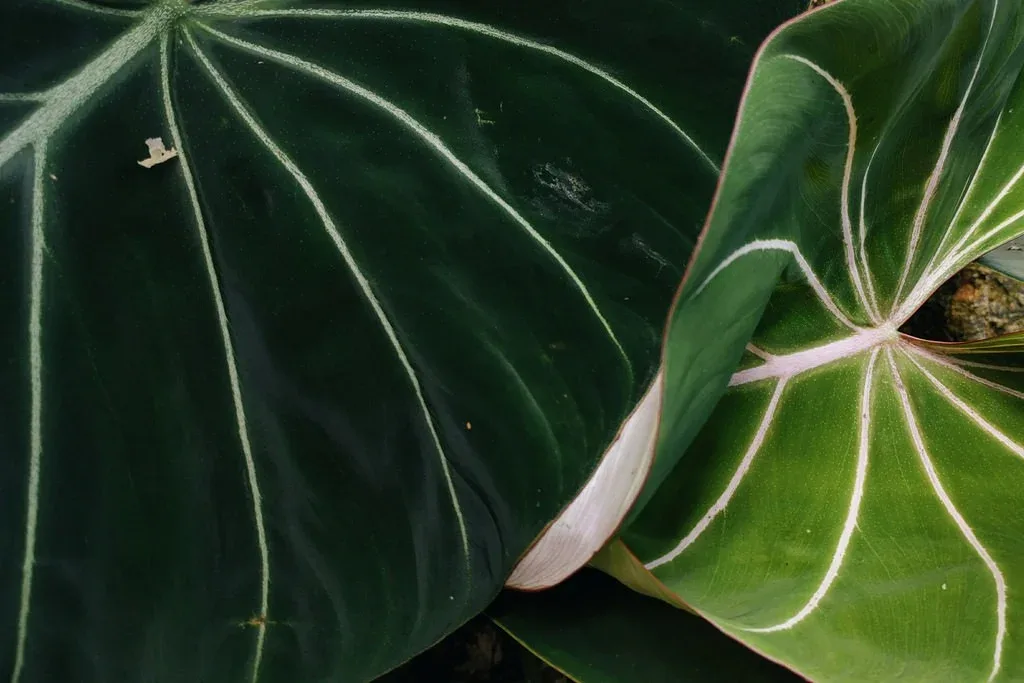
How to Propagate Philodendron Gloriosum: Keep a Stem Node
A leaf and its stalk are not enough. Find the thick main stem, keep a healthy node and use an airy mix that supports the roots.
Read guide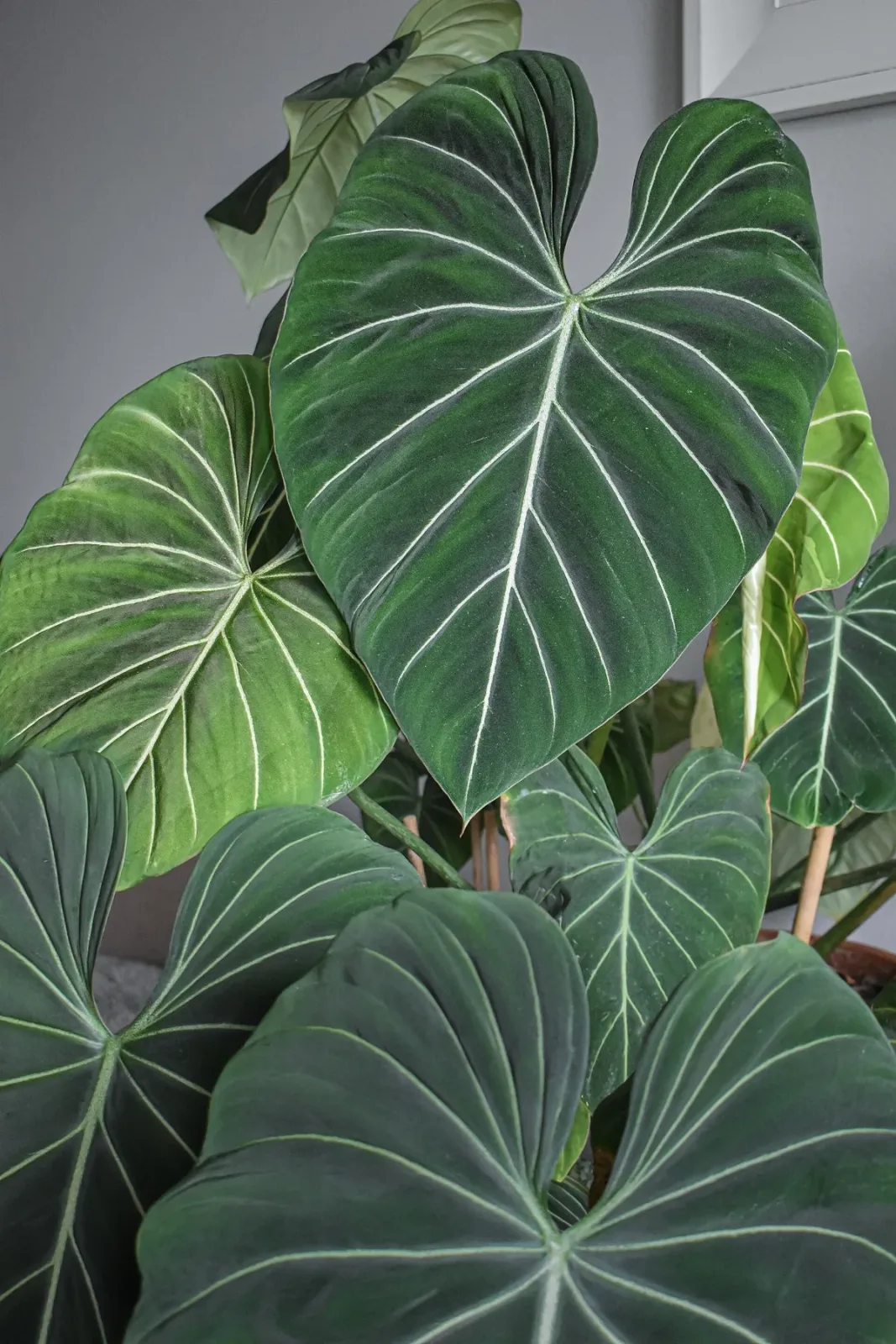
Philodendron Gloriosum Soil and Potting: Keep the Stem at the Surface
Gloriosum grows along the mix surface. Give the roots a draining home and leave space ahead of the thick stem instead of burying it.
Read guide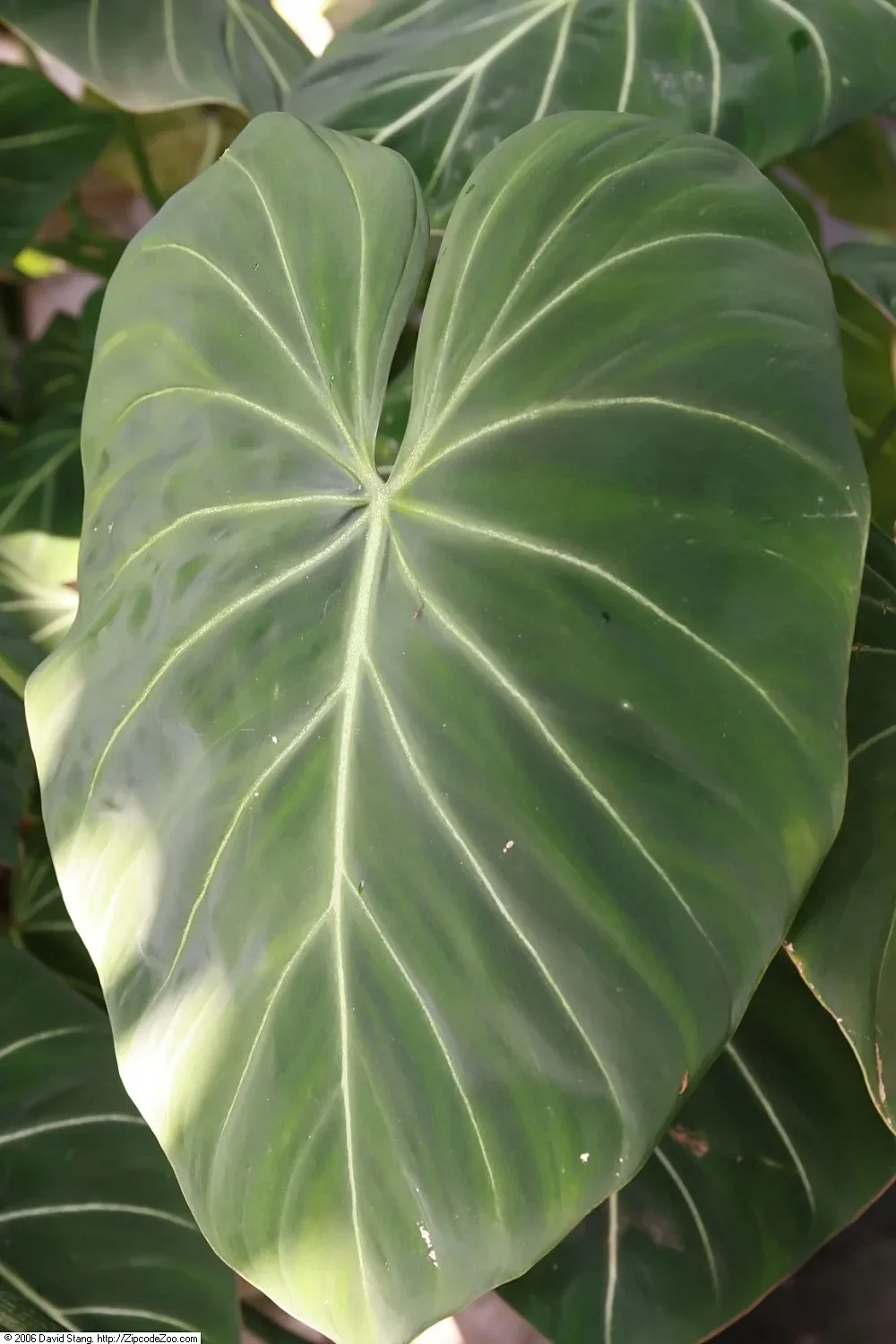
Philodendron Gloriosum Leaves Turning Yellow: Start With the Roots
Yellow leaves do not all need more feed. Check which leaves are changing, how wet the pot is and whether the creeping stem is firm.
Read guideQ&A
Frequently Asked Questions
How often should I water Philodendron gloriosum?
Water after the top 2–3 cm of mix dries and the pot becomes lighter, then soak the root ball evenly and drain. A small warm pot dries sooner than a large dimly lit one. Monsoon weather and cold winters usually require longer gaps.
Does Philodendron gloriosum need a moss pole?
Its thick stem normally creeps horizontally along the growing surface. Give it room in a stable draining planter and keep the stem from being buried. A pole does not solve limited horizontal space. Check the label because Philodendron ‘Glorious’ is a different climbing plant.
What soil is best for gloriosum?
Use a loose mix with moisture-holding potting compost plus coarse ingredients such as small bark and perlite. Equal parts are a starting point, adjusted to your home. Drainage holes are essential. Dense wet soil around a deeply buried creeping stem increases the risk of rot.
Why are the leaves turning yellow?
Check the mix and roots first. Yellowing with persistent wetness can mean root stress, while severe drying also damages leaves. An occasional old leaf may age naturally. Inspect for pests and review light before feeding more or changing several care factors at once.
How fast does Philodendron gloriosum grow?
It is generally slow, especially in low light or cool rooms. New-leaf timing varies with root health, maturity, warmth and light, so a fixed leaves-per-month promise is unreliable. Provide steady filtered light and moderate feeding rather than trying to force growth with concentrated fertiliser.
Can I propagate gloriosum from a leaf?
A leaf with only its stalk is insufficient. A viable cutting needs part of the main stem with a node and preferably established roots. Divide a healthy plant during warm active growth, use clean tools and keep the creeping stem at the surface of an airy medium.
Is Philodendron gloriosum toxic to pets?
Yes. Treat it as toxic to cats and dogs if chewed, consistent with the calcium oxalate hazard in philodendrons. NParks also flags this exact species as toxic upon ingestion. Keep it away from pets and children, wear gloves when cutting and wash sap off skin.
Can it grow on an Indian balcony?
A warm, roofed balcony with filtered light may work if the plant is protected from hard sun, heavy rain and wind. Bring it into shelter before chilly North Indian nights. In the monsoon, make sure water cannot collect inside the planter or cover pot.
Similar Botanical Matches
Keep exploring
Related plants

Grower field notes
Reader Field Notes in India
Share how this plant performs in your local India climate.