
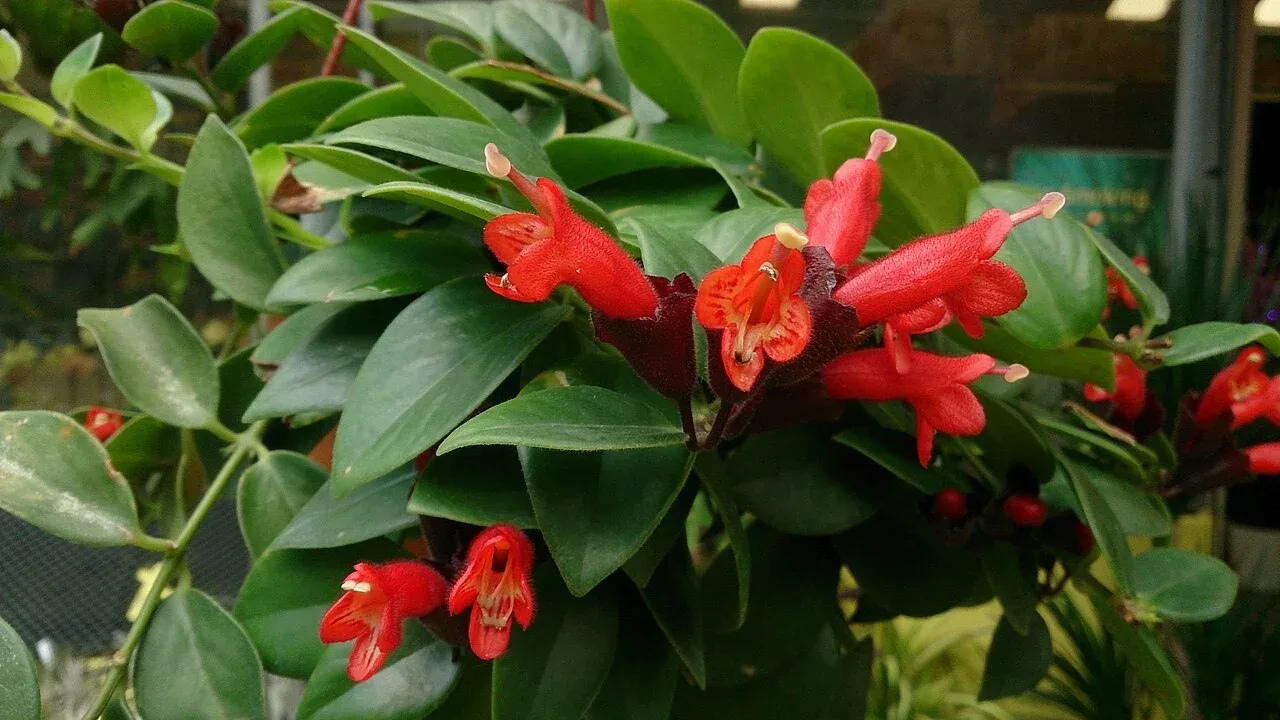
| ☀️ Light | Bright indirect light |
|---|---|
| 💧 Water | Moderate (lightly moist) |
| 🪴 Soil | Airy peat-free indoor mix with bark and perlite |
| 🌡️ Temp | 15°C – 30°C |
| 🐾 Safety | Cats: not verified · Dogs: not verified |
| 📏 Mature size | 60 cm |
Where It Grows & Climate Tolerance
Pet & Companion Animal Toxicity (Lipstick Plant Care in India: Watering, Light and Flowers)
Not yet verified: Toxicity status for cats, dogs, and horses has not yet been confirmed against veterinary poison-control records. Keep out of reach of pets or consult your veterinarian.
A trailing tropical houseplant with waxy foliage and red tubular flowers. Give it bright filtered light, an airy mix and careful watering.
Care instructions
Care Guide & Maintenance Routine
Light: bright indirect. Water: when the top 2–3 cm of mix feels dry, then water through and drain. Soil: airy, moisture-retentive indoor mix with bark and perlite. Temperature: aim for 18–27°C and keep above 15°C.
Light & Sunlight
Bright filtered light near an east-facing window or behind a sheer curtain. Too little light reduces flowering. Acclimatise carefully to mild morning sun; avoid hot afternoon rays.
Watering Schedule
Water when the top 2–3 cm feels dry and the pot is becoming lighter. Wet all of the root ball and drain fully. A warm bright room may need water around weekly, but cool or cloudy rooms can need a longer gap. Test the mix every time; never leave water in a cachepot.
Potting Mix & Drainage
Airy peat-free indoor mix with bark and perlite
Temperature & Humidity
Aim for 18–27°C; keep above about 15°C for routine houseplant care. Protect from North Indian winter cold and leaf contact with chilly glass. Brief survival outside this range is not the same as good growth.
For reliable lipstick plant care, start with light and drainage. Give bright filtered daylight, water after the top 2–3 cm of mix dries and keep the root ball warm. A plant that grows leaves but never flowers often needs a brighter position before it needs more fertiliser.
What Is a Lipstick Plant?
Aeschynanthus radicans is a tropical trailing plant with glossy green leaves and red tubular flowers. It suits a hanging basket or a raised shelf where light reaches the top of the pot. Trails may reach roughly 30–60 cm or more; the care-card height is an approximate container dimension, not an upright trunk height.
Other Aeschynanthus species and hybrids also carry the lipstick plant name. Flower shape, leaf curl and seasonal behaviour vary, so retain the nursery label rather than assuming every variety is identical.
How Often to Water Lipstick Plant
Push a finger into the mix and lift the pot. When the upper 2–3 cm is dry and the basket feels lighter, water thoroughly until excess runs out. Let it drain before replacing a cover pot. Do not allow the whole root ball to become bone dry, but do not keep topping up already damp mix.
A warm, bright indoor basket may need watering around weekly; a cooler or cloudier room can need a longer gap. This is only a starting observation. Check more often in a small hanging pot during peak summer, and less often during monsoon cloud or North Indian winter slow-down. Hanging baskets can hide standing water inside decorative liners.
Light, Temperature and Flowering
Try an east-facing window or a bright south-facing room with a sheer curtain. Light should reach the foliage without hot afternoon sun burning it. A deep north-facing room may sustain the plant but give poor flowering. Move gradually when improving the light.
Keep it around 18–27°C where possible and above about 15°C for everyday care. Avoid cold glass, AC outlets and hot balcony walls. Flowering depends on maturity, light and cultivar as well as season; it is not guaranteed by a particular month or fertiliser.
Soil, Potting and Fertiliser
Use a draining pot and an airy indoor mix. Two parts quality peat-free potting mix with one part fine bark and one part perlite is a practical starting recipe, adjusted to how quickly it dries in your home. Dense garden soil and an oversized wet pot make watering harder to judge.
Repot a crowded plant during warm spring growth, often March–April in much of India. Increase the pot width by about 2–3 cm. A healthy plant may go two or three years before needing a move. Give half-strength balanced liquid feed about monthly while actively growing; pause feeding when growth slows.
Pruning, Cuttings and Indian Seasons
After a flowering flush, trim straggly shoots to encourage a fuller basket. Repeatedly clipping all shoot tips can remove developing buds. Root a healthy non-flowering stem cutting with a node in a lightly moist propagation mix. Keep it warm with humid air and ventilation; a detached leaf alone is not the usual method.
In coastal monsoon conditions, keep leaves away from wet surfaces and protect the basket from repeated downpours. In dry inland homes, a humidifier can help if humidity is consistently low. Misting is brief and does not replace root watering. Canadian furnace heat and Australian dry summer air call for the same checks of humidity, light and pot moisture, using local seasons.
Common Problems
- No flowers: improve filtered daylight and review pruning before increasing feed.
- Yellow leaves with wet soil: check for overwatering and drainage problems.
- Sudden leaf drop: look for cold drafts, a recent move or a root ball that dried completely.
- Cottony insects: isolate and check for mealybugs, especially at leaf joints.
Uses and Safety
This is an ornamental flowering basket plant, with no need for exaggerated health claims. Keep it above comfortable viewing height only if you can still check the soil safely. An exact-species veterinary safety classification was not verified: ASPCA’s Lipstick Plant page names Aeschynanthus humilis, not A. radicans. Discourage pets and children from chewing it. Compare string of hearts care when choosing another trailing plant.
Sources and editorial note
Care and plant identity sources checked on 21 November 2026. The month-by-month advice is adapted for Indian container growing; local weather and indoor conditions take priority over the date.
- NC State Extension: Aeschynanthus radicans
- RHS: lipstick plant cultivation
- ASPCA lipstick plant entry: Aeschynanthus humilis, not A. radicans
Photo Credit
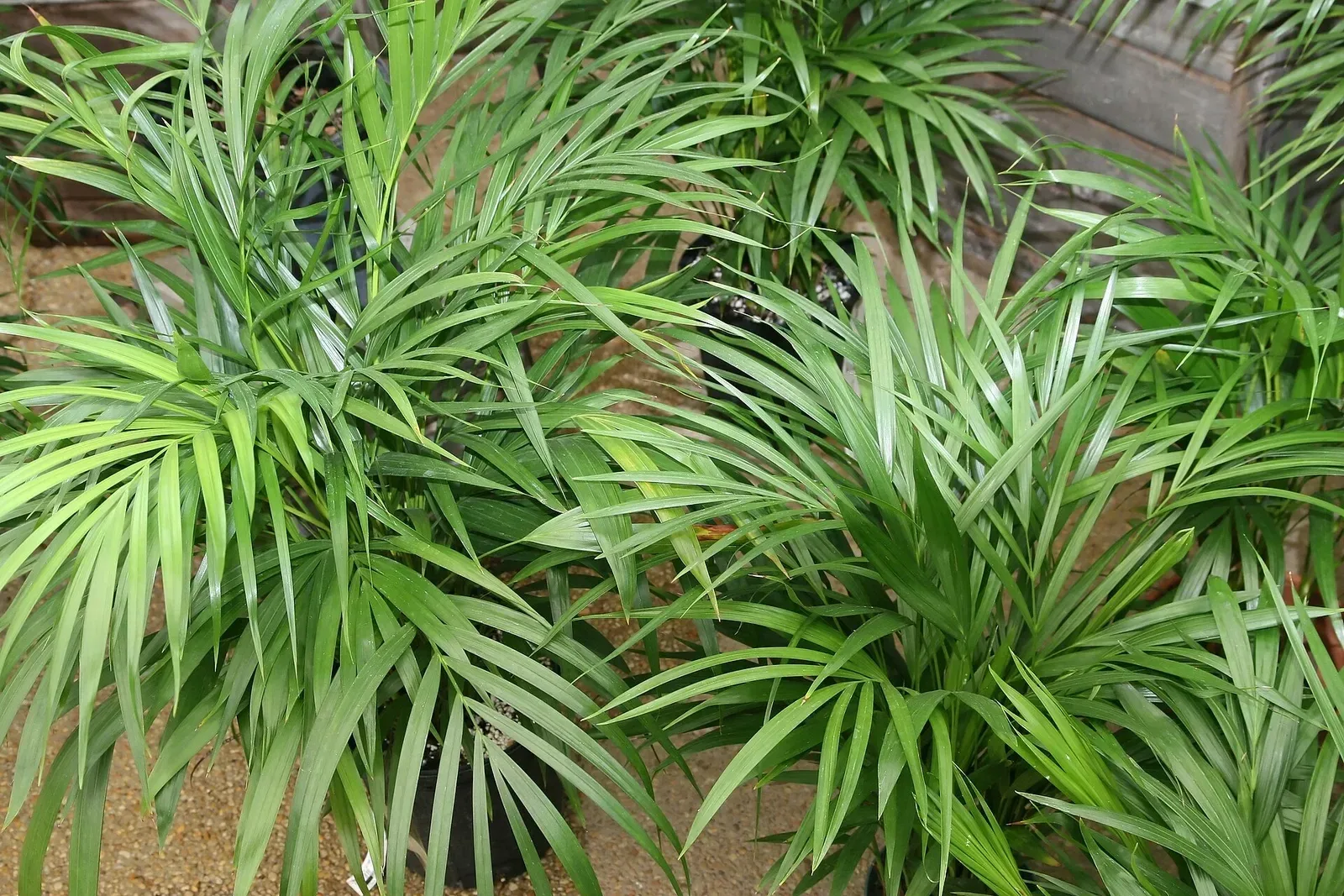
Photo by Mokkie via Wikimedia Commons, CC BY-SA 3.0. Resized and converted for web use; the adapted image is shared under the same licence.
Seasonal rhythm
Seasonal Calendar
| Month | Care Tasks | Seasonal Focus |
|---|---|---|
| Jan | Routine check | Keep away from cold window glass in North India. Let the top 2–3 cm dry before watering; feed only if genuinely growing. |
| Feb | Routine check | Look for new shoots as light improves. Inspect leaf joints for mealybugs before moving other plants nearby. |
| Mar | Repot | Repot a root-bound plant or take non-flowering cuttings once warm growth resumes; avoid oversized baskets. |
| Apr | Fertilize | Start dilute monthly feed with active growth. Give bright filtered light and check developing buds before pruning. |
| May | Routine check | Protect from hot glass and afternoon balcony sun. Check light baskets more frequently for drying. |
| Jun | Routine check | With local monsoon onset, empty cover pots promptly and keep leaves away from continually wet surfaces. |
| Jul | Routine check | Maintain airflow through the trailing stems. Inspect for aphids, mealybugs and mould during wet weather. |
| Aug | Fertilize | Feed only if the plant is actively growing; do not water merely because a week has passed. |
| Sep | Fertilize | Keep a bright sheltered position as rains ease. Trim straggly stems after flowering rather than removing buds. |
| Oct | Routine check | Review soil drying as nights cool in northern regions; South Indian plants may continue flowering and growth. |
| Nov | Routine check | Bring exposed baskets indoors before cold nights. Keep clear of heaters and AC airflow. |
| Dec | Routine check | Pause feed in dim or cool rooms, check soil before watering and avoid cold-season optional repotting. |
Diagnostics
Common Problems & Troubleshooting
Few flowers: inadequate light or frequent tip pruning. Yellow lower leaves with wet mix: root stress or overwatering. Leaf drop: cold, abrupt changes or severe drying. Spots and mould: persistently wet foliage with poor airflow.
Pests & seasonal watch: Check shoot tips and leaf joints for aphids and mealybugs, and leaf undersides for mites. Isolate affected plants, remove visible pests and use a labelled houseplant treatment after testing a small area.
- Root rot — Roots turn brown and mushy in soil that stays wet.
- Mealybugs — White cottony clumps in leaf joints, often with sticky honeydew.
- Aphids — Clusters of small soft insects on new tips, often sticky.
- Overwatering — Soil stays wet, leaves yellow or droop, and the pot feels heavy.
- Leaf drop — Many leaves fall in a short time, sometimes still green.
Care encyclopedia · 4 guides
Guides & Articles for Lipstick Plant Care in India: Watering, Light and Flowers
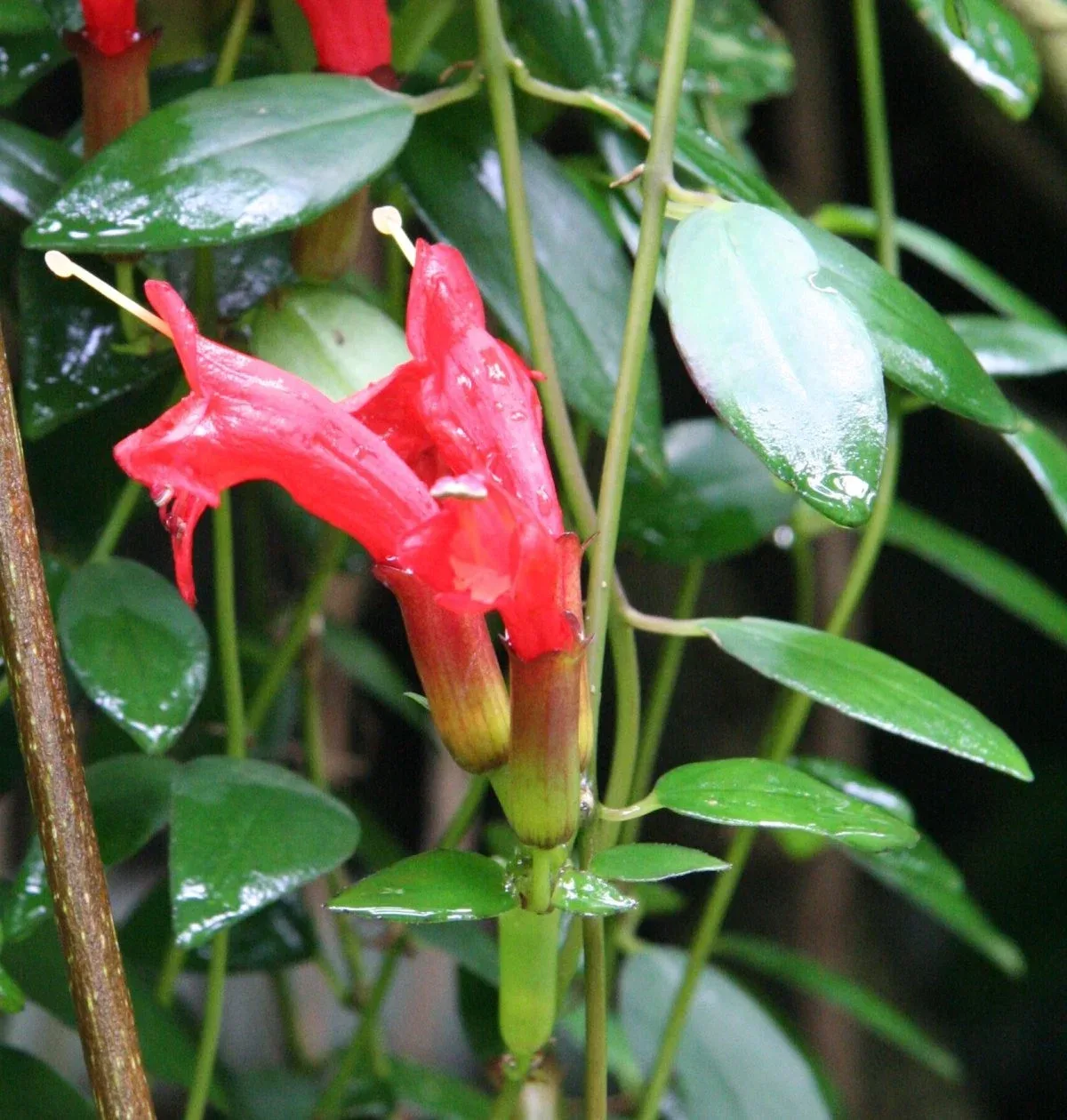
How to Water a Lipstick Plant: A Simple Soil Check
The top 2–3 cm of mix is a useful place to start. Check the pot’s weight too, then water the roots well and let the basket drain.
Read guide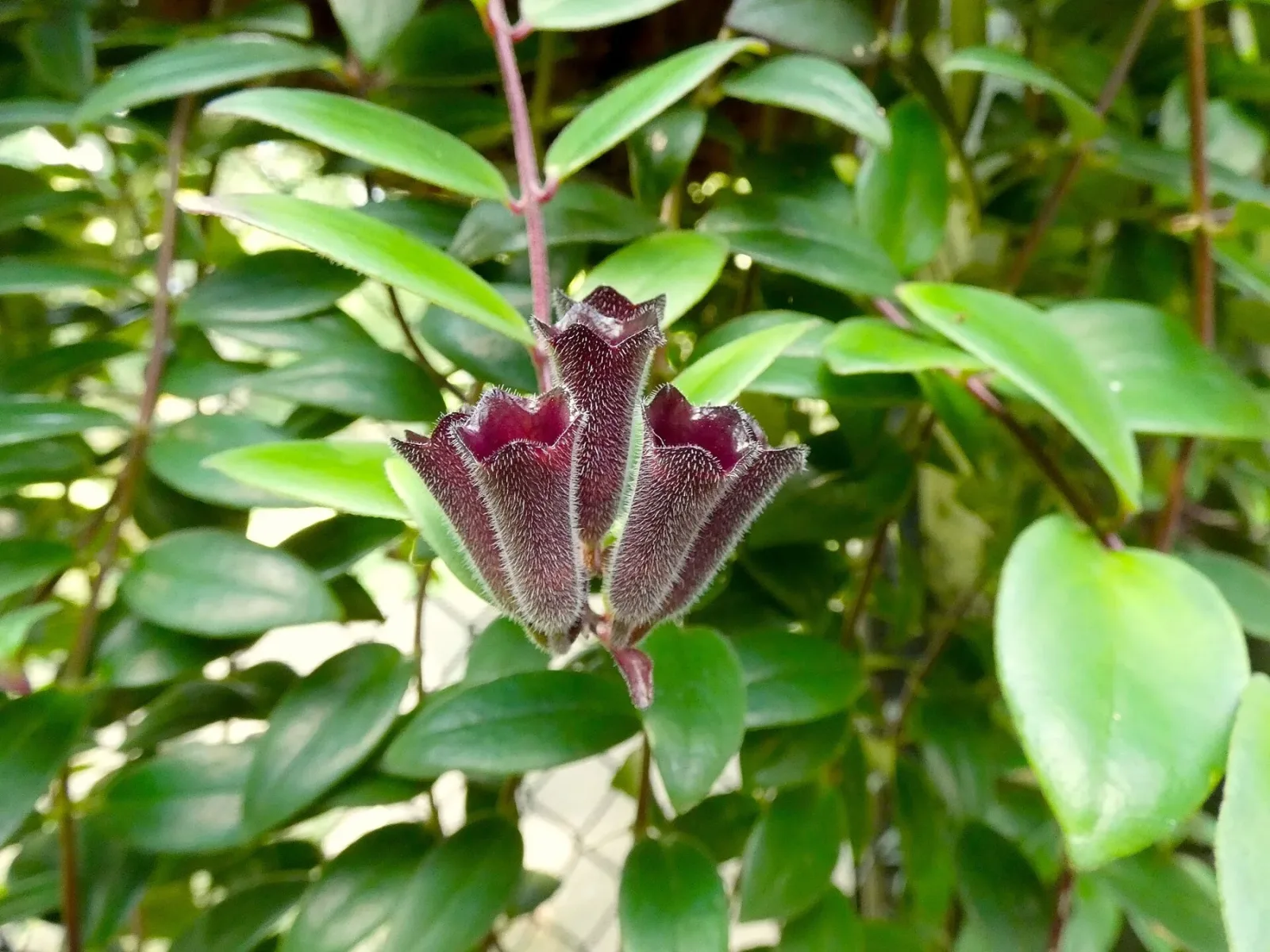
How to Grow a Lipstick Plant From Stem Cuttings
Use a healthy non-flowering shoot with several leaf joints. Keep a joint in lightly moist mix and give the cutting warmth and filtered light.
Read guide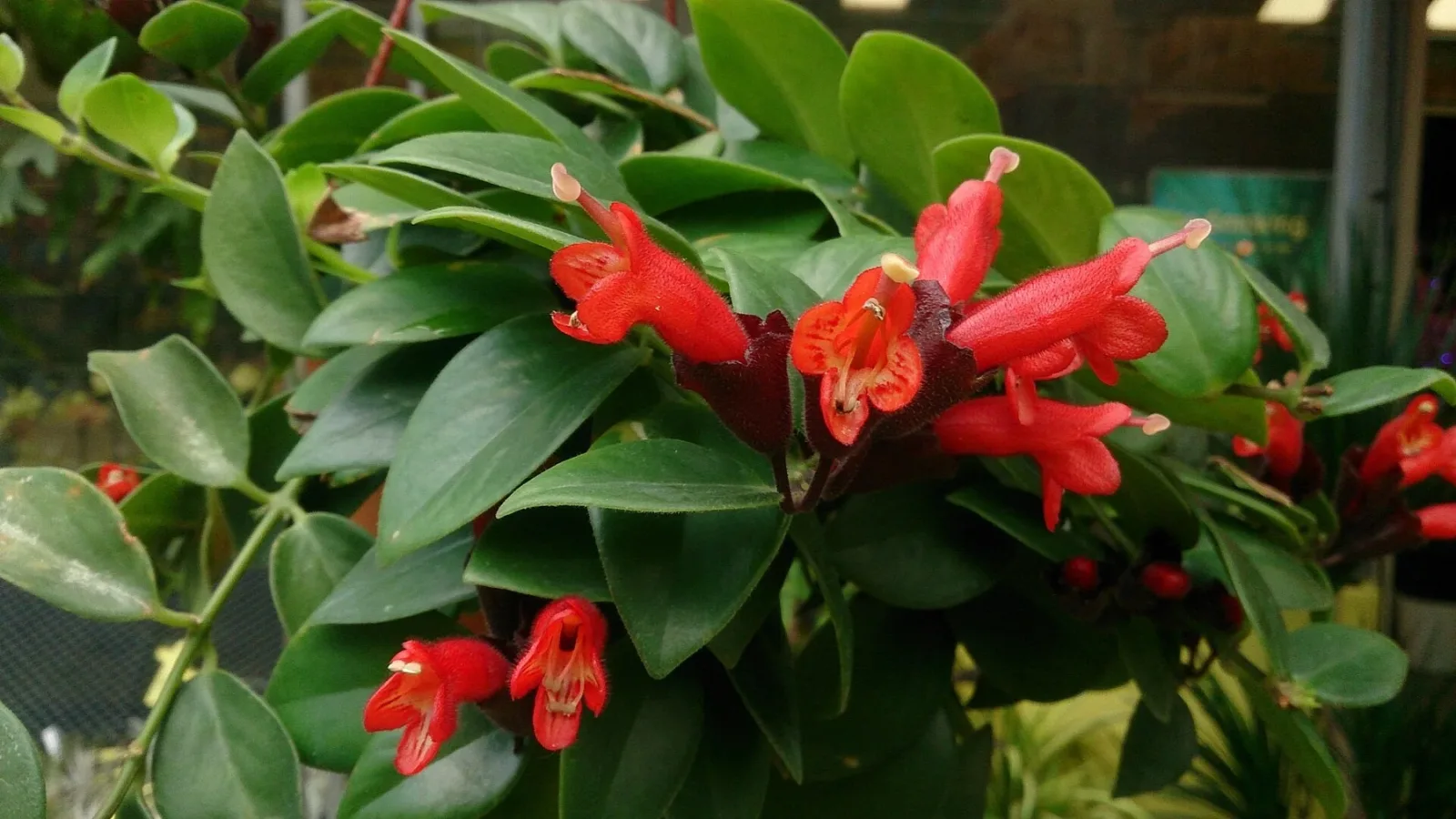
Lipstick Plant Not Flowering? Check Light Before Adding Feed
A leafy basket with no blooms needs a few careful checks. Start with the light reaching the top of the plant, then look at pruning and roots.
Read guide
12 Plants for a North-Facing Balcony in India, From Bright Shade to Deep Cover
Look up from the pot. A railing with open sky, a shelf under a chajja and a windy corner suit different plants. Here is what to grow in each spot.
Read guideQ&A
Frequently Asked Questions
How often should I water a lipstick plant?
Water when the top 2–3 cm of mix is dry and the basket feels lighter. A warm bright pot may need water around weekly, while cool or cloudy conditions stretch the interval. Water through the root ball and drain; the soil check takes priority.
Why is my lipstick plant not flowering?
Check light first: a dark room often gives foliage with few flowers. Move gradually into brighter filtered light, avoid overfeeding and do not repeatedly trim shoot tips where buds form. A young plant or a recently moved plant may also need time to settle.
Can lipstick plant take direct sun?
Gentle early-morning sun may work after gradual adjustment. Bright filtered daylight is a safer default in Indian homes. Strong afternoon sun through west-facing glass or on an exposed balcony can scorch the foliage, especially during peak summer heat.
What soil does a lipstick plant need?
Choose an airy potting mix that holds some moisture but drains readily. Fine bark and perlite can improve a quality indoor mix. Always use drainage holes. A small root system in a large dense pot stays wet too long and is more vulnerable to rot.
When should I repot lipstick plant in India?
Repot during warm active growth, often March–April after cold nights have passed. Do it when roots are crowded or the mix has broken down, not automatically each year. Choose a pot about 2–3 cm wider and avoid disturbing a plant during a heatwave.
Is lipstick plant safe for pets?
The exact-species safety classification for Aeschynanthus radicans was not verified here. ASPCA’s plant called Lipstick Plant is Aeschynanthus humilis. That entry should not be silently applied to every Aeschynanthus sold under the common name. Keep it away from chewing pets.
How do I propagate a lipstick plant?
Take a healthy non-flowering stem cutting with several nodes during warm growth. Remove lower leaves and place a node in a lightly moist, airy medium. Maintain warmth and humid air with ventilation. Rooting time varies, so wait for roots before potting it on.
Why are the leaves dropping?
Cold drafts, an abrupt move, very dry roots or persistently wet roots can all cause leaf drop. Check temperature and the root ball before watering again. Avoid moving the plant repeatedly; give it stable filtered light and allow an appropriate drying interval.
Similar Botanical Matches
Keep exploring
Related plants

Grower field notes
Reader Field Notes in India
Share how this plant performs in your local India climate.