
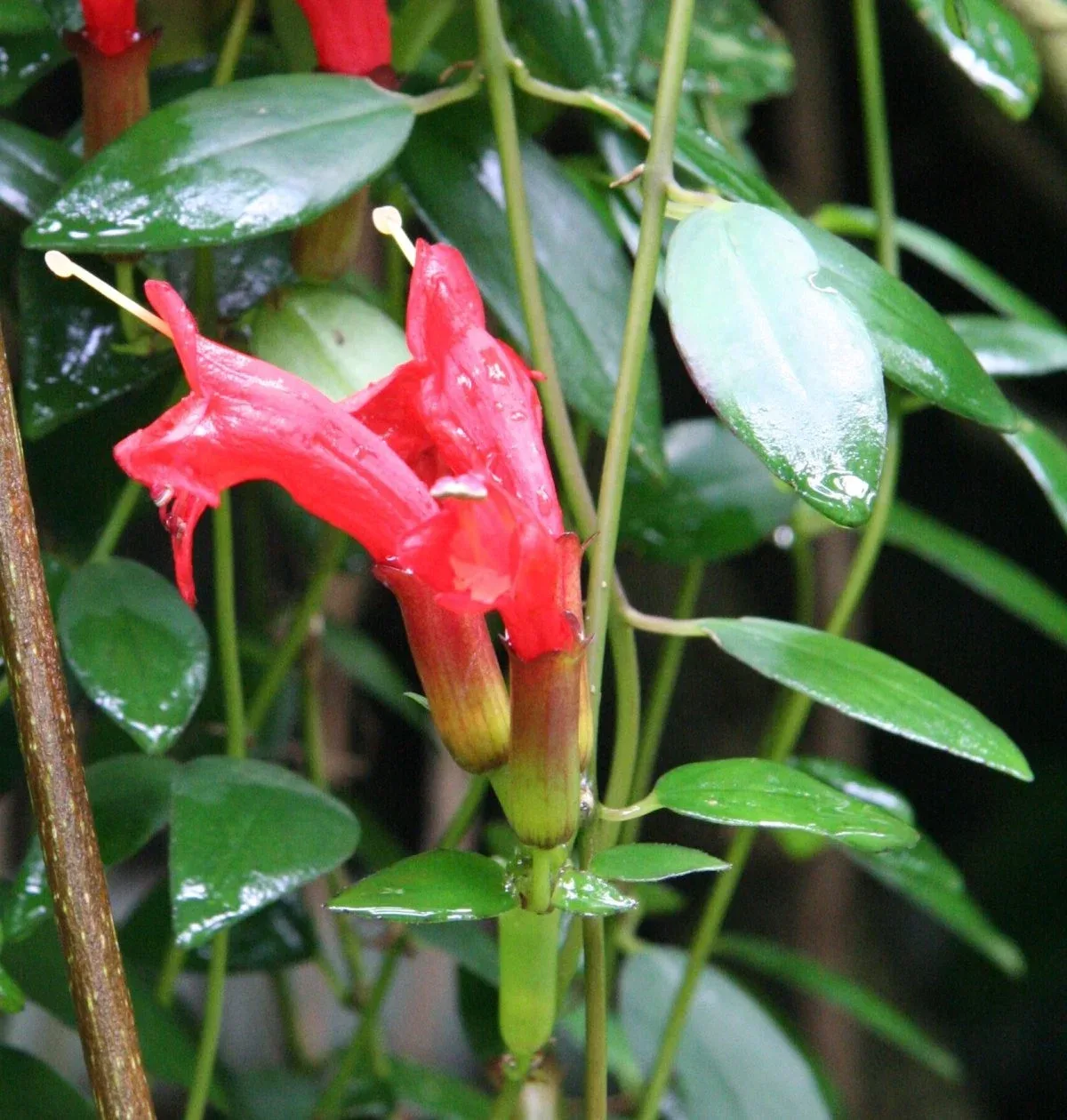
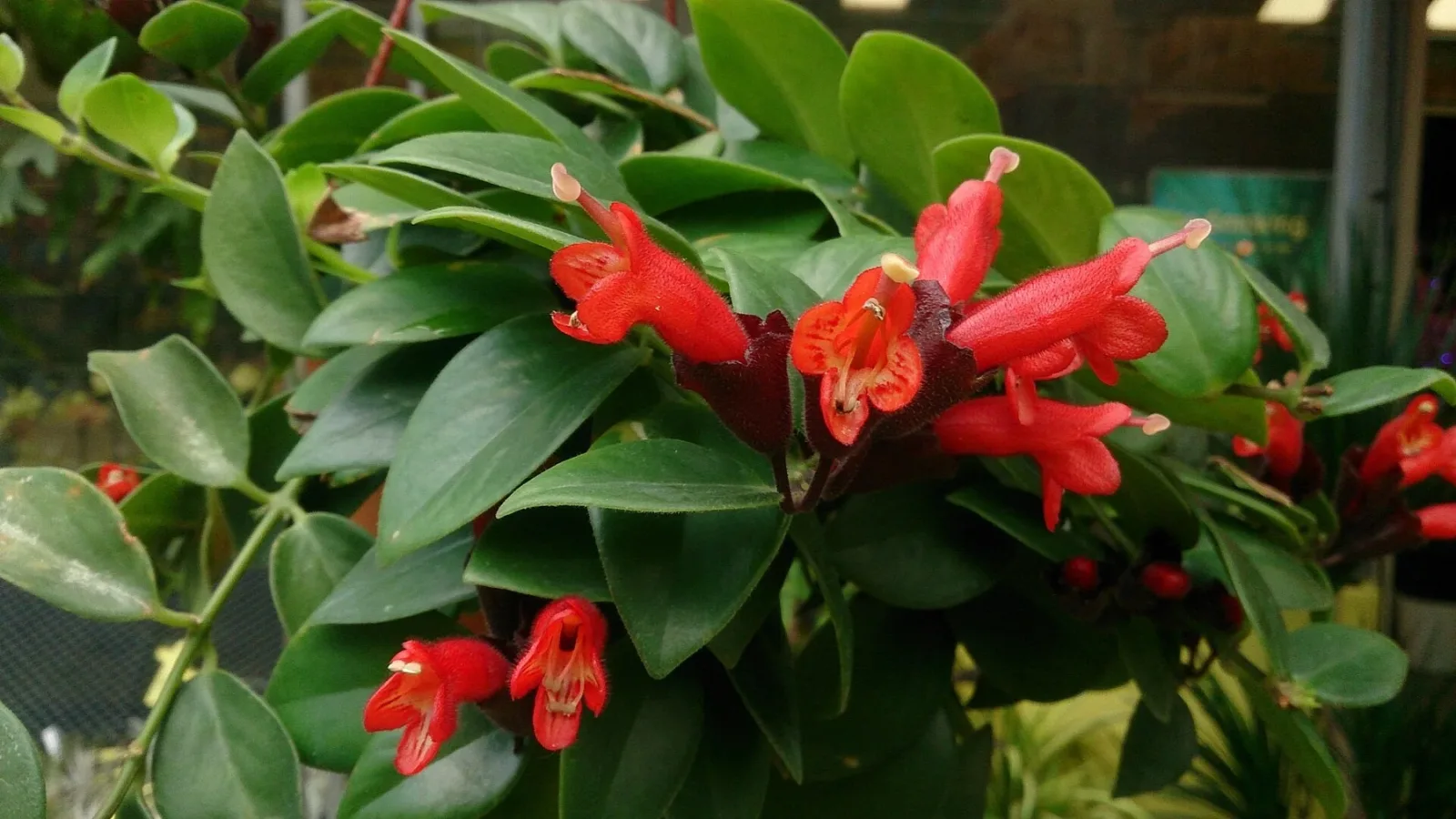
Cover photo: Michael Wolf / Wikimedia Commons. Original photo · CC BY-SA 3.0. Resized and converted for web use.
Water a lipstick plant when the top 2–3 cm of potting mix feels dry and the basket is getting lighter. Wet the whole root area, let water run out and empty any cover pot. Do not give another drink while the deeper mix is still very wet.
A fixed day-count is a poor fit for Aeschynanthus radicans. A small basket beside a warm window dries differently from a large pot in a cool room. This check adds detail to the main lipstick plant care guide.
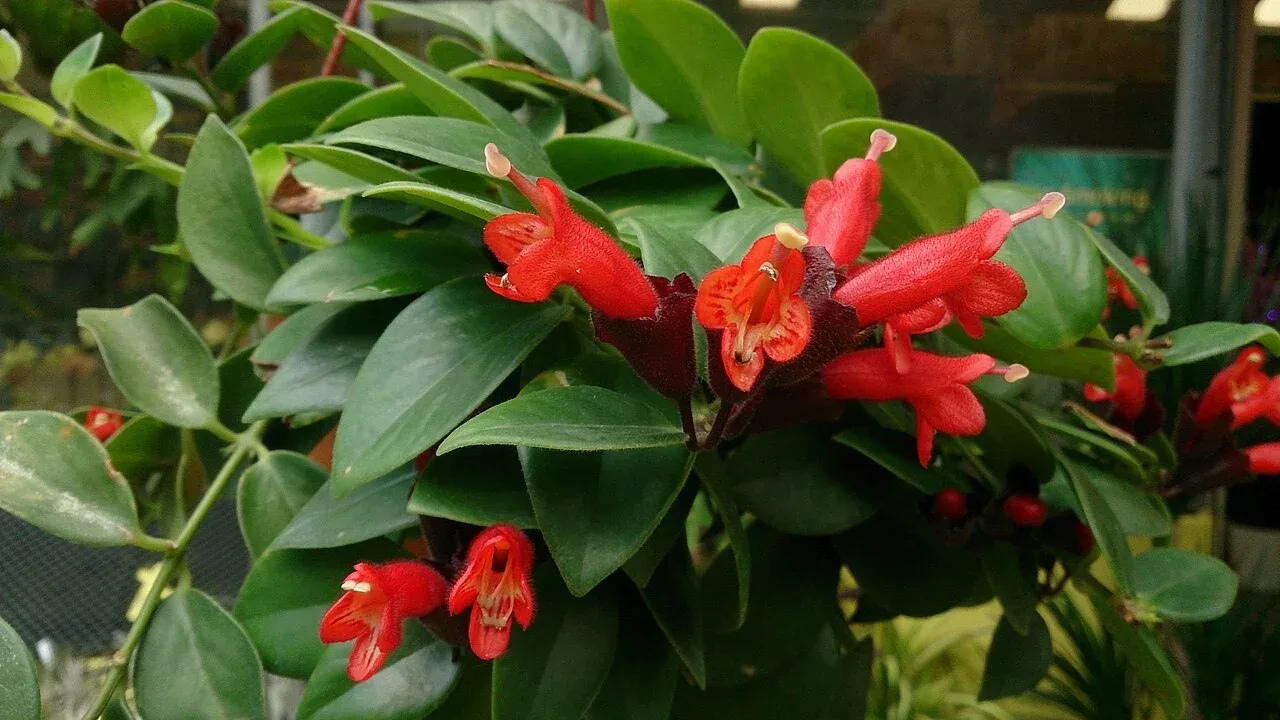
Reach the mix safely
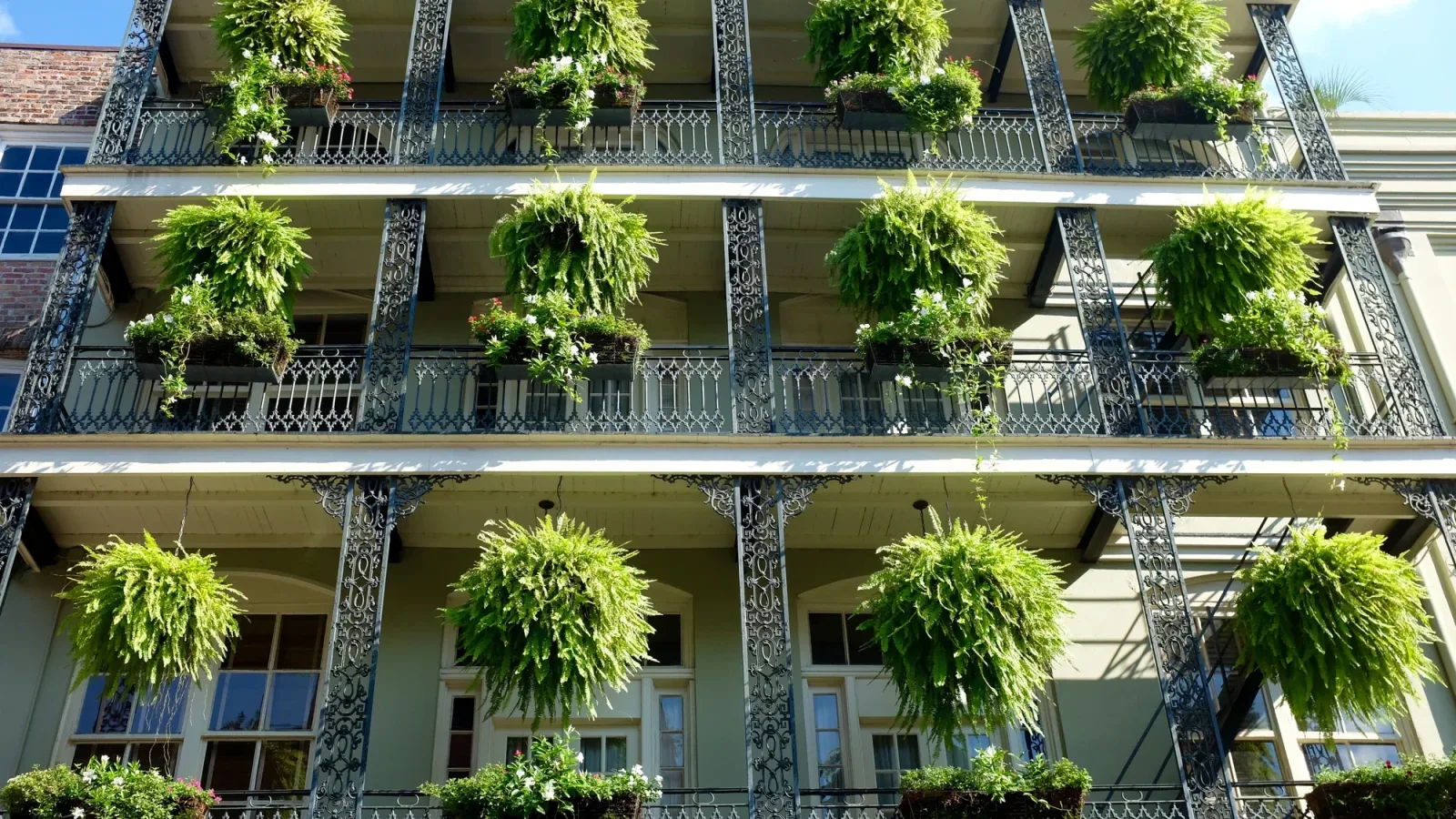
Take a hanging basket down if you cannot reach the soil with both feet on the floor. Support the pot, not its trails. A few brown leaves do not tell you how wet the roots are, so feel the mix before you water.
Push a finger into an open patch of mix rather than through a tangle of roots. Check a second spot if the first one is beside the pot edge. Lift the basket, too. A dry surface on a heavy pot can hide a wet centre.
Water through, then drain
- Place the pot over a sink or a tray you can empty.
- Add room-temperature water slowly over the mix, avoiding constant wetting of flowers.
- Let water reach the whole root area and flow through the holes.
- Allow the pot to finish draining. Empty the saucer or outer cover.
- Hang it back where the pot and leaves receive bright filtered light.
Small daily splashes can leave some roots dry while the surface always looks damp. If very dry mix sheds water down the sides, wet it slowly in more than one pass. A brief soak from below can help it take up water, but take the pot out once it is evenly moist. Never leave it sitting in water.
Check wet and dry signs together
| Finding | Possible problem | Next check |
|---|---|---|
| Light pot; dry mix; tired leaves | Roots may be too dry | Wet the root area well and drain. |
| Heavy pot; wet mix; yellow lower leaves | Roots may be short of air or damaged | Check drainage and inspect if decline continues. |
| Leaf drop after a cold move | Temperature or move stress | Check the site; do not assume it needs more water. |
These signs can overlap. Limp leaves on a wet plant do not prove thirst. Read the overwatering guide if the mix stays wet. A soft stem base or failing roots needs attention beyond a new watering schedule.
Make the pot easier to manage
Use a pot with open drain holes and an airy indoor mix. Bark and perlite can help a dense potting mix stay more open, but their amount depends on the starting product. A decorative pot without drainage should be an outer cover, with a draining nursery pot inside it.
A very large pot around a small root system is harder to judge. When repotting is due, choose a pot only a little wider than the roots. Do not disturb a healthy plant simply to make it flower. If blooms are the main issue, use the guide to a lipstick plant that is not flowering.
Adjust to your room and Indian weather
Check small baskets more often in hot, dry weather. Give relief from hard afternoon sun rather than trying to keep up with heat by leaving the mix soaked. In AC rooms, move the leaves out of the direct air stream.
During monsoon cloud, reduce extra watering if the pot dries slowly. Shelter outdoor baskets from repeated heavy rain. In a cool North Indian winter room, the plant may use less water. Warm coastal homes can behave differently, so repeat the soil check instead of changing care on a fixed month.
Keep young cuttings separate from the adult routine
A fresh cutting has few or no roots. Its small pot needs lightly moist mix and bright filtered light, rather than the drying pattern of a large adult basket. Learn that stage in the lipstick plant propagation guide.
Use clean water that is near room temperature. If a white crust builds up, review feed and water quality rather than adding more fertiliser. Keep leaves and the pot base clear of stale wet surfaces. The aim is an even drink followed by enough air around the roots.
Sources
- RHS: Aeschynanthus radicans
- NC State Extension: lipstick plant
- University of California IPM: houseplant problems
Sources checked on 21 November 2026. Care steps are adapted for Indian homes; check the actual light, warmth and moisture around your plant.

Comments
No comments yet — share what worked in your climate.