
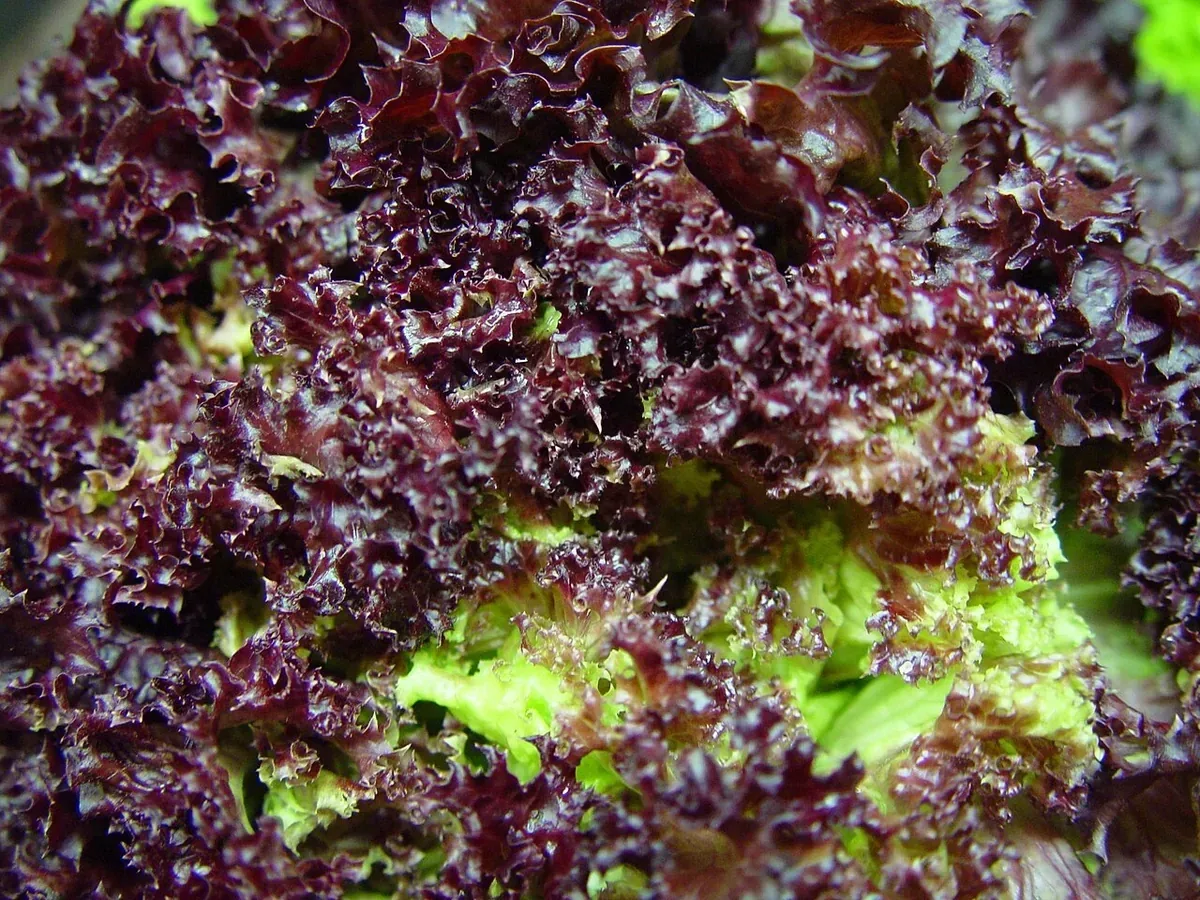
| ☀️ Light | Full sun |
|---|---|
| 💧 Water | High (consistently moist) |
| 🪴 Soil | Fertile, moisture-retentive, well-drained soil rich in organic matter; pH 6 to 6.7 |
| 🌡️ Temp | 4°C – 24°C |
| 🐾 Safety | Cats: not verified · Dogs: not verified |
| 📏 Mature size | 30 cm |
Where It Grows & Climate Tolerance
Pet & Companion Animal Toxicity (How to Grow Lettuce in India)
Not yet verified: Toxicity status for cats, dogs, and horses has not yet been confirmed against veterinary poison-control records. Keep out of reach of pets or consult your veterinarian.
Salad patta, as many Indian sellers call lettuce, is a rabi-season crop for terrace pots in the plains, sown from October and picked until the March warmth turns it bitter. Kashmir, Himachal and the Nilgiris can grow it through much of the year.
Care instructions
Care Guide & Maintenance Routine
Plains: sow small batches from October to January in grow bags or troughs; harvest leaves until early March. Hills: J&K open sowing in August, protected sowing in September and October (ICAR-CITH). Shade net on warm afternoons, cover seedlings on foggy nights below about 4°C.
Light & Sunlight
NC State Extension lists full sun to partial shade. In summer, it suggests 3 to 4 hours of sun and shade for the rest of the day. UF/IFAS advises afternoon shade or shade cloth when temperatures go above about 29°C.
Watering Schedule
Lettuce has shallow roots and needs consistently moist soil (NC State). Dry soil triggers bolting and bitterness. The RHS suggests watering early in the morning rather than the evening, to avoid attracting slugs and encouraging grey mould.
Potting Mix & Drainage
Fertile, moisture-retentive, well-drained soil rich in organic matter; pH 6 to 6.7
Temperature & Humidity
UF/IFAS gives 10 to 24°C as the preferred range, a close match to Delhi, Lucknow or Patna from November to February. Light frost on clear January nights is usually tolerated. From March, warm days in Nagpur, Ahmedabad or Hyderabad trigger bolting.
Salad patta on Indian terraces
Iceberg and lollo rosso used to be things you bought wrapped in plastic at a supermarket in Mumbai or Gurugram. Now plenty of families grow loose-leaf lettuce in a grow bag on the terrace from Dussehra onwards. Shopkeepers and seed sellers usually call it salad patta (सलाद पत्ता). The trick in India is simple: lettuce is a rabi crop in the plains and a summer crop in the hills.
Which type to sow
ICAR-CITH lists 'Grand Rapids', 'Simpson' and the red 'Lollo Rosso' as popular loose-leaf varieties in Jammu and Kashmir, along with 'Great Lakes' and 'Chinese Yellow'. In the plains, loose-leaf types are the safe start because they are ready before the heat. Crisp iceberg heads take longer and often bolt in a short North Indian winter.
Sowing calendar by region
- Punjab, Haryana, Delhi, UP, Bihar: start in October once the monsoon has withdrawn (IMD's normal date is about 25 September for Delhi) and keep sowing a fresh trough every two weeks into January. Leaves stay sweet until early March.
- Maharashtra, Telangana, Karnataka plateau: October to January. Pune and Bengaluru gardeners often stretch the season with green shade net from the local agri-input shop.
- Chennai, Kochi, Visakhapatnam, Goa: warm all year, so grow only in December and January, choose leaf types, and give afternoon shade.
- Kashmir, Himachal, Uttarakhand hills: ICAR-CITH gives open sowing in August and protected sowing in September and October for J&K. Spring sowings in March and April are common in Shimla and Mussoorie.
- Ooty, Kodaikanal, Munnar: cool enough most of the year, except during the heaviest monsoon weeks.
Monsoon and summer
From April in the plains, lettuce turns bitter and shoots up a flower stalk. In June and July, heavy rain rots it. Use those months to prepare grow bags with compost and cocopeat for October. Indoors in a cool, bright room under lights, a small summer crop is possible, but most people take a break.
Terrace or balcony setup
A long trough, a wide, shallow grow bag or an old fruit crate lined with jute cloth all work. Lettuce needs steady moisture, so a drip line on a timer helps on hot terraces; see our drip irrigation guide. A balcony with four or five hours of winter sun is enough. More rabi crops are in winter vegetables to grow in pots.
Identifying problems
- Aphids: crowds of green insects inside the hearts in February.
- Snails and slugs: ragged holes and silvery trails after damp nights; check under pots with a torch.
- Caterpillars: leaves eaten from the edges, with green droppings.
- Damping off: seedlings fall over at the soil line in cold trays.
What readers ask
- Why bitter? Heat or dry soil; it is starting to bolt.
- Can I grow the iceberg I buy at the store? In Srinagar or Shimla, yes. In Delhi it often bolts before heading, so start it in early October.
- Is it pet safe? No ASPCA entry, so we have not marked it safe or toxic.
Seasonal rhythm
Seasonal Calendar
| Month | Care Tasks | Seasonal Focus |
|---|---|---|
| Jan | Sow, Harvest | Delhi, Punjab, UP: pick outer leaves and sow another trough. Pune and Bengaluru: harvest with afternoon shade. Kashmir: protected crops only. |
| Feb | Sow, Harvest | North plains: final sowings. Chennai and Kochi: harvest before heat. J&K and Himachal: protected sowing begins. |
| Mar | Harvest | Plains: last pickings before Holi warmth makes leaves bitter. Shimla and Mussoorie: sow and transplant. |
| Apr | Plant out | Hills: main growing month, keep beds evenly moist. Plains: too hot; empty and refill grow bags. |
| May | Harvest | Hill harvests. Plains: off season, store seed in a cool, dry tin. |
| Jun | Sow, Harvest | Hills: harvest and resow small batches. Monsoon arrives in Kerala and Konkan; plains growers wait. |
| Jul | Protect from frost/heat | Heavy rain rots open beds. Hill growers move lettuce under polythene. Plains: no crop. |
| Aug | Sow | J&K and Himachal: open sowing (ICAR-CITH). Plains: mix compost and cocopeat for October. |
| Sep | Sow | Hills: protected sowing. North plains: start trays late in the month as the rains withdraw. |
| Oct | Sow, Plant out | North plains and the Deccan: main sowing month. Hills: protected sowing (ICAR-CITH: September to October). |
| Nov | Plant out, Harvest | Transplant seedlings, sow again, and pick the first baby leaves from October sowings. |
| Dec | Harvest, Protect from frost/heat | North: harvest; cover seedlings on foggy nights below about 4°C. Tamil Nadu and Kerala: sow and pick. |
Diagnostics
Common Problems & Troubleshooting
Bolting and bitter leaves in heat or dry soil; slug and snail holes; aphid clusters in the heart; grey mould and downy mildew in damp, crowded beds; brown leaf edges (tipburn) in hot weather with uneven watering.
Pests & seasonal watch: Aphids on soft growth in February. Snails and slugs grazing at night on damp terraces and in Bengaluru gardens. Caterpillars in October and November sowings. Damping off in cold, wet seedling trays.
- Yellow leaves — Leaves fade from green to yellow, often starting at the bottom.
- Brown tips — Leaf tips and edges turn dry, brown and papery.
- Drooping — Stems and leaves hang limp even though the plant was recently fine.
- Aphids — Clusters of small soft insects on new tips, often sticky.
- Whitefly — Tiny white insects fly up in a cloud when you touch the plant.
- White powder — A white powdery film on leaves, usually in still, humid air with dry soil at the roots.
- Leaf spot — Brown or tan spots with a yellow halo, sometimes with tiny dots in the centre.
- Grey mould — Fuzzy grey mould on faded flowers, damaged leaves or soft stems.
- Underwatering — Soil is bone dry and leaves are crispy, curled or dull.
- Sun scorch — Bleached or crispy patches on the side that faces strong sun.
Similar Botanical Matches
Keep exploring
Related plants
Grower field notes
Reader Field Notes in India
Share how this plant performs in your local India climate.