
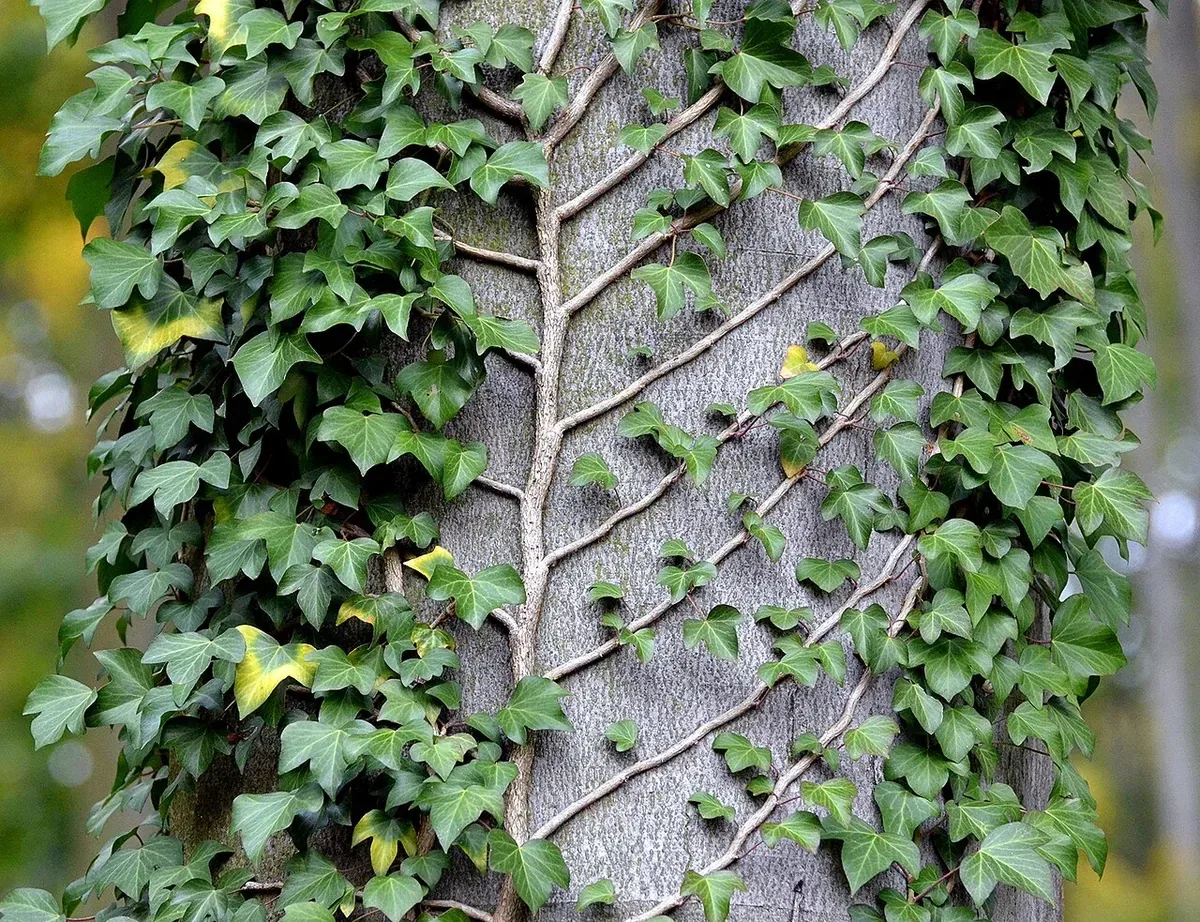
| ☀️ Light | Bright indirect light |
|---|---|
| 💧 Water | Moderate (lightly moist) |
| 🪴 Soil | Regular peat or coir-based potting mix with good drainage |
| 🌡️ Temp | 5°C – 24°C |
| 🐾 Safety | Cats: toxic · Dogs: toxic |
| 📏 Mature size | 6.0 m |
Where It Grows & Climate Tolerance
Pet & Companion Animal Toxicity (English Ivy Care in India)
English ivy is at home in Shimla, Ooty, Darjeeling and Shillong, where it trails from window boxes and stone walls. Down in Delhi, Nagpur or Chennai it survives as a hanging pot in the coolest bright room, out of reach of cats and dogs.
Care instructions
Care Guide & Maintenance Routine
Hills: outdoors in part shade, sheltered pots in hard frost. Plains: indoors from April to June, near an east window, away from coolers' direct blast. Monsoon: let the surface dry, keep a fan or open window for airflow. Peninsular coast: grow as an indoor trailer.
Light & Sunlight
Illinois Extension recommends bright light. Variegated forms need more light to keep their cream or yellow markings. A north window is often too dim for good growth indoors, while a hot south window in summer can dry it out quickly.
Watering Schedule
Keep the mix evenly moist but never soggy. Water when the surface feels just dry. Pots that dry out completely cause crisp leaf edges and invite spider mites; pots that stay wet cause yellowing and root rot.
Potting Mix & Drainage
Regular peat or coir-based potting mix with good drainage
Temperature & Humidity
Ivy prefers cool air (Illinois Extension). April to June in the Indo-Gangetic plains and Deccan runs far hotter, so treat those months as survival time. Established outdoor plants in Mussoorie or Kodaikanal handle light frost; protect young potted ones on clear December nights.
Ivy from the hills to the plains
Most Indian readers first meet English ivy on a holiday: tumbling over walls in Mussoorie, wrapped around deodar trunks near Shimla, or trailing from tea-garden bungalows around Darjeeling. Bringing that look home to a 10th-floor flat in Gurugram or Hyderabad is possible, but it means treating the plains summer as a season to get through rather than a growing season. There is no settled Hindi name for it; nurseries just say "English ivy" or "ivy creeper". Do not mix it up with Himalayan ivy (Hedera nepalensis), a native cousin found wild in the hills.
Buying
Hill nurseries in Himachal, Uttarakhand, the Nilgiris and Darjeeling sell it cheaply in small hanging baskets or plastic bags. In metros, garden centres and online sellers ship it as a rooted cutting. Choose plain green leaves for the plains; heavily variegated types scorch and sulk faster in heat. Look under the leaves before paying: grey stippling means mites came along.
Hills versus plains, month by month
- Shimla, Manali, Nainital, Darjeeling, Shillong, Ooty, Kodaikanal: it grows outdoors on shaded walls and in window boxes. March and April bring the strongest flush. Clear frosty nights in December and January can damage young potted plants, so tuck those under an overhang.
- Delhi, Lucknow, Patna, Jaipur, Ahmedabad: October to March is its good season, on a shaded balcony or by an east window. From April the loo and 40°C-plus afternoons arrive, and it belongs in the coolest bright room you have.
- Bengaluru and Pune: milder, so it can stay on a north- or east-facing balcony most of the year, with extra shade in April and May.
- Mumbai, Chennai, Kochi, Kolkata: constant warmth and humidity make it a modest indoor trailer at best. Airflow matters more than misting here.
Monsoon
IMD's normal dates put monsoon onset at about 20 June for Dehradun and 22 June for Shimla, and 27 June for Delhi. In the hills, weeks of drizzle and mist keep pots wet, so raise them on stones and pick off spotted leaves. In the plains, the first rains bring relief from mites; reduce watering once the air turns sticky and run a ceiling fan on low.
Balcony or room?
Hang it where a grill or chhajja gives shade by noon. A west-facing ledge in May bakes it. Indoors, a bathroom with a frosted window works in many flats, and so does a bookshelf a metre from the window. Keep it well above a desert cooler's spray but within its cooler, damper air.
Recognising trouble
- Spider mites: leaves go dull and peppered with pale dots; wipe a leaf with white tissue and look for reddish smears.
- Leaf spot: brown blotches with a yellow halo during muggy July.
- Aphids: clusters on tender tips in hill springs, with sticky leaves below.
Indian readers often ask
- Pets? ASPCA lists it as toxic to cats, dogs and horses; hang it high.
- Will it climb my building? Indoors in a pot, no. Outdoors in the hills it can root into old plaster, so keep it on a trellis.
- Is it a good vastu plant? That is a belief question, not a plant one; light and cool air decide whether it lives.
Seasonal rhythm
Seasonal Calendar
| Month | Care Tasks | Seasonal Focus |
|---|---|---|
| Jan | Fertilize | Delhi NCR and Punjab: prime season on a shaded balcony, light feeding. Chennai and Kochi: steady indoors. Shimla, Nainital: shelter young pots on clear frosty nights. |
| Feb | Prune | Plains: snip bare runners before the spring flush. Bengaluru, Pune: root cuttings in jars of water. Hills: still cold, wait. |
| Mar | Plant out, Repot | Repot crowded baskets in the plains before Holi heat. Darjeeling, Mussoorie: begin feeding and set out rooted pieces. |
| Apr | Protect from frost/heat | Indo-Gangetic plains: bring indoors as afternoons pass 35°C. Deccan: shade cloth. Hills: fastest growth, trim as needed. |
| May | Protect from frost/heat | Loo month in Rajasthan, Haryana and Delhi: coolest bright room, check under leaves weekly. Mumbai: muggy, keep the mix barely damp. |
| Jun | Protect from frost/heat | Before the rains reach Delhi around 27 June, rinse foliage to deter mites. Konkan and Kerala: rains begin, reduce watering. |
| Jul | Protect from frost/heat | Rains everywhere by about 8 July. Let the surface dry; run a fan for airflow. Uttarakhand and Himachal: drain outdoor pots. |
| Aug | Protect from frost/heat | Wettest spell in Meghalaya and Sikkim: raise pots on stones. Pick off spotted leaves. |
| Sep | Prune | Northern rains withdraw late September: trim and take cuttings. Coastal Karnataka: still humid. |
| Oct | Fertilize | Plains cool down and growth restarts; return it to a brighter spot. Hill stations: final feed before winter. |
| Nov | Fertilize | North India: one of the best months, east window or shaded balcony. Tamil Nadu's northeast monsoon: water less in Chennai. |
| Dec | Protect from frost/heat | Hills: tuck young pots under eaves on frosty nights. Lucknow and Patna: keep away from heater blasts. South: normal care. |
Diagnostics
Common Problems & Troubleshooting
Speckled, dull leaves from spider mites; brown, dry leaf edges in hot dry rooms; long bare stems in low light; green leaves on variegated types in shade; yellowing from wet soil.
Pests & seasonal watch: Spider mites in the dry pre-monsoon weeks, worst in Delhi, Jaipur and Hyderabad flats. Leaf spot during muggy July and August if air is still. Aphids on fresh shoots in hill springs, March to April.
- Yellow leaves — Leaves fade from green to yellow, often starting at the bottom.
- Brown tips — Leaf tips and edges turn dry, brown and papery.
- Root rot — Roots turn brown and mushy in soil that stays wet.
- Mealybugs — White cottony clumps in leaf joints, often with sticky honeydew.
- Leggy — Long weak stems with big gaps between small leaves, leaning to the window.
- Spider mites — Fine webbing and pale speckled leaves, worse in dry heated rooms.
- Scale — Hard or soft brown bumps stuck to stems and leaf ribs, often with sticky honeydew.
- Aphids — Clusters of small soft insects on new tips, often sticky.
- Leaf spot — Brown or tan spots with a yellow halo, sometimes with tiny dots in the centre.
- Underwatering — Soil is bone dry and leaves are crispy, curled or dull.
- Fading variegation — Variegated leaves come in greener, or whole shoots turn fully green.
Care encyclopedia · 2 guides
Guides & Articles for English Ivy Care in India
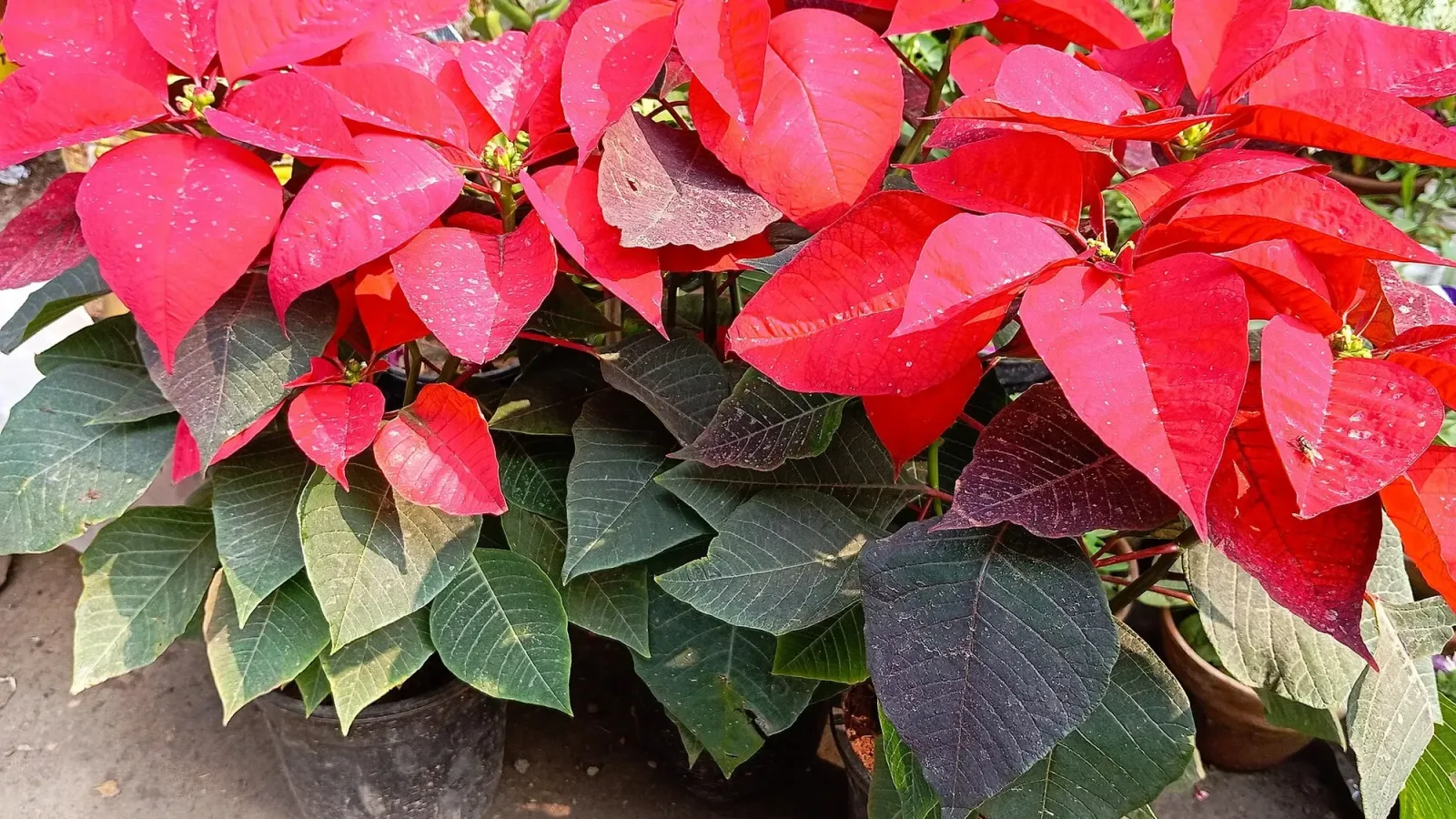
8 Christmas Plants for Indian Homes (and How to Keep Them Alive After December)
In India, the Christmas tree plant is almost always an Araucaria, and it can be your tree for years. Here are eight Christmas plants sold in Indian nurseries, with care, pet safety and region notes.
Read guide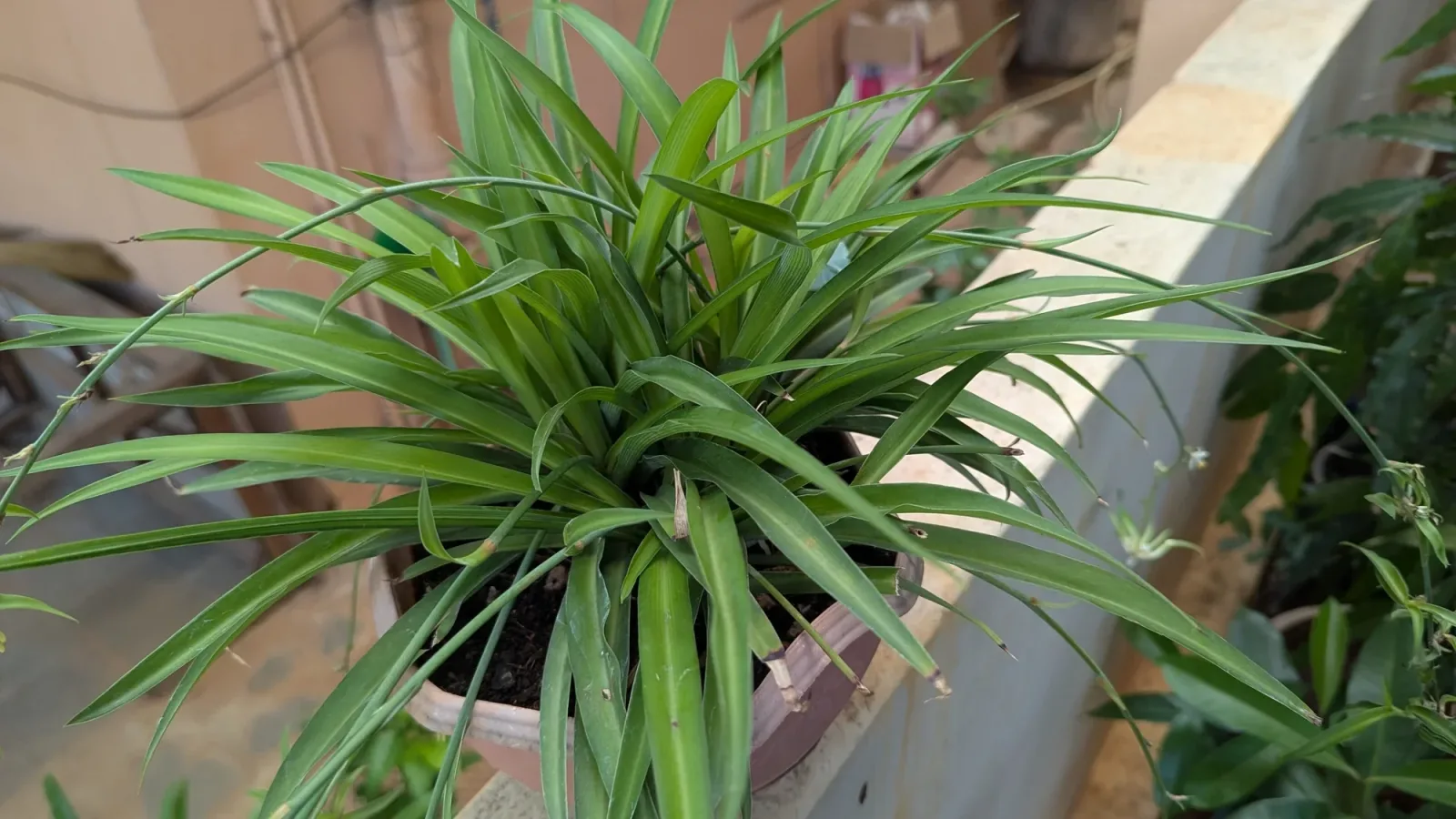
11 Best Indoor Hanging Plants for Indian Homes (and Where Each One Grows Best)
For a first hanging pot, money plant, spider plant and inch plant (zebrina) are the easiest in Indian homes. Here are 11 trailing plants, with light, watering, pet-safety and region notes.
Read guideSimilar Botanical Matches
Keep exploring
Related plants
Grower field notes
Reader Field Notes in India
Share how this plant performs in your local India climate.