
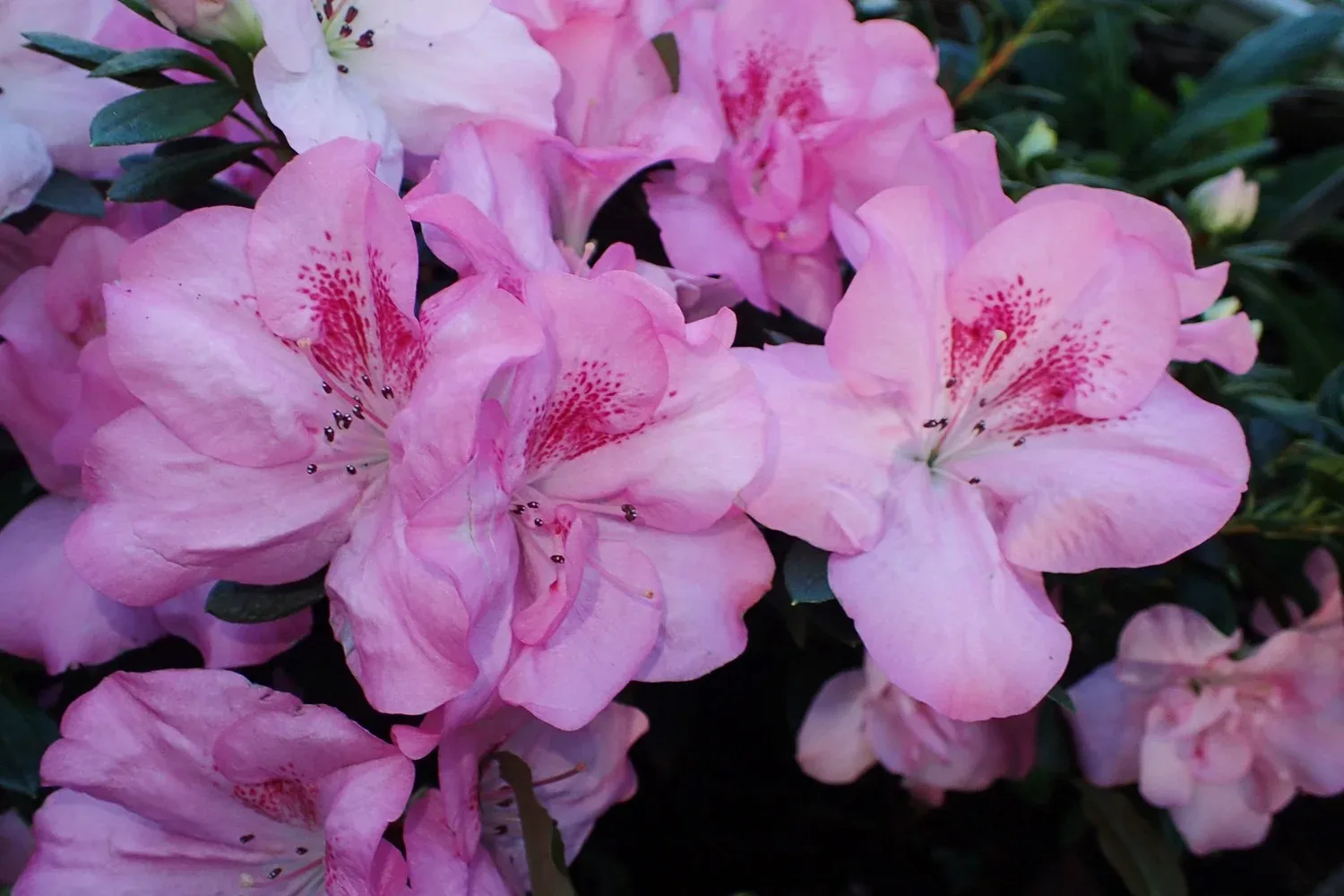
| ☀️ Light | Bright indirect light |
|---|---|
| 💧 Water | High (consistently moist) |
| 🪴 Soil | Acidic, free-draining ericaceous or azalea potting mix |
| 🐾 Safety | Cats: toxic · Dogs: toxic |
Where It Grows & Climate Tolerance
Pet & Companion Animal Toxicity (Florist’s Azalea)
A florist’s azalea sold in bloom during a Canadian winter usually comes from a greenhouse. Unwrap it promptly and choose a bright place away from heating vents. During transport, shield the leaves and flowers from cold air.
Care instructions
Care Guide & Maintenance Routine
A florist’s azalea sold in bloom during a Canadian winter usually comes from a greenhouse. Unwrap it promptly and choose a bright place away from heating vents. During transport, shield the leaves and flowers from cold air.
Light & Sunlight
Choose bright filtered light and keep open flowers clear of harsh afternoon sun. A shaded outdoor summer spot can work if the weather is mild.
Watering Schedule
Check small pots often. Water before the root ball dries right through and drain well. Rainwater or another low-mineral water is preferable where the tap supply is hard.
Potting Mix & Drainage
Acidic, free-draining ericaceous or azalea potting mix
Temperature & Humidity
Cool, frost-free air helps flowers last. Keep the pot away from heaters and hot sunny glass. Florist’s hybrids can be more tender than hardy garden azaleas.
A florist’s azalea sold in bloom during a Canadian winter usually comes from a greenhouse. Unwrap it promptly and choose a bright place away from heating vents. During transport, shield the leaves and flowers from cold air.
Keep winter blooms going
In a heated room, check the pot by weight and feel beneath the surface. Water thoroughly when the mix begins to dry and drain it before returning it to its wrapper. Move the flowers a little back from the glass when nights are freezing.
After the flowers fade
Use fresh acidic mix if the roots are crowded. A sheltered summer spot can help rebuild leafy growth once night temperatures settle. Bring tender stock back inside before frost. Save harder outdoor sites for cultivars sold as hardy garden azaleas.
Sources
- RHS • Azaleas indoors
- University of New Hampshire Extension • Flowering gift plants
- ASPCA • Rhododendron toxicity
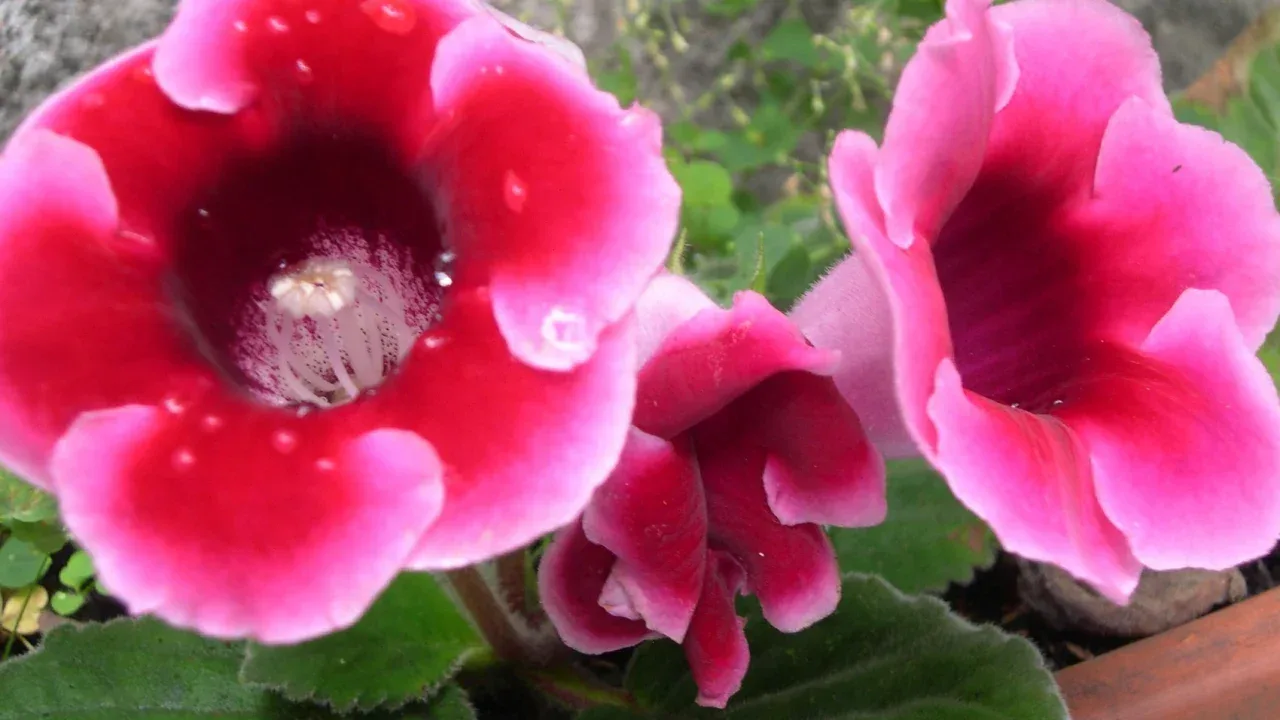
Featured photo by Krzysztof Ziarnek, Kenraiz via Wikimedia Commons, CC BY-SA 4.0. Resized for display.
Seasonal rhythm
Seasonal Calendar
| Month | Care Tasks | Seasonal Focus |
|---|---|---|
| Jan | Routine check | Keep the flowering pot cool and clear of heater air. |
| Feb | Routine check | Drain water from the cover pot after watering. |
| Mar | Routine check | Remove spent blooms as they fade. |
| Apr | Repot | Repot in acidic mix if roots fill the pot after flowering. |
| May | Routine check | Wait for mild nights before moving a pot outdoors. |
| Jun | Protect from frost/heat | Choose sheltered shade and keep moisture even. |
| Jul | Routine check | Check the root ball often in hot weather. |
| Aug | Routine check | Inspect foliage before bringing the pot indoors. |
| Sep | Protect from frost/heat | Bring tender stock inside before frost. |
| Oct | Routine check | Pick a bright, cool site and check moisture. |
| Nov | Routine check | Shield plants from cold air near opening doors. |
| Dec | Routine check | Monitor buds and keep blooms clear of icy windows. |
Diagnostics
Common Problems & Troubleshooting
A suddenly drooping plant may have a dry root ball even if the surface looks damp. Yellow leaves with green veins can indicate high pH. Buds can fall when a pot dries or becomes too warm.
Similar Botanical Matches
Keep exploring
Related plants

Grower field notes
Reader Field Notes in Canada
Share how this plant performs in your local Canada climate.