
| ☀️ Light | Bright indirect light |
|---|---|
| 💧 Water | Moderate (lightly moist) |
| 🪴 Soil | Open, lightly acidic mix for African violets or other gesneriads |
| 🐾 Safety | Cats: non-toxic · Dogs: non-toxic |
Where It Grows & Climate Tolerance
Pet & Companion Animal Toxicity (Florist’s Gloxinia)
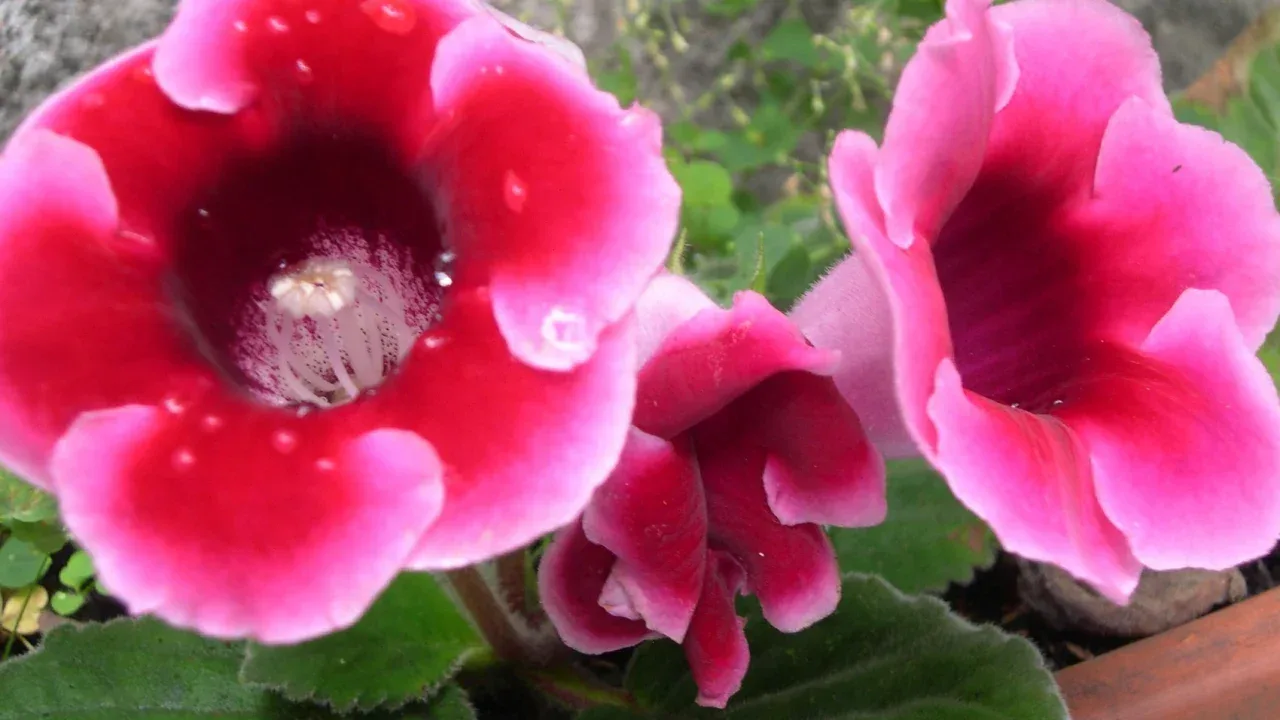
Florist’s gloxinia grows from a tuber and makes velvety flowers above a soft rosette. The plant often arrives already in bloom. A bright sheltered position and careful watering are enough to keep the display going.
Care instructions
Care Guide & Maintenance Routine
Use bright filtered light and keep the pot evenly moist during leafy growth. Let excess water drain and keep it away from the crown. Reduce watering if the leaves yellow naturally after flowering and the tuber goes dormant.
Light & Sunlight
Give the plant bright filtered light, especially while it is making flowers. A heated window in strong afternoon sun can damage the leaves.
Watering Schedule
Check moisture regularly during growth. Water the mix gently and drain the pot. When the plant is dormant, keep the tuber mainly dry and check it occasionally.
Potting Mix & Drainage
Open, lightly acidic mix for African violets or other gesneriads
Temperature & Humidity
A stable warm room suits a plant in leaf. Give a resting tuber a cool, frost-free location and avoid repeatedly moving a plant in flower.
Florist’s gloxinia grows from a tuber and makes velvety flowers above a soft rosette. The plant often arrives already in bloom. A bright sheltered position and careful watering are enough to keep the display going.
Look beneath a gift wrapper
Lift the nursery pot out before watering and check that the drain holes are open. Water the mix without letting it gather in the crown. Give the plant a bright spot where strong afternoon sun cannot heat the leaves.
Work with the flowering cycle
Remove spent flowers and continue regular moisture checks while the leaves are green and active. If the whole rosette gradually yellows after flowering, reduce watering. Let the foliage finish dying back before moving the pot to a cooler resting position.
Restart a firm tuber
Check a resting tuber occasionally for firmness. When it starts to sprout, refresh the mix and give it bright filtered light. Water lightly at first and increase gradually as leaves and roots develop.
Growing in India, Canada and Australia
India
A bright indoor position with a sheer curtain can protect the leaves from strong afternoon sun. In humid monsoon rooms, let the pot drain completely and leave space around the rosette. Follow the tuber’s own growth cycle when it rests, especially with a nursery plant that arrived in flower.
Canada
Keep flowers away from cold windows and warm furnace air. Check small nursery pots regularly because they can dry quickly in heated rooms. If the leaves die back gradually after blooming, leave the firm tuber in a sheltered, frost-free place and look for new growth before you water routinely again.
Australia
During a hot spell, favour morning light or a bright filtered window away from hot glass. From autumn onward, keep flowering pots where the room temperature stays steady. Keep a resting tuber frost-free in cooler southern homes and wait for shoots before returning it to brighter light and regular watering.
Read more on GardenOrbit. African violet care
Sources
- NC State Extension · Sinningia speciosa
- Iowa State University Extension · Gloxinia care
- ASPCA · Gloxinia and pets
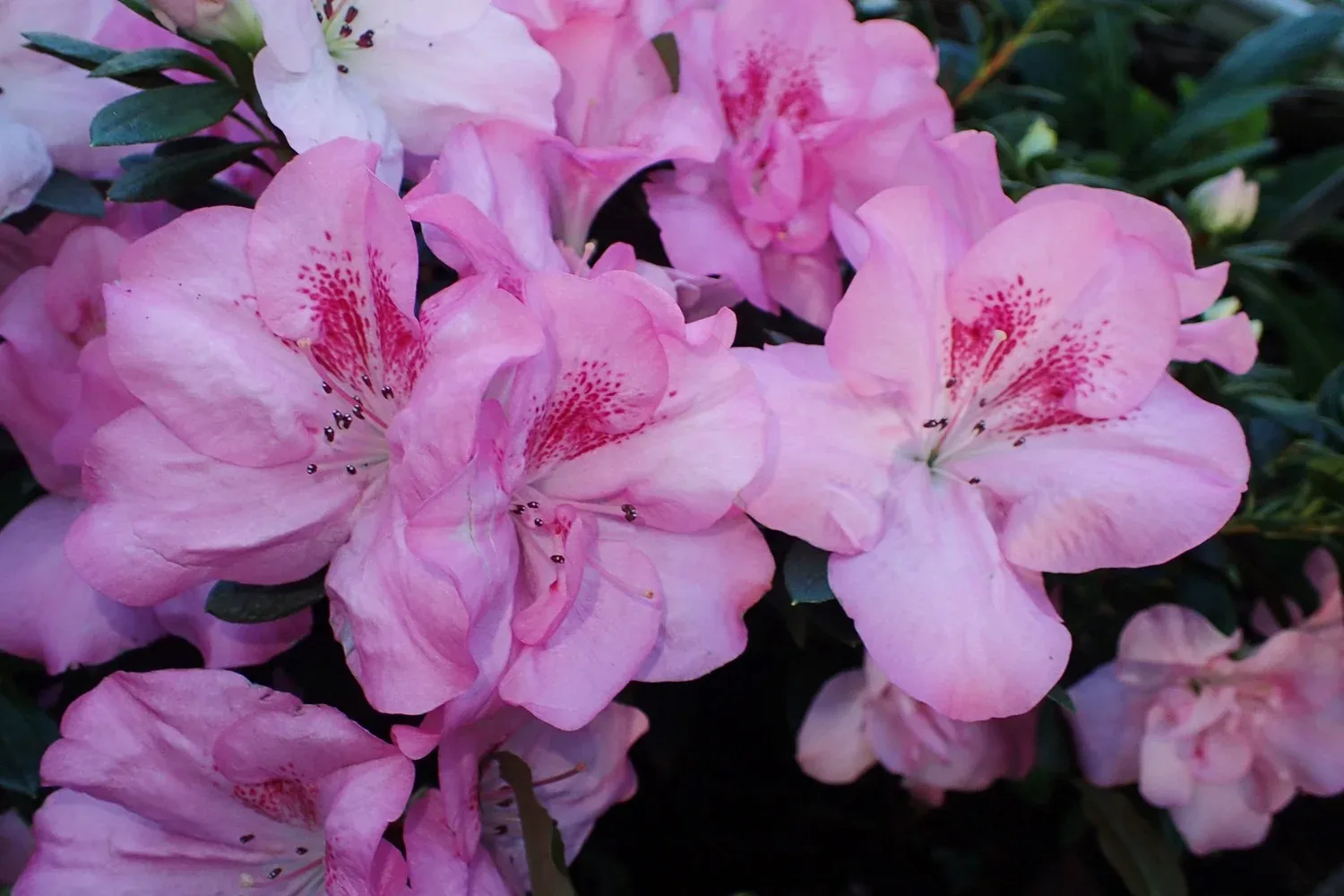
Featured photo by Maritzaandradeangel via Wikimedia Commons. Public domain. Resized for display.
Seasonal rhythm
Seasonal Calendar
A month-by-month calendar for Florist’s Gloxinia in Global is coming soon. See the light, water and temperature notes above.
Diagnostics
Common Problems & Troubleshooting
Yellowing after flowering can be the start of a rest. A soft crown or tuber in wet mix points to decay rather than normal dormancy. Check airflow if crowded foliage stays damp.
Q&A
Frequently Asked Questions
Can a gloxinia flower again?
A healthy tuber can produce new shoots and may flower again after its rest. Be guided by signs of growth as you resume watering.
Is florist’s gloxinia safe around cats and dogs?
The ASPCA lists Sinningia speciosa as non-toxic to cats and dogs. Keep fertiliser and treated potting mix away from pets.
Similar Botanical Matches
Keep exploring
Related plants

Grower field notes
Reader Field Notes in Global
Share how this plant performs in your local Global climate.