| ☀️ Light | Full sun |
|---|---|
| 💧 Water | Low (allow soil to dry) |
| 🪴 Soil | Lean, alkaline (pH 7-8), sharply drained; sand, gravel or clay amended with plenty of grit; plant on a slight mound |
| 🌡️ Temp | Min -29°C |
| 🐾 Safety | Cats: toxic · Dogs: toxic (ASPCA Animal Poison Control) |
| 🏔️ Hardiness | Rated USDA zone 5 (Missouri Botanical Garden as cited by Mossfield); a calculated risk in colder regions such as Alberta - needs the warmest best-drained spot with reliable snow cover |
| 📏 Mature size | 45 cm |
Where It Grows & Climate Tolerance
Pet & Companion Animal Toxicity (English Lavender 'Munstead')
Compact, fragrant English lavender that is among the hardiest types for cold gardens. Needs full sun and sharp drainage; wet winter roots kill it, not cold.
Care instructions
Care Guide & Maintenance Routine
Full sun (6+ hours). Lean, alkaline, sharply drained soil on a mound. Water sparingly once established. Prune in spring into green wood only. Leave stems standing over winter.
Light & Sunlight
Full sun; at least 6 hours of direct sun
Watering Schedule
Low: drought tolerant once established; most losses are from too much water
Potting Mix & Drainage
Lean, alkaline (pH 7-8), sharply drained; sand, gravel or clay amended with plenty of grit; plant on a slight mound
Temperature & Humidity
Verified temperature range: from -29°C (-20°F). Protect from cold drafts and direct airflow from heating or cooling vents.
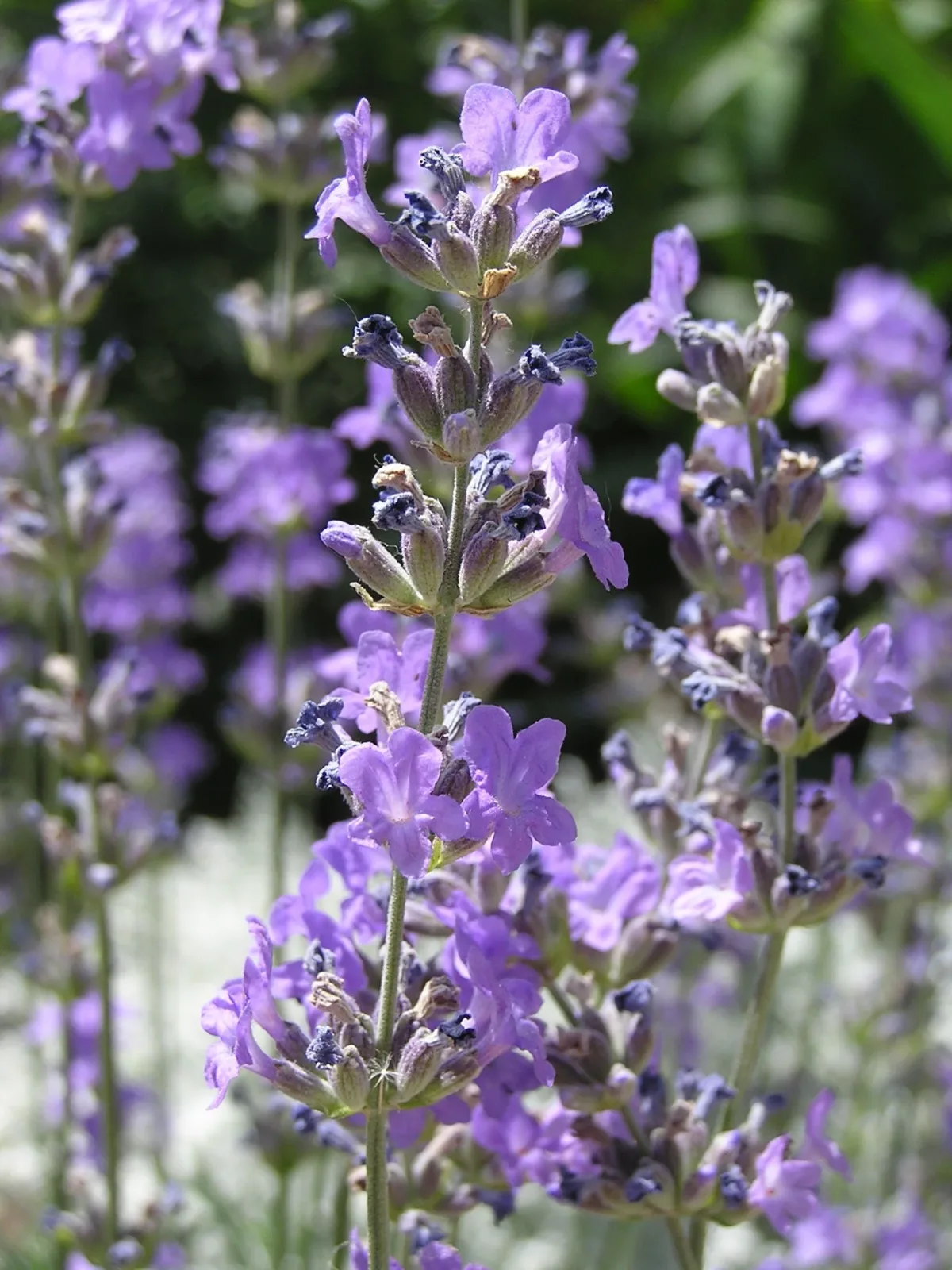
English lavender (Lavandula angustifolia) is the hardiest of the lavenders, and 'Munstead' is one of the two classic cultivars for cold gardens, the other being 'Hidcote'. 'Munstead' was introduced in 1916 and is compact, about 30-45 cm tall, with narrow grey-green leaves and short spikes of lavender-blue flowers from late June through July that bees and butterflies love. Despite its name, it comes from the western Mediterranean, and it is the lavender most used in cooking.
Where it grows in Canada
English lavender is the hardiest lavender. The Missouri Botanical Garden rates both 'Munstead' and 'Hidcote' to USDA zone 5, so in colder parts of Canada such as Alberta it is a calculated risk: worth trying in the warmest, best-drained spot, with reliable snow cover. What usually kills lavender is wet roots over winter, not the cold itself. Check your exact zone on Natural Resources Canada's hardiness map.
Site and soil
Give it at least six hours of direct sun, in the warmest, best-drained spot you have: a south-facing bed against the house, a slope or a raised bed of gritty soil. It wants lean, alkaline soil (about pH 7-8) that drains sharply. Heavy clay without amendment is a death sentence over winter, so add plenty of grit and plant on a slight mound. Space plants 45-60 cm apart.
Watering and feeding
Water need is low once established, and too much water, not too little, is the most common cause of plant loss.
Winter and pruning
Leave stems standing over winter and prune in spring only, once new green growth shows at the base. Cut back into green wood, about two-thirds of the previous year's growth, and never into bare brown wood, because lavender does not regenerate from old wood. A bed where snow collects and stays suits it, and plants in containers can spend the winter in an unheated garage.
Planting and harvest
Plant in late May to early June, after frost risk passes, so the plant has the full season to harden off before winter. Cut stems for drying when the first two flowers on each spike have opened.
Pets
The ASPCA lists lavender as toxic to dogs, cats and horses, though effects are usually mild (nausea, vomiting, poor appetite). Concentrated lavender oil is the bigger concern.
Seasonal rhythm
Seasonal Calendar
A month-by-month calendar for English Lavender 'Munstead' in Canada is coming soon. See the light, water and temperature notes above.
Diagnostics
Common Problems & Troubleshooting
- Winter dieback or plant loss | Cause: Wet roots over winter, heavy clay, or exposed windswept sites | Fix: Improve drainage with grit, plant on a mound or raised bed, and avoid low spots where water collects. - Leggy, woody centre | Cause: Pruning into old brown wood or no pruning | Fix: Prune annually in spring into green wood; never cut into bare brown wood
Q&A
Frequently Asked Questions
Can I grow lavender in a cold Canadian climate?
English lavender such as 'Munstead' and 'Hidcote' is the hardiest type, rated to USDA zone 5. In colder regions such as Alberta it is a calculated risk, needing the warmest, best-drained spot with reliable snow cover.
Why did my lavender die over winter?
Wet roots over winter are the usual cause, not cold. Use gritty, fast-draining soil and plant on a mound.
When should I prune lavender?
In spring, once new green growth shows. Cut back into the green wood only.
Is lavender safe for pets?
The ASPCA lists it as toxic to dogs, cats and horses, with mild effects such as vomiting if a quantity is eaten. Concentrated lavender oil is the bigger concern.
Similar Botanical Matches
Grower field notes
Reader Field Notes in Canada
Share how this plant performs in your local Canada climate.