| ☀️ Light | Medium light |
|---|---|
| 💧 Water | Moderate (lightly moist) |
| 🪴 Soil | Well-drained loam; avoid persistently wet soil |
| 🐾 Safety | Cats: toxic · Dogs: toxic |
| 📏 Mature size | 6.0 m |
Where It Grows & Climate Tolerance
Pet & Companion Animal Toxicity (Common Boxwood in Canada)
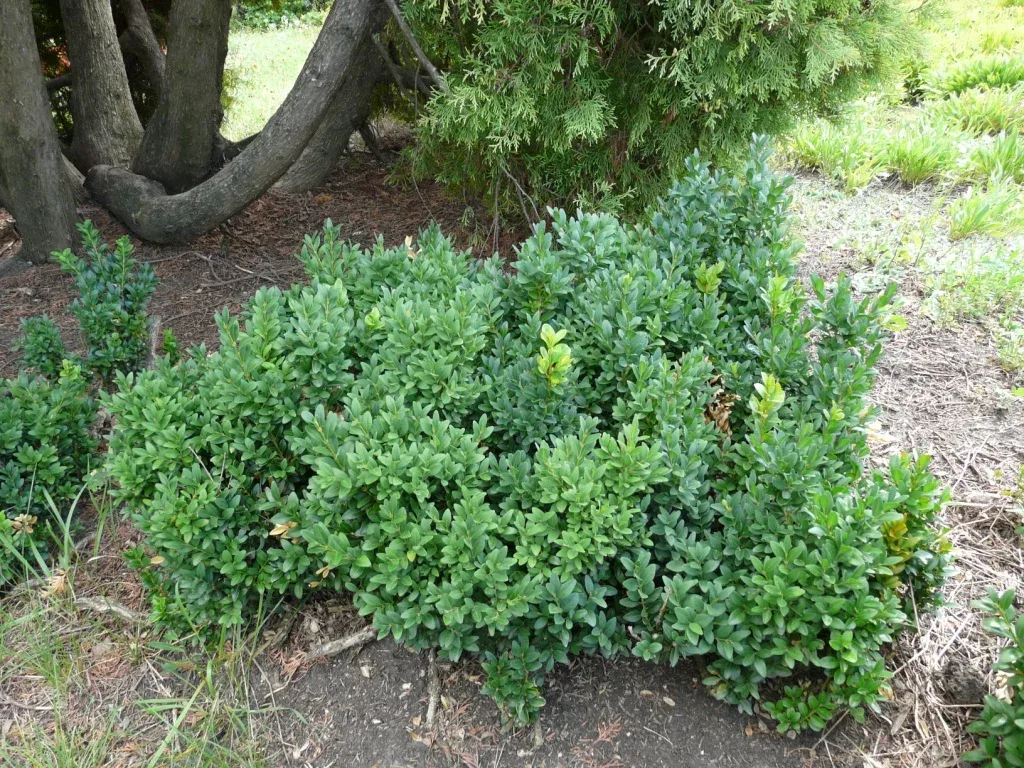
A clipped evergreen hedge shrub for sheltered gardens in milder parts of Canada.
Care instructions
Care Guide & Maintenance Routine
Choose a site with drainage and some winter shelter. Water through the first growing season, mulch the shallow roots and avoid pruning late in summer.
Light & Sunlight
Sun to part shade; shelter from strong winter sun and drying wind in cold areas.
Watering Schedule
Keep newly planted shrubs evenly moist. Once established, water during prolonged dry periods; never leave roots waterlogged.
Potting Mix & Drainage
Well-drained loam; avoid persistently wet soil
Temperature & Humidity
Use cultivar-specific hardiness advice. In zone 6 and warmer, give wind and winter-sun shelter; colder sites may need a hardier boxwood hybrid.
In Canadian gardens, common boxwood is most reliable in milder zones, roughly zone 6 and warmer, though the exact cultivar and microclimate matter. Plant where winter wind and bright sun will not dry the evergreen foliage while the soil is frozen.
Spring is a good planting time once soil can be worked. Keep the root ball at its original depth. Water during dry spells and before freeze-up if autumn has been dry. A layer of mulch helps protect shallow roots; leave space around the main stems. Clip after the first flush of growth and finish well before winter.
Look for winter burn, leafminer, blight and box tree moth. Buy clean nursery stock and check current local guidance before transporting suspect material. Boxwood contains compounds that can be harmful if eaten; keep it away from pets that chew plants.
Seasonal rhythm
Seasonal Calendar
| Month | Care Tasks | Seasonal Focus |
|---|---|---|
| Jan | Check for winter burn; brush heavy snow off branches gently. | |
| Feb | Keep winter protection in place; inspect for bronzed foliage. | |
| Mar | As soil thaws, assess winter damage; water if dry. | |
| Apr | Plant in workable soil; mulch and water new shrubs. | |
| May | Water new plants; inspect young leaves for pests. | |
| Jun | Clip lightly after spring growth; keep tools clean. | |
| Jul | Water deeply during prolonged dry weather. | |
| Aug | Continue watering young plants; avoid late feeding. | |
| Sep | Stop major pruning so stems can harden. | |
| Oct | Water before freeze-up if autumn is dry. | |
| Nov | Add mulch over roots; protect exposed plants from wind. | |
| Dec | Check snow load and winter shelter; avoid disturbing frozen roots. |
Diagnostics
Common Problems & Troubleshooting
Winter bronzing or burn from sun and wind; root rot in wet soil; leaf drop and dieback from blight or pests.
Pests & seasonal watch: Box tree moth is a regulated pest in Canada; check CFIA updates. Also monitor leafminer and boxwood blight. Avoid moving infested clippings.
Similar Botanical Matches
Grower field notes
Reader Field Notes in Canada
Share how this plant performs in your local Canada climate.