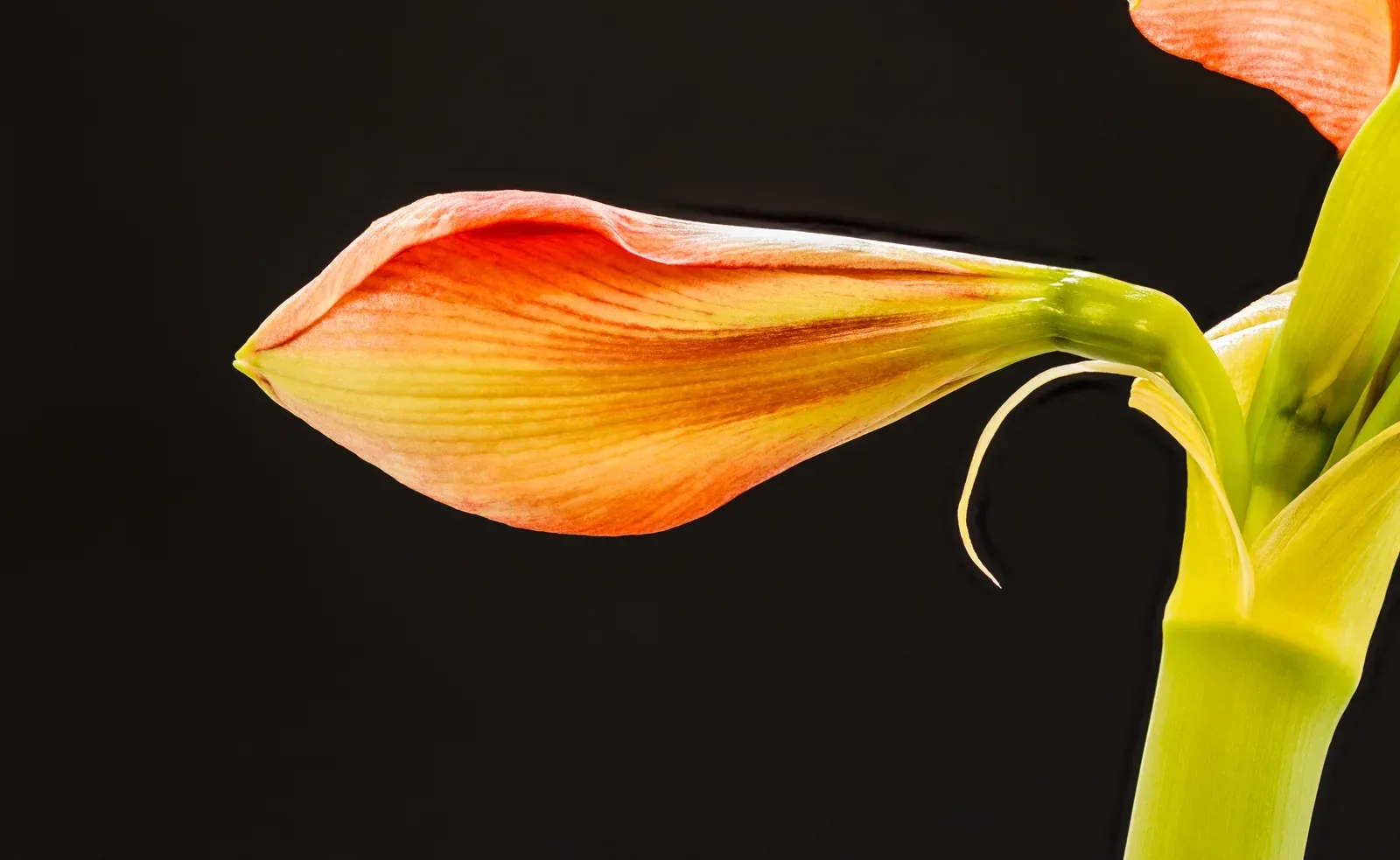
| ☀️ Light | Bright indirect light |
|---|---|
| 💧 Water | Moderate (lightly moist) |
| 🪴 Soil | Well-draining bulb / potting mix |
| 🌡️ Temp | 10°C – 25°C |
| 🐾 Safety | Cats: toxic · Dogs: toxic (ASPCA Animal Poison Control) |
| 📏 Mature size | 60 cm |
Where It Grows & Climate Tolerance
Pet & Companion Animal Toxicity (Amaryllis)
Winter bulb that blooms indoors across Canada; bright light after planting and a dry rest after leaves fade.
Care instructions
Care Guide & Maintenance Routine
Plant bulb with top third exposed, water sparingly until growth, bright light, rest after foliage yellows.
Light & Sunlight
Bright light once growth starts. Coolish room for longer blooms.
Watering Schedule
Barely moist until sprout; then water when top dry. Dry rest when leaves die back.
Potting Mix & Drainage
Well-draining bulb / potting mix
Temperature & Humidity
Bloom in 18–22 C; cooler nights extend flowers.
Amaryllis bulbs are a Canadian winter tradition — tall stalks and huge blooms that brighten short December days.
Plant the bulb in a snug pot with the top third exposed. Water lightly until a sprout appears, then more regularly when the stalk grows. Bright light keeps stems sturdy. Cooler rooms help flowers last longer.
After bloom, cut the stalk but keep watering and feeding the leaves — they recharge the bulb. In late summer or early fall, stop watering so foliage dies back for a rest. Restart the cycle for another winter show.
Keep bulbs away from pets. Do not let a resting bulb sit in wet soil. Many Canadian gardeners summer bulbs outdoors in partial shade after frost risk ends, then bring them in before cool nights for the rest period.
Canadian hardware stores stack amaryllis kits each November. Plant the bulb promptly in a snug pot so it does not wobble when the heavy stalk rises. Stake early if the stem leans toward the window. After flowers fade, the long leaf stage through spring and summer is what builds next year's bloom — do not toss the bulb when the show ends.
Many growers summer pots outdoors in light shade after frost risk ends, then stop watering in early fall for a rest before restarting indoors. Label the pot with the bloom colour. Keep bulbs away from pets. With a full leaf season and a dry rest, the same bulb can bloom for many Canadian winters.
If a bulb arrived waxed as a novelty, enjoy the bloom once and know it may not be reusable. Standard pots of bare bulbs are the better long-term choice. Stake early. Rotate the pot so the stalk does not lean permanently. After leaves grow, a sunny summer outdoors in partial shade fattens the bulb for next December.
Seasonal rhythm
Seasonal Calendar
A month-by-month calendar for Amaryllis in Canada is coming soon. See the light, water and temperature notes above.
Diagnostics
Common Problems & Troubleshooting
No bloom (no rest/ insufficient leaf season); floppy stalk (low light); rot (wet resting bulb).
Pests & seasonal watch: Rare indoors; watch for fungus gnats if wet.
Care encyclopedia · 2 guides
Guides & Articles for Amaryllis
Amaryllis Care Guide for Canada
A practical Canadian guide to amaryllis, with seasonal care, common problems, propagation and buying checks.
Read guide →8 Christmas Plants for Canadian Homes and How to Keep Them Past January
Christmas cactus, a moth orchid and a Norfolk Island pine are the three most likely to still look good in February. Here are eight plants Canadian shops sell at Christmas, and how to keep each one past January.
Read guide →Q&A
Frequently Asked Questions
When do I plant amaryllis in Canada?
Often October–January for winter indoor bloom. Follow the bulb package timing.
How deep to plant?
Leave the top third of the bulb above the soil.
Is amaryllis toxic to pets?
Yes. Bulbs are toxic if chewed.
How do I get it to bloom again?
Grow healthy leaves after bloom, then give a dry rest before restarting watering.
Similar Botanical Matches
Grower field notes
Reader Field Notes in Canada
Share how this plant performs in your local Canada climate.