| ☀️ Light | Full sun |
|---|---|
| 💧 Water | Moderate (lightly moist) |
| 🪴 Soil | Well-drained, slightly acidic soil or quality citrus potting mix |
| 🐾 Safety | Cats: not verified · Dogs: not verified |
Where It Grows & Climate Tolerance
Pet & Companion Animal Toxicity (Australian Finger Lime (Citrus australasica))
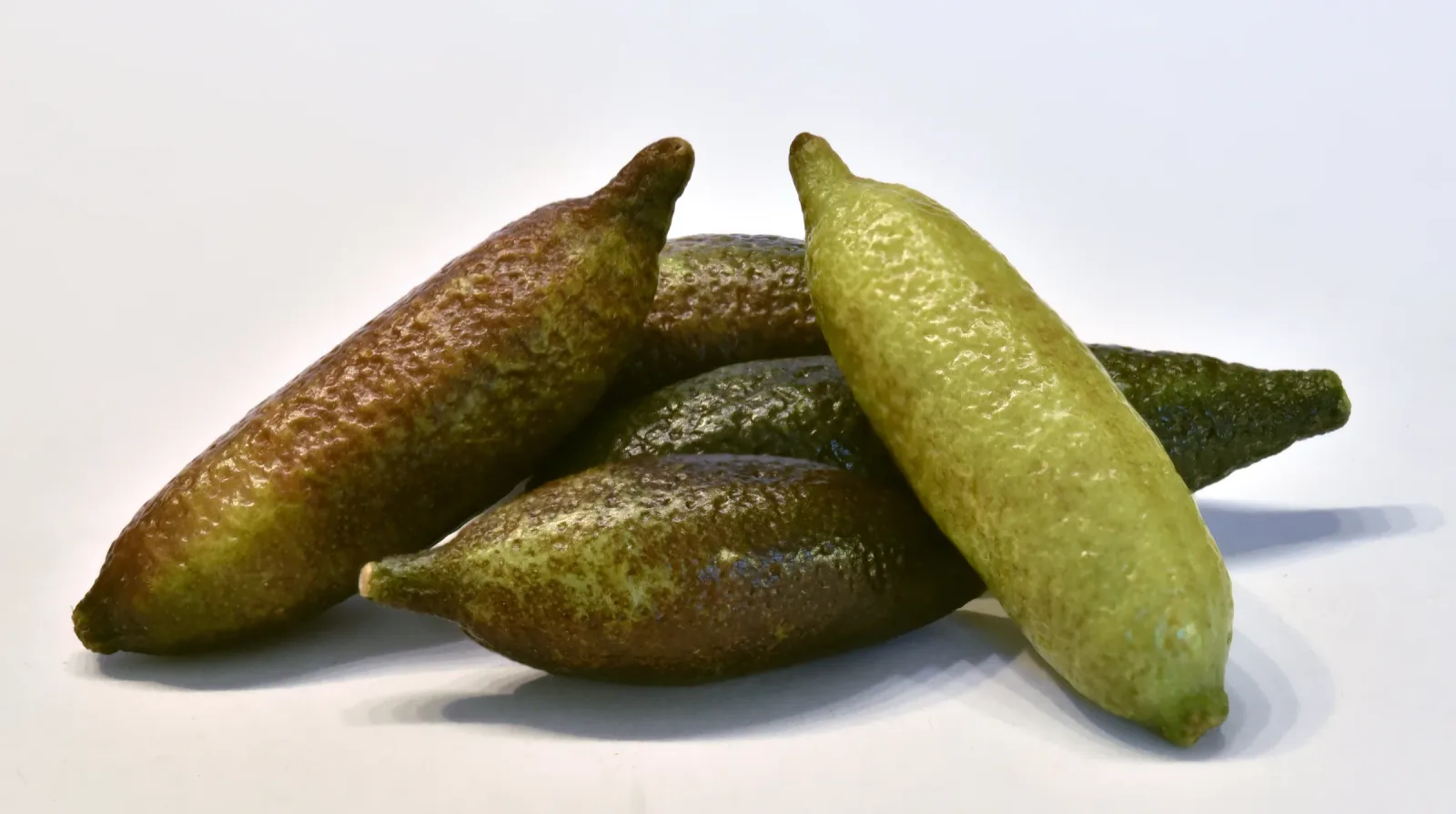
Finger lime is a spiny native citrus with elongated fruit filled with juice pearls. Cultivars vary in fruit colour, size and harvest timing.
Care instructions
Care Guide & Maintenance Routine
In suitable eastern Australian or sheltered warm-temperate gardens, provide free drainage, shelter from strong wind and water through establishment and fruiting. More sun supports crops, but dappled light is tolerated.
Light & Sunlight
Dappled light is tolerated; full sun can maximise fruit production. In very hot sites, afternoon shade and adequate water may help.
Watering Schedule
Water deeply and regularly while young and when flowering or fruiting; adjust to rainfall and drainage. Do not keep roots waterlogged.
Potting Mix & Drainage
Well-drained, slightly acidic soil or quality citrus potting mix
Temperature & Humidity
In NSW and QLD, choose a warm sheltered site; in frost-prone districts use a protected north-facing position or movable container. Heat, rainfall and cultivar affect watering and harvest timing.
Citrus australasica is a Queensland native citrus that can be grown in the ground or a roomy pot in suitable climates. It is often sold grafted onto citrus rootstock. Choose the exact cultivar for fruit colour and local climate; do not assume every finger lime fruits in the same month.
Plant after the hottest summer weather, avoiding frost-prone winter planting. Give good drainage, mulch clear of the trunk and deep watering while roots establish. Feed lightly in late winter and spring. Prune only lightly and keep thorny growth away from paths.
Seasonal rhythm
Seasonal Calendar
| Month | Care Tasks | Seasonal Focus |
|---|---|---|
| Jan | Water deeply when soil begins to dry in summer; protect potted roots from overheating. | |
| Feb | Check fruit development and adjust watering to rainfall; harvest only ripe fruit of your cultivar. | |
| Mar | Inspect for branch dieback and keep mulch away from the trunk as autumn approaches. | |
| Apr | Assess soil moisture as temperatures ease; avoid unnecessary watering of cool, wet roots. | |
| May | In cooler districts prepare frost shelter for young plants; check drainage after rain. | |
| Jun | Where frost is expected, shelter young trees or move pots under cover. | |
| Jul | Avoid waterlogging in winter and inspect the graft union for unwanted rootstock shoots. | |
| Aug | Apply a light citrus or organic feed as late-winter growth resumes, following the label. | |
| Sep | Plant in a frost-free window; prune dead or crossing wood lightly before strong growth. | |
| Oct | Look for new growth and flowers; maintain steady moisture without saturated soil. | |
| Nov | A light late-spring feed may support growth; protect flowering plants from drying winds. | |
| Dec | During hot spells check pots often and avoid hard pruning while fruit is developing. |
Diagnostics
Common Problems & Troubleshooting
Poor fruiting in deep shade; root or collar rot from waterlogging or mulch against trunk; frost damage; branch dieback; water stress during fruiting.
Pests & seasonal watch: Inspect new growth and stems for citrus pests, scale and dieback. Avoid wet soil around the collar. Do not diagnose all leaf damage as one pest.
Similar Botanical Matches
Grower field notes
Reader Field Notes in Australia
Share how this plant performs in your local Australia climate.