| ☀️ Light | Full sun |
|---|---|
| 💧 Water | Moderate (lightly moist) |
| 🪴 Soil | Fertile, well-drained soil |
| 🐾 Safety | Cats: not verified · Dogs: not verified |
| 📏 Mature size | 1.5 m |
Where It Grows & Climate Tolerance
Pet & Companion Animal Toxicity (Agapanthus in Australian Gardens)
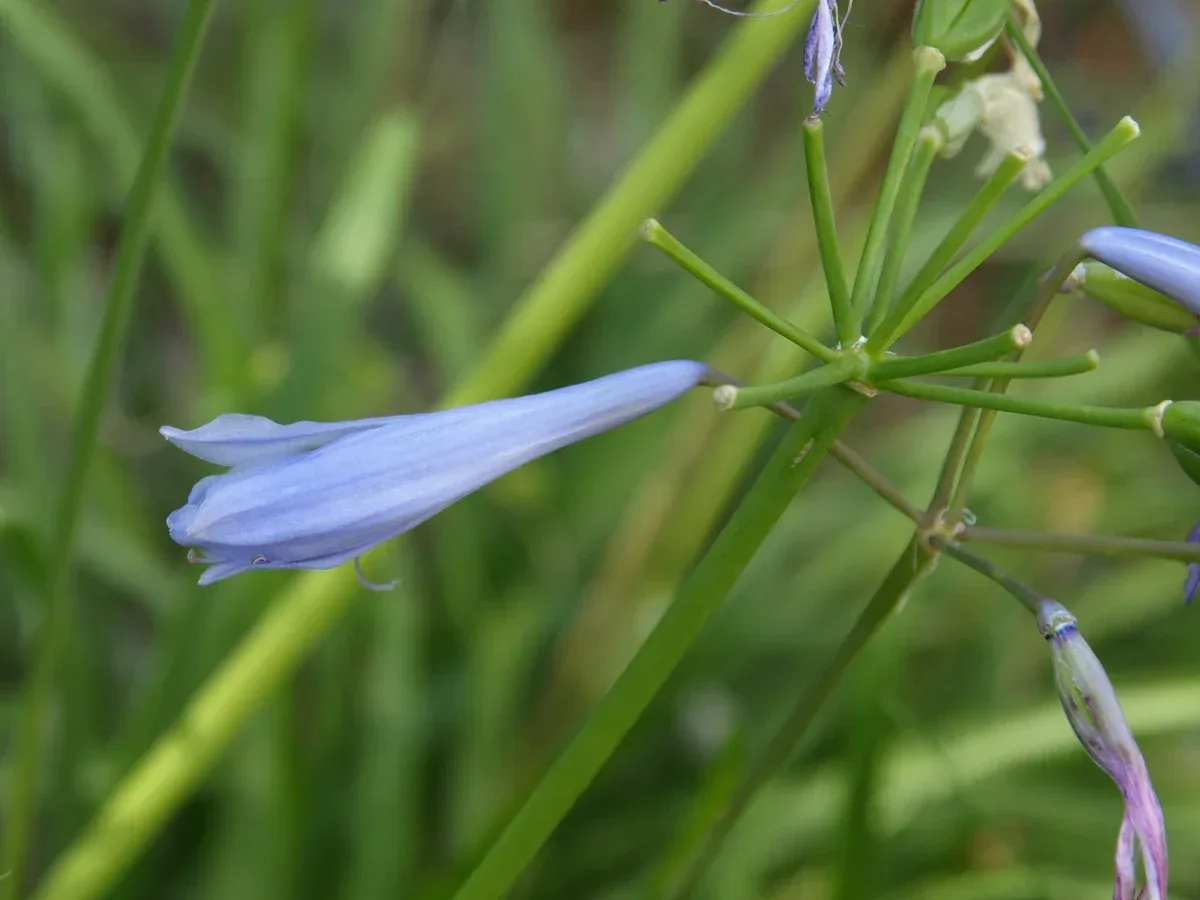
Blue or white flower heads make this familiar summer plant easy to recognise. In some Australian districts it spreads into bushland, so check local advice first.
Care instructions
Care Guide & Maintenance Routine
Use full sun and free-draining soil. Water until established, protect evergreen plants from hard frost and remove seed heads before they ripen.
Light & Sunlight
Full sun gives the strongest flowering. Light shade may reduce bloom.
Watering Schedule
Water new plants until established. Check pots more often during hot dry weather; do not leave roots waterlogged.
Potting Mix & Drainage
Fertile, well-drained soil
Temperature & Humidity
Evergreen Agapanthus praecox is frost tender. Conditions differ between coastal subtropics, inland frost pockets and cool temperate gardens.
Agapanthus is common in Australian streets and gardens, but it should not be treated as harmless everywhere. Weeds Australia identifies Agapanthus praecox and several subspecies as environmental weeds. The Yarra Ranges Council notes that seeds and root fragments can escape into bushland. Check your council guidance before planting; where it is a local weed, select an appropriate native alternative.
If the plant is suitable in your area, set it in a sunny place with well-drained soil. Water new clumps as roots establish, then adjust to rainfall and heat. Potted plants need closer checks in summer. In cooler southern or elevated districts, protect evergreen A. praecox from hard frost. A movable pot makes this easier and can help contain spread, but remove seed heads before seeds mature.
In most areas, flower stems rise in the warmer months. Timing differs across Australia, so use the plant rather than a fixed month as your guide. Cut spent heads before seed forms, clean tools and dispose of plant material through your council-approved method. Never leave root pieces or seed heads on bushland edges. Divide a crowded clump when new growth is active if local guidance allows it. The RHS says all parts are harmful if eaten, so keep children and animals from chewing it.
Seasonal rhythm
Seasonal Calendar
| Month | Care Tasks | Seasonal Focus |
|---|---|---|
| Jan | Summer flowering varies by district; inspect flower heads and cut them before seed develops. | |
| Feb | Keep checking spent heads and dispose of seed-bearing material through council-approved waste. | |
| Mar | In warm areas, finish seed-head removal and check for self-sown plants. | |
| Apr | Water less as conditions cool; inspect drainage after rain. | |
| May | In frost-prone districts, plan protection for evergreen clumps or movable pots. | |
| Jun | Protect containers from hard frost in colder locations; avoid wet roots. | |
| Jul | Check frost damage and leave healthy foliage in place. | |
| Aug | As growth resumes, remove dead leaves and assess whether a crowded clump needs division. | |
| Sep | Divide only where local weed advice permits; contain and dispose of root pieces carefully. | |
| Oct | Watch new growth and water new plants while roots establish. | |
| Nov | Provide sun and check pot moisture as weather warms. | |
| Dec | Flowering may begin; remove faded heads before seeds mature. |
Diagnostics
Common Problems & Troubleshooting
Few flowers can result from too little sun. Wet soil can damage roots. Seed and root fragments can spread into natural areas.
Pests & seasonal watch: Check for slugs and snails in dense foliage. Prevent seed escape and dispose of divisions responsibly.
Similar Botanical Matches
Grower field notes
Reader Field Notes in Australia
Share how this plant performs in your local Australia climate.