
| ☀️ Light | Full sun |
|---|---|
| 💧 Water | Moderate (lightly moist) |
| 🪴 Soil | Well-drained citrus compost or loam with good aeration |
| 🐾 Safety | Cats: not verified · Dogs: not verified |
Where It Grows & Climate Tolerance
Pet & Companion Animal Toxicity (Kumquat Tree)
Not yet verified: Toxicity status for cats, dogs, and horses has not yet been confirmed against veterinary poison-control records. Keep out of reach of pets or consult your veterinarian.
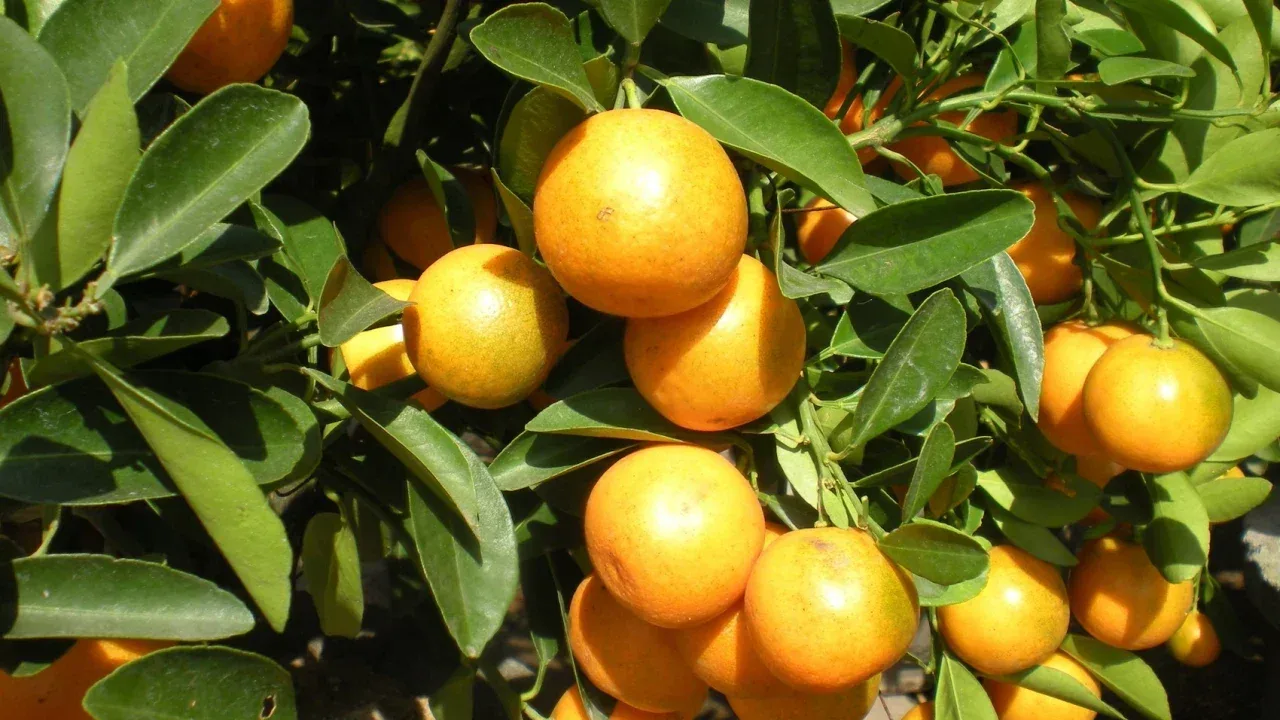
A kumquat is a compact citrus tree with small orange fruits, glossy leaves and fragrant flowers. The sweet peel and tart pulp give many cultivars their distinctive flavour. A movable pot gives a young tree more options when weather turns cold.
Care instructions
Care Guide & Maintenance Routine
Grow a kumquat in strong light and a freely draining citrus mix. Water when the upper mix begins to dry and drain the pot. Feed during active growth and choose a bright, frost-sheltered winter position where needed.
Light & Sunlight
Give an established tree several hours of direct sun. Increase outdoor exposure gradually after months inside.
Watering Schedule
Water the whole root ball when the mix begins to dry, then let runoff escape. A cool winter pot usually takes longer to dry.
Potting Mix & Drainage
Well-drained citrus compost or loam with good aeration
Temperature & Humidity
Kumquat is relatively cold tolerant among citrus. Young trees in pots need protection from freezing weather, and roots in wet mix are especially vulnerable in the cold.
A kumquat is a compact citrus tree with small orange fruits, glossy leaves and fragrant flowers. The sweet peel and tart pulp give many cultivars their distinctive flavour. A movable pot gives a young tree more options when weather turns cold.
Choose a pot you can move
Start with a named nursery plant and a pot that is easy to lift before cold nights. Use a citrus mix that lets air reach the roots after watering. Avoid burying the graft, and pinch out any new shoots that come from below it.
Match water and feeding to growth
Check moisture below the surface and water thoroughly when it begins to dry. A sunny pot on a paved patio needs closer checks in summer. Feed with a citrus fertiliser during active growth according to its label. Check light and drainage before feeding a tree that has stalled.
Watch the change in light after winter
Put the pot in a bright, sheltered place when it has to come indoors. Check the leaf undersides for scale before moving it. As spring arrives, acclimate it to outside light in stages so tender indoor leaves have time to adjust.
Growing in India, Canada and Australia
India
A potted kumquat works on a sunny balcony with open drainage. In northern gardens, protect a young tree when frost is forecast. In the rainy season, check the pot rather than watering by habit. Move the container out of standing rainwater and give it space for air movement.
Canada
Treat it as a movable citrus tree in most Canadian homes. Before the first frost, give the pot a bright, cool and frost-free winter position. Inspect stems for scale before the move and keep the leaves away from icy glass. Start returning the tree to outdoor sun gradually after frost risk passes.
Australia
Put the pot where it receives direct sun and drains between showers. In cooler inland districts, shelter a small tree from frost and let the mix dry a little between winter waterings. In a warm courtyard, check for heat around the container on very hot afternoons.
Read more on GardenOrbit. GardenOrbit’s lemon profile
Sources
- Royal Horticultural Society · Kumquat
- Royal Horticultural Society · Growing citrus
- UF/IFAS Extension · Kumquat
- Kew Plants of the World Online · Citrus japonica
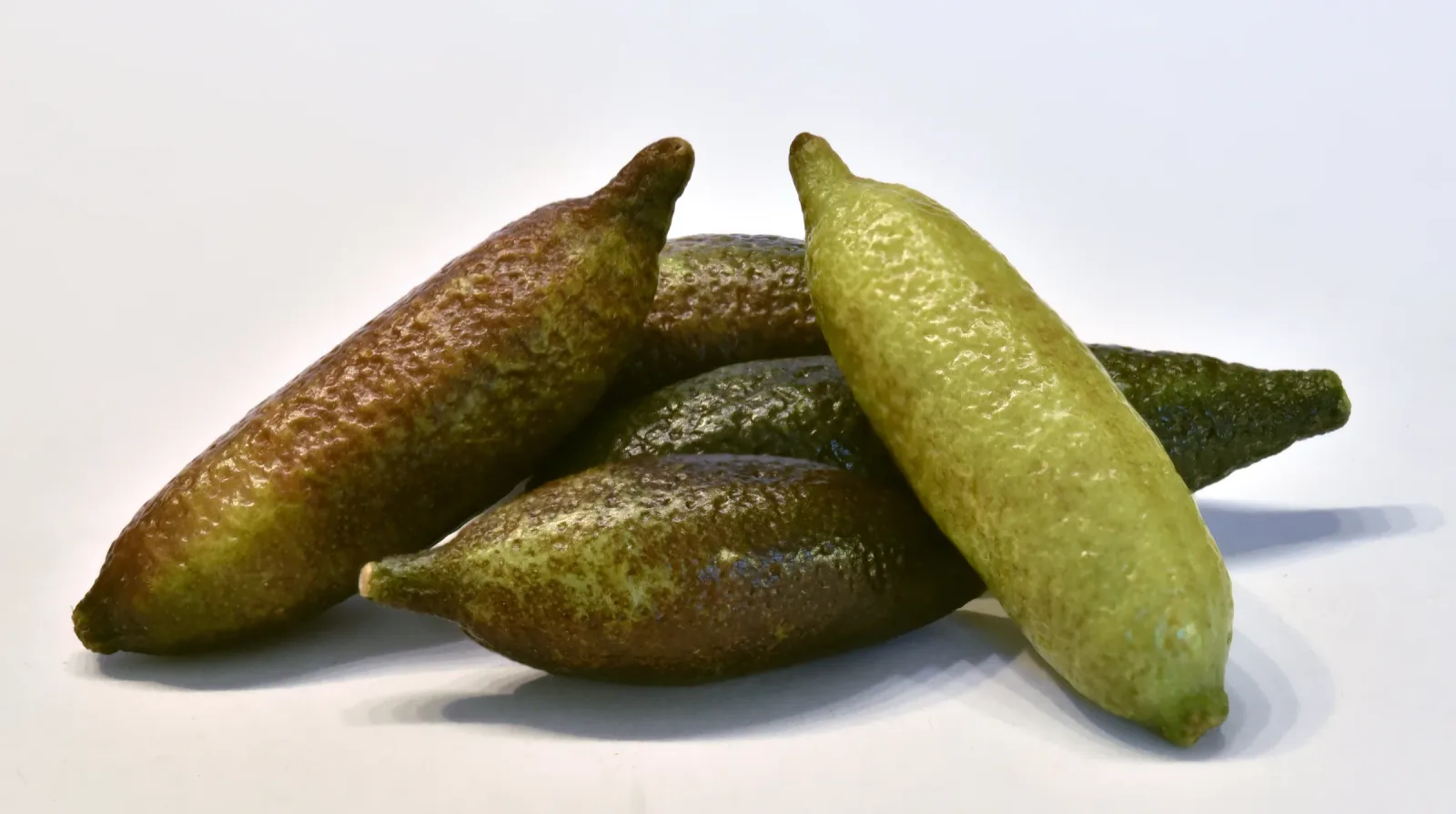
Featured photo by Phuong Tran via Wikimedia Commons. CC BY 2.0. Resized for display.
Seasonal rhythm
Seasonal Calendar
A month-by-month calendar for Kumquat Tree in Global is coming soon. See the light, water and temperature notes above.
Diagnostics
Common Problems & Troubleshooting
Check drainage, root crowding and light when several leaves drop. Sticky leaves or bumps along twigs can point to scale. Distorted growth can also follow a sudden move indoors.
Q&A
Frequently Asked Questions
Can a kumquat tree grow inside during winter?
Yes. Give it the brightest sheltered position available and check the mix before watering. Strong light protects new growth during short winter days.
Why are my kumquat leaves dropping?
Check whether the tree moved suddenly into lower light, sat in cold wet soil, or developed pests. A moisture check and a close look at stems are good first steps.
Similar Botanical Matches
Keep exploring
Related plants

Grower field notes
Reader Field Notes in Global
Share how this plant performs in your local Global climate.