
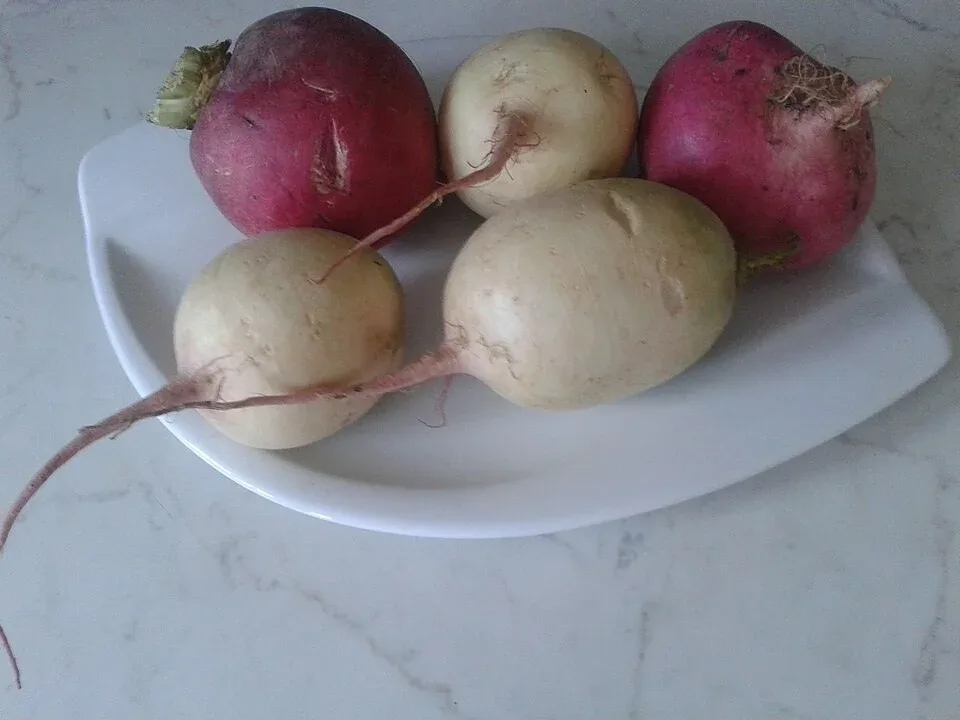
| ☀️ Light | Full sun |
|---|---|
| 💧 Water | Moderate (lightly moist) |
| 🪴 Soil | Loose, well-drained mix with mature compost |
| 🐾 Safety | Cats: not verified · Dogs: not verified |
Where It Grows & Climate Tolerance
Pet & Companion Animal Toxicity (Turnip (Shalgam))
Not yet verified: Toxicity status for cats, dogs, and horses has not yet been confirmed against veterinary poison-control records. Keep out of reach of pets or consult your veterinarian.
Grow turnips in a sunny container during cool weather. Small roots tend to be more tender, and young leaves can also be harvested.
Care instructions
Care Guide & Maintenance Routine
Sow turnips in loose mix as the autumn heat eases in northern plains. In higher elevations, use the local cool growing window and check the packet for the cultivar’s spacing.
Light & Sunlight
Choose an open spot with full sun during the growing season. In hot weather, morning light with afternoon shade helps keep a container cooler.
Watering Schedule
Water as the surface starts to dry. Direct water to the mix and keep drainage holes open.
Potting Mix & Drainage
Loose, well-drained mix with mature compost
Temperature & Humidity
Cool-season crop. Time active growth to mild local weather and give pots protection when heat arrives.
Growing Turnip in India
Harvest a small root to check for tenderness. Keep seedlings thinned so individual roots can swell and inspect young leaves for flea beetle damage.
Seasonal care
In northern Indian plains, sow as the weather cools in autumn. Time the crop so roots reach harvest size before prolonged spring heat.
Potting mix
Loose, well-drained potting mix with mature compost. Break up hard clumps before you sow.
Photo credit: E4024 · CC BY-SA 4.0. Resized and converted to WebP for GardenOrbit.
Seasonal rhythm
Seasonal Calendar
| Month | Care Tasks | Seasonal Focus |
|---|---|---|
| Jan | Harvest | Pick only when the crop is mature. Check overnight temperatures before sowing again. |
| Feb | Harvest | Check the latest sowings before afternoons turn hot in north plains. |
| Mar | Protect from frost/heat | Shelter remaining plants from hot afternoons during early warming. |
| Apr | Protect from frost/heat | Use the local hill growing season where conditions are still mild. |
| May | Protect from frost/heat | In hot plains, pause sowing and store seed in a cool dry place. |
| Jun | Protect from frost/heat | Open container drainage before rain and replace compacted mix. |
| Jul | Protect from frost/heat | Wait for a drier, cooler sowing window if heavy rain persists. |
| Aug | Protect from frost/heat | Clean and dry containers before preparing the next batch. |
| Sep | Sow | Start only when local days have cooled enough for establishment. |
| Oct | Sow | Sow or transplant into a sunny container as local weather permits. |
| Nov | Plant out | Thin or space young plants promptly and keep the mix evenly moist. |
| Dec | Protect from frost/heat | Check the pot before watering on cold, foggy mornings. |
Diagnostics
Common Problems & Troubleshooting
Flea beetles can pepper young leaves with holes. Small or misshapen roots can result from overcrowding or compacted mix.
Similar Botanical Matches
Keep exploring
Related plants

Grower field notes
Reader Field Notes in India
Share how this plant performs in your local India climate.