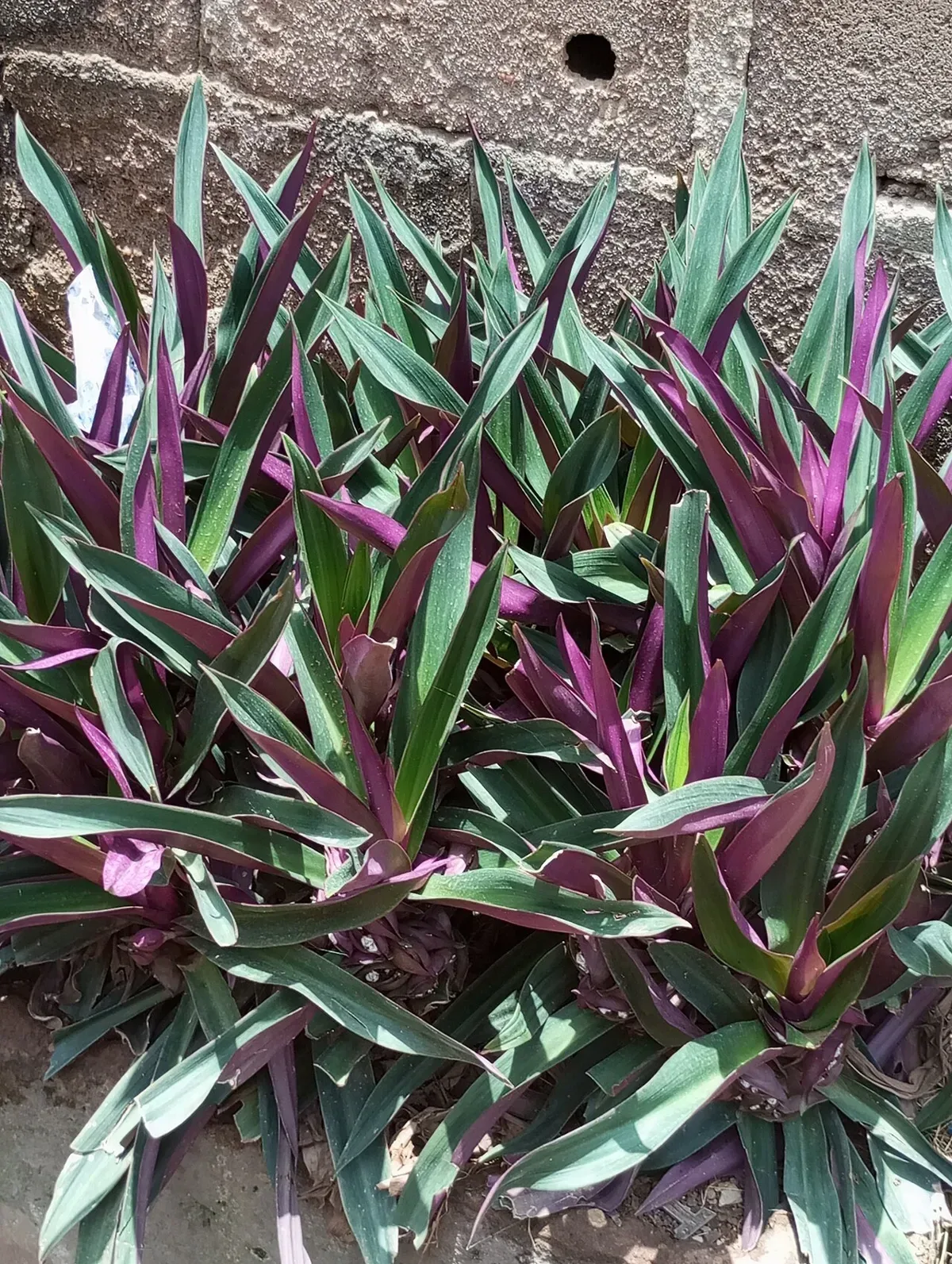
| ☀️ Light | Bright indirect light |
|---|---|
| 💧 Water | Low (allow soil to dry) |
| 🪴 Soil | Well-drained potting mix |
| 🌡️ Temp | 5°C – 38°C |
| 🐾 Safety | Cats: toxic · Dogs: toxic |
| 📏 Mature size | 30 cm |
Where It Grows & Climate Tolerance
Pet & Companion Animal Toxicity (How to Grow Moses-in-the-Cradle in Canada)
From Victoria condos to St. John's kitchens, moses-in-the-cradle is a fuss-free windowsill plant. It can holiday on a shaded deck between June and Labour Day, but Canadian nights turn too chilly by September. Dim December days, not drought, are what usually trouble it.
Care instructions
Care Guide & Maintenance Routine
Park it by a sunny pane, clipping on an LED fixture from Remembrance Day to March. Let the top inch or two dry out, and stretch watering to every two or three weeks while the furnace runs. Wheel it onto the balcony once June nights stay mild, and haul it back before Labour Day.
Light & Sunlight
NC State recommends plenty of bright, indirect light, and notes that in low light the plant stretches and becomes lanky, or the purple leaves revert to green. Outdoors, it needs afternoon shade.
Watering Schedule
NC State advises letting the top 2.5 to 5 cm of soil dry between waterings in containers and cutting back on water in winter. Overwatering causes root rot.
Potting Mix & Drainage
Well-drained potting mix
Temperature & Humidity
No outdoor hardiness anywhere in Canada. January drafts from entryways, single-pane glass or an unheated sunroom scorch foliage. A cold car ride home from the store in February can do the same, so wrap it.
Moses-in-the-cradle in Canadian homes
Moses-in-the-cradle is a forgiving houseplant that suits Canadian apartments and offices. NC State notes it grows outdoors only in zone 9 and warmer and that containers should be moved inside when frost threatens, so in Canada it lives indoors for most of the year.
Winter light
From November to February, Canadian winter days are short and the sun is low. NC State warns that in low light the plant stretches and its purple leaves revert to green. Move it to the brightest window you have, ideally south or west in winter, or add an LED grow light on a timer for 12 hours a day.
Watering in heated homes
NC State advises cutting back on water in winter. With cool nights and low light, a pot may need water only every two to three weeks. Check by feeling the top 2.5 to 5 cm. Overwatering in winter is the most common cause of rot. Dry forced-air heat can brown leaf tips, but the plant usually copes.
Summer outdoors
Once nights stay above about 10°C, usually in early June in southern Ontario and Quebec and mid-June on the Prairies, the plant can go out to a shaded deck or balcony. NC State recommends afternoon shade outdoors. Bring it back inside by early September, before cool nights, and check for whiteflies, mealybugs and spider mites first.
Region notes
- Vancouver, Victoria: outside from late May to September in a sheltered spot.
- Toronto, Ottawa, Montréal: June to early September outdoors.
- Calgary, Edmonton, Winnipeg, Saskatoon, Regina: a short outdoor season; many keep it indoors year-round.
- Atlantic provinces: a bright, indoor windowsill year-round.
Safety at home
NC State lists the plant as toxic to humans and pets if eaten, and its sap can irritate skin. Keep it on a shelf away from cats, dogs and toddlers, and wear gloves when dividing it.
Condos, offices and grow lights
In a Toronto or Vancouver condo with floor-to-ceiling glass, moses-in-the-cradle does well a metre or so back from a south or west window. In a north-facing unit or a basement suite, a clip-on LED grow light above the pot keeps the purple undersides bright through the dark months. It is a good choice for office desks in Calgary or Halifax, where staff can water it every couple of weeks. Avoid placing it right above a baseboard heater or forced-air vent, where leaf tips crisp. When buying from a big-box store in February, wrap the pot for the trip home; even a short walk at -20°C can damage the leaves.
A typical year in Ottawa
The plant spends winter on a bright south windowsill with little water. In April it is divided or repotted and feeding begins. It goes onto a shaded balcony in June and comes back in on Labour Day weekend.
Questions from Canadian readers
- Why has my plant turned green over winter? Low light. Move it closer to a window or add a grow light, and colour returns in spring.
Seasonal rhythm
Seasonal Calendar
| Month | Care Tasks | Seasonal Focus |
|---|---|---|
| Jan | protect | January: sunniest sill; a sip of water every few weeks. |
| Feb | protect | Family Day: peer into crowns for cottony mealybugs. |
| Mar | protect | March break: clip on an LED fixture if purple has faded. |
| Apr | feed, repot | April: split crowded crowns; begin dilute fertilizer. |
| May | protect | Victoria Day: still too cool outside in most provinces. |
| Jun | plant | June: carry it out to a shaded balcony or porch. |
| Jul | feed | Canada Day: monthly fertilizer; shelter from noon sun. |
| Aug | feed | Civic holiday: rinse off dust with the garden hose. |
| Sep | protect | Labour Day: bring it back inside; scout for whiteflies. |
| Oct | protect | Thanksgiving: stop fertilizing as daylight shrinks. |
| Nov | protect | Remembrance Day: shift it off frosty glass. |
| Dec | protect | December: keep clear of forced-air registers. |
Diagnostics
Common Problems & Troubleshooting
Green, stretched rosettes in low light; root rot in wet soil; brown tips in very dry air; mealybugs at the leaf bases; skin irritation from sap; seedlings spreading in warm gardens.
Pests & seasonal watch: Mealybugs tuck into the rosette crowns, spider mites flare beside baseboard heaters, whiteflies ride in on pots returning from the patio, and soggy winter compost breeds fungus gnats and rot.
- Root rot — Roots turn brown and mushy in soil that stays wet.
- Mealybugs — White cottony clumps in leaf joints, often with sticky honeydew.
- Leggy — Long weak stems with big gaps between small leaves, leaning to the window.
- Spider mites — Fine webbing and pale speckled leaves, worse in dry heated rooms.
- Whitefly — Tiny white insects fly up in a cloud when you touch the plant.
- Leaf spot — Brown or tan spots with a yellow halo, sometimes with tiny dots in the centre.
- Overwatering — Soil stays wet, leaves yellow or droop, and the pot feels heavy.
- Fading variegation — Variegated leaves come in greener, or whole shoots turn fully green.
Similar Botanical Matches
Grower field notes
Reader Field Notes in Canada
Share how this plant performs in your local Canada climate.