
| ☀️ Light | Medium light |
|---|---|
| 💧 Water | Moderate (lightly moist) |
| 🪴 Soil | Rich, moist, well-drained woodland soil |
| 🌡️ Temp | -35°C – 28°C |
| 🐾 Safety | Cats: toxic · Dogs: toxic (ASPCA Animal Poison Control) |
| 📏 Mature size | 80 cm |
Where It Grows & Climate Tolerance
Pet & Companion Animal Toxicity (Bleeding Heart)
Classic spring perennial for Canadian shade; goes dormant in summer heat — mark the spot.
Care instructions
Care Guide & Maintenance Routine
Part shade, moist soil, mark location for summer dormancy, divide in early spring or fall.
Light & Sunlight
Morning sun or dappled shade.
Watering Schedule
Moist in spring; reduce when dormant.
Potting Mix & Drainage
Rich, moist, well-drained woodland soil
Temperature & Humidity
Zone 3 hardy.
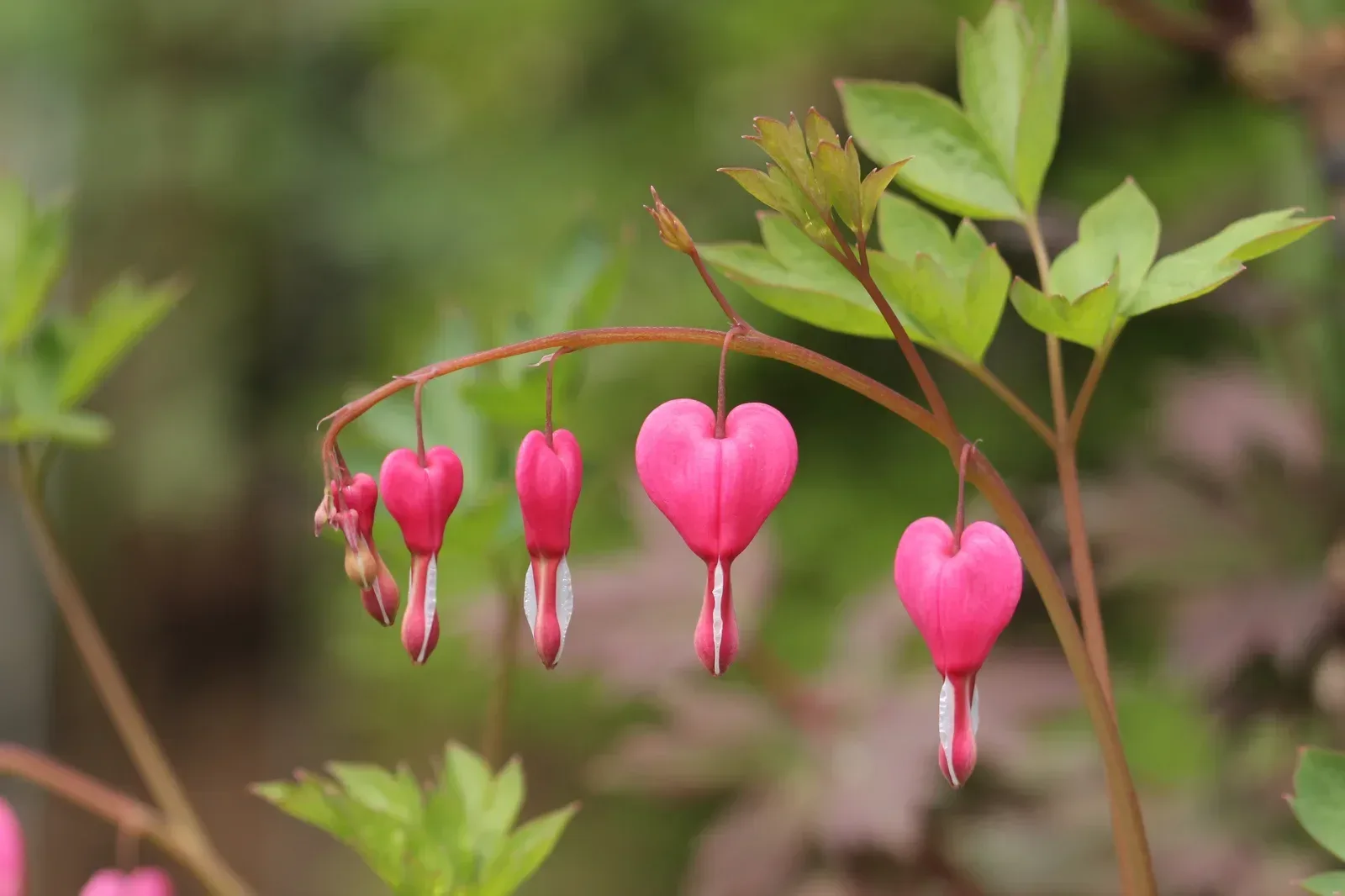
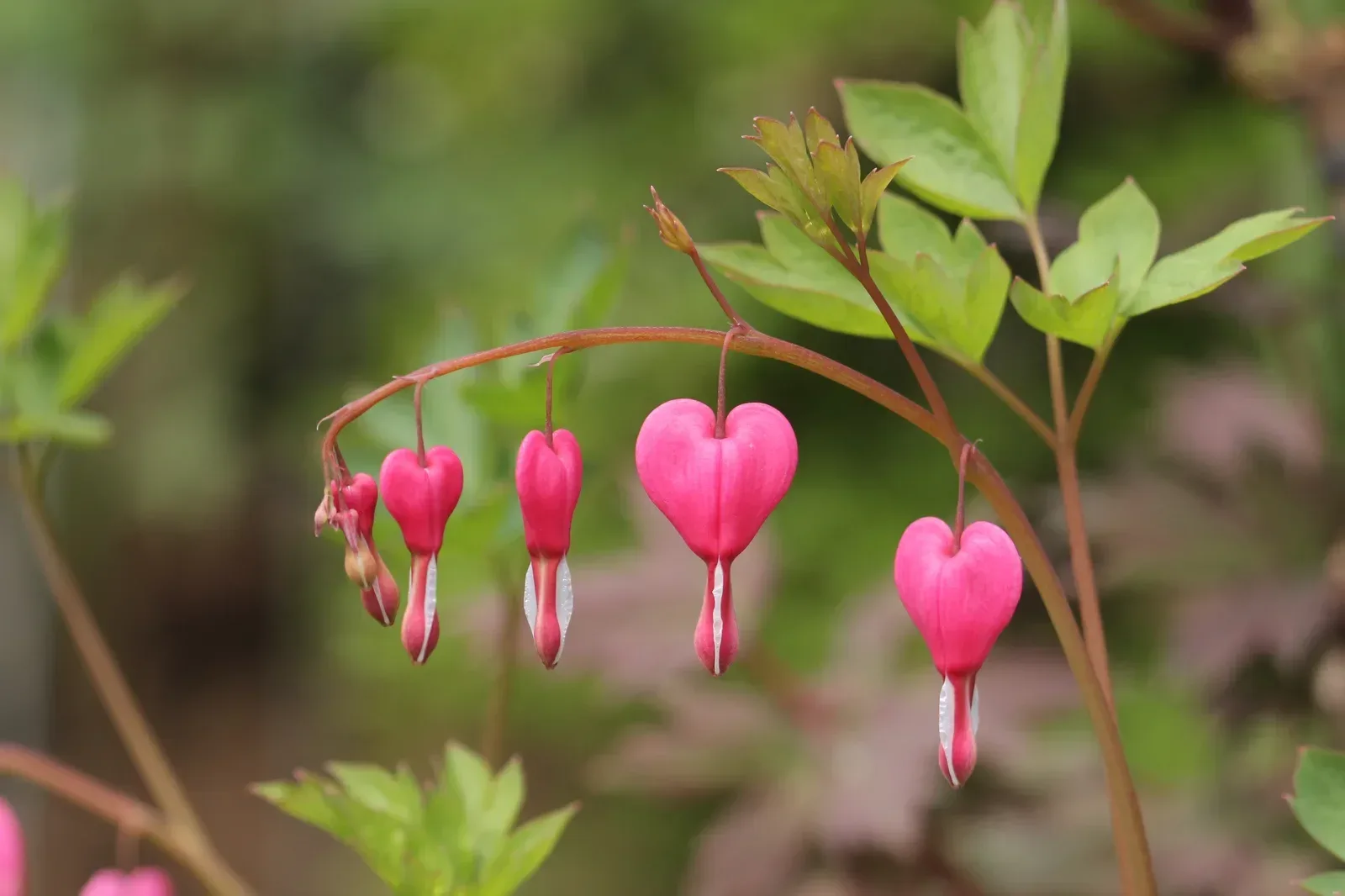
Bleeding heart hangs pink hearts along arching stems in Canadian spring shade gardens.
Give morning sun or dappled shade and rich, moist soil. Hot dry sites make it go dormant early.
After bloom the foliage yellows and the plant often rests for summer. Mark the spot so you do not dig into the crown later. Divide in early spring or fall.
Zone 3 hardy. Toxic if chewed. Pair with hostas and ferns that cover the gap when bleeding heart sleeps through July heat.
Bleeding heart is the plant Canadian shade gardeners forget about by August — then panic. Mark clumps with a stake when foliage fades so autumn planting does not slice the crown. Moist spring soil and part shade give the longest show.
Fern-leaf types may hold foliage longer than old-fashioned spectabilis. All are toxic if chewed. Pair with hostas that expand as bleeding heart rests. Zone 3 hardiness and early bloom make it worth the summer gap.
Old-fashioned bleeding heart wants shelter from harsh afternoon sun and wind that shreds soft stems. A north or east foundation bed suits it. Water in dry springs so bloom lasts longer. After dormancy the crown sits waiting — a light compost top-dress in fall is enough. Fern-leaf hybrids often stay leafy longer and fit smaller beds. Wear gloves if sap bothers your skin, and teach kids not to snack on the pretty hearts.
Seasonal rhythm
Seasonal Calendar
A month-by-month calendar for Bleeding Heart in Canada is coming soon. See the light, water and temperature notes above.
Diagnostics
Common Problems & Troubleshooting
Early die-back (heat/dry); dug up during dormancy.
Pests & seasonal watch: Slugs on soft growth.
Care encyclopedia · 1 guide
Guides & Articles for Bleeding Heart
Q&A
Frequently Asked Questions
Why did it disappear in July?
Summer dormancy is normal. Mark the spot.
Sun or shade?
Part shade is best.
Is it toxic?
Yes — keep from pets.
When to divide?
Early spring or fall.
Similar Botanical Matches
Keep exploring
Related plants
Grower field notes
Reader Field Notes in Canada
Share how this plant performs in your local Canada climate.