
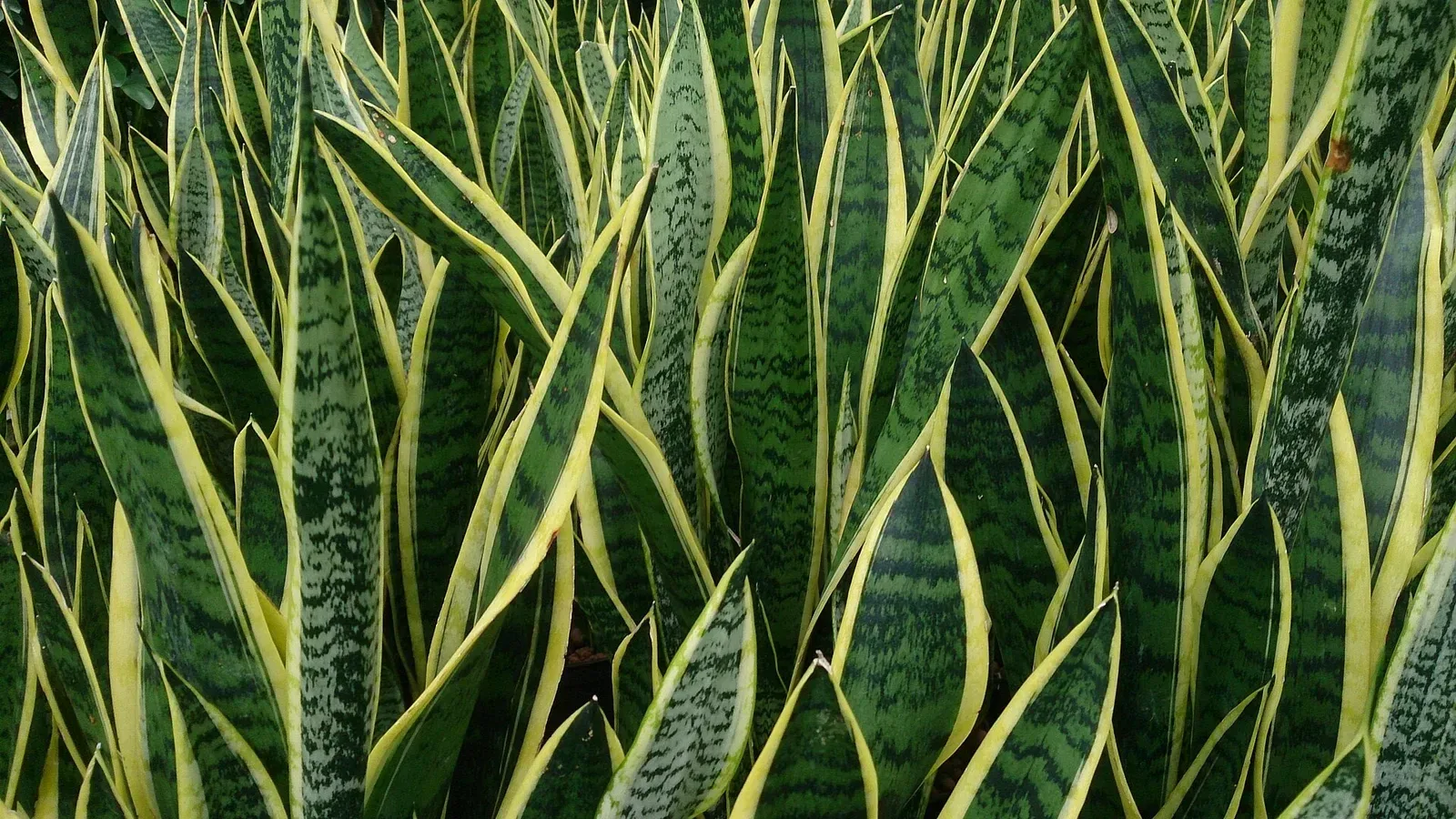
| ☀️ Light | Low light |
|---|---|
| 💧 Water | Low (allow soil to dry) |
| 🪴 Soil | Well-draining cactus/succulent mix |
| 🌡️ Temp | 12°C – 35°C |
| 🐾 Safety | Cats: toxic · Dogs: toxic (ASPCA Animal Poison Control) |
| 📏 Mature size | 90 cm |
Where It Grows & Climate Tolerance
Pet & Companion Animal Toxicity (Snake Plant Care in Australia)
Snake Plant (Dracaena trifasciata) care guide for Australian gardeners across ABC Tropical, Subtropical, Arid, Warm Temperate and Cool Temperate zones (12-35°C).
Care instructions
Care Guide & Maintenance Routine
Ideal low-maintenance foliage plant for Australian terraces, bedrooms and humid subtropical verandahs from Brisbane to Perth and indoor rooms in Melbourne or Hobart. Watering: low; Light: low; Soil: Well-draining cactus/succulent mix.
Light & Sunlight
Australian harsh northern sun (Queensland, WA coast and inland terraces) calls for low conditions shaded from intense afternoon western glass exposure.
Watering Schedule
Match low watering rhythms to local humidity: check pots more often during dry Perth/Adelaide summers and allow potting mix to drain freely during wet coastal QLD summers.
Potting Mix & Drainage
Well-draining cactus/succulent mix
Temperature & Humidity
Optimal Australian temperature range derived from species tolerance: 12°C minimum to 35°C maximum. Protect frost-sensitive foliage whenever southern overnight lows dip toward 12°C.
Ideal low-maintenance foliage plant for Australian terraces, bedrooms and humid subtropical verandahs from Brisbane to Perth and indoor rooms in Melbourne or Hobart.
In Australia, seasonal care shifts by six months relative to the Northern Hemisphere: active feeding and repotting run from September through February (Spring and Summer), while cooler southern regions from Melbourne and Canberra to Hobart pause wet-season fertilising between June and August.
Seasonal rhythm
Seasonal Calendar
| Month | Care Tasks | Seasonal Focus |
|---|---|---|
| Jan | Water, Shade | Water sparingly in heat |
| Feb | Water, Check For Pests | Late Australian summer peak warmth (Feb); avoid fertilising heat-stressed roots |
| Mar | Taper Fertiliser | Taper fertilizer as growth slows |
| Apr | Repot, Taper Watering | Mid-autumn across NSW, VIC, WA and SA; bring tender patio pots inside south of Brisbane |
| May | Reduce watering | Late Australian autumn; halt nitrogen fertiliser before June winter rest |
| Jun | Protect from frost/heat, Reduce watering | Water less; let soil dry deeper |
| Jul | Protect from frost/heat | Coldest Australian winter month across Melbourne, Canberra, Hobart and inland towns; dry roots deeper between waterings |
| Aug | Inspect, Wipe leaves | Late Australian winter; plan early spring repotting (or dry-season outdoor sowing in Darwin/Cairns) |
| Sep | Repot, Fertilise | Resume regular watering as growth picks up |
| Oct | Fertilise, Propagate | Active mid-spring across southern & eastern Australia; frost danger passes in most VIC/ACT zones |
| Nov | Fertilise, Water | Late Australian spring warming; mulch outdoor beds before summer UV peaks |
| Dec | Water, Humidity | Early Australian summer; guard west-facing windows against afternoon glass scorch |
Diagnostics
Common Problems & Troubleshooting
Yellow mushy leaves = overwatering. Wrinkled leaves = underwatering or root bound.
Pests & seasonal watch: Watch for mealybugs in leaf crevices; wipe with neem oil solution.
- Yellow leaves — Leaves fade from green to yellow, often starting at the bottom.
- Root rot — Roots turn brown and mushy in soil that stays wet.
- Overwatering — Soil stays wet, leaves yellow or droop, and the pot feels heavy.
- Tired mix — Water races down the inside of the pot and the root ball stays dry, or the mix is a hard brick.
- Stem rot — The stem goes soft, dark or black at soil level and the top collapses.
Care encyclopedia · 1 guide
Guides & Articles for Snake Plant Care in Australia

Similar Botanical Matches
Keep exploring
Related plants
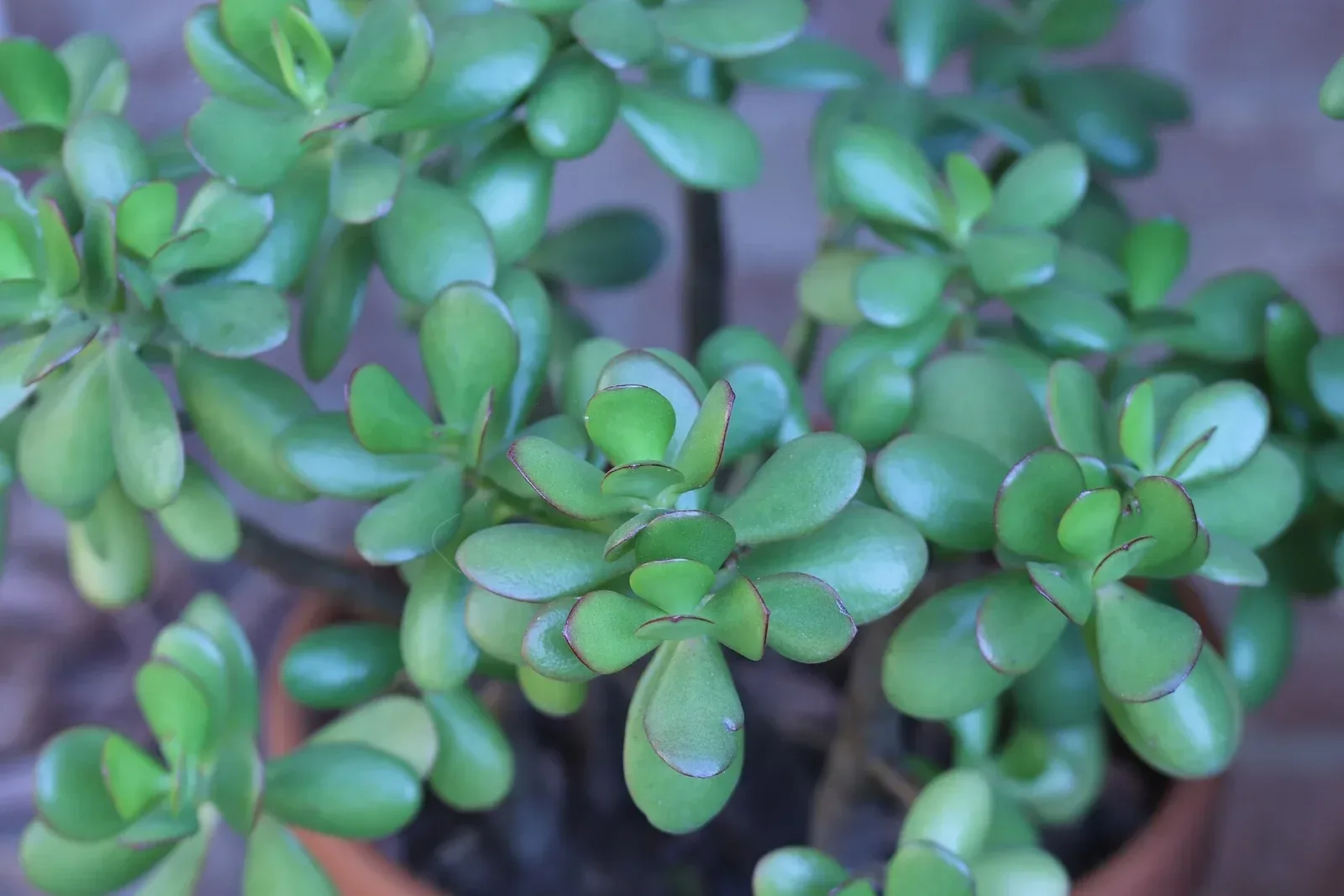
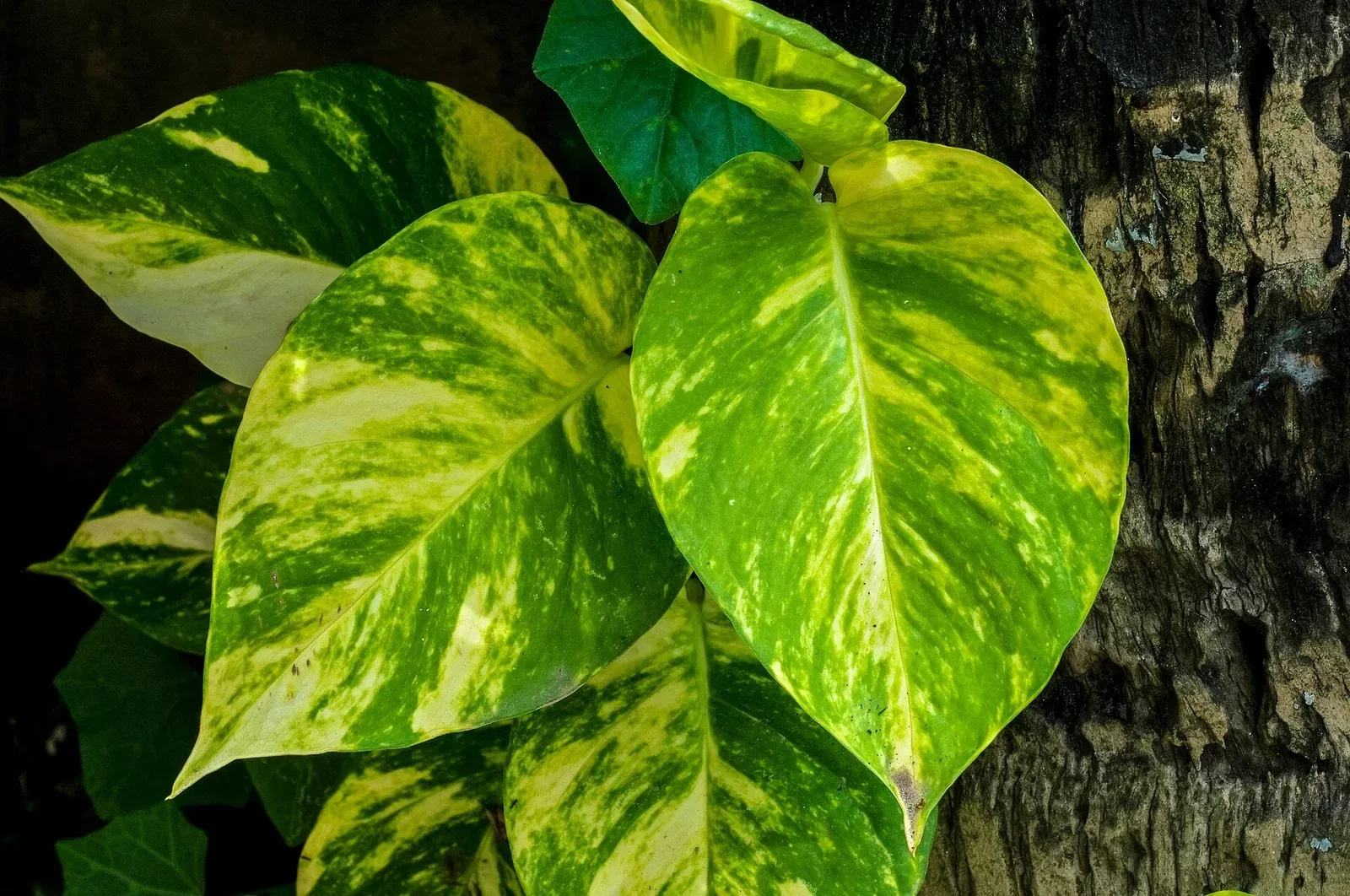
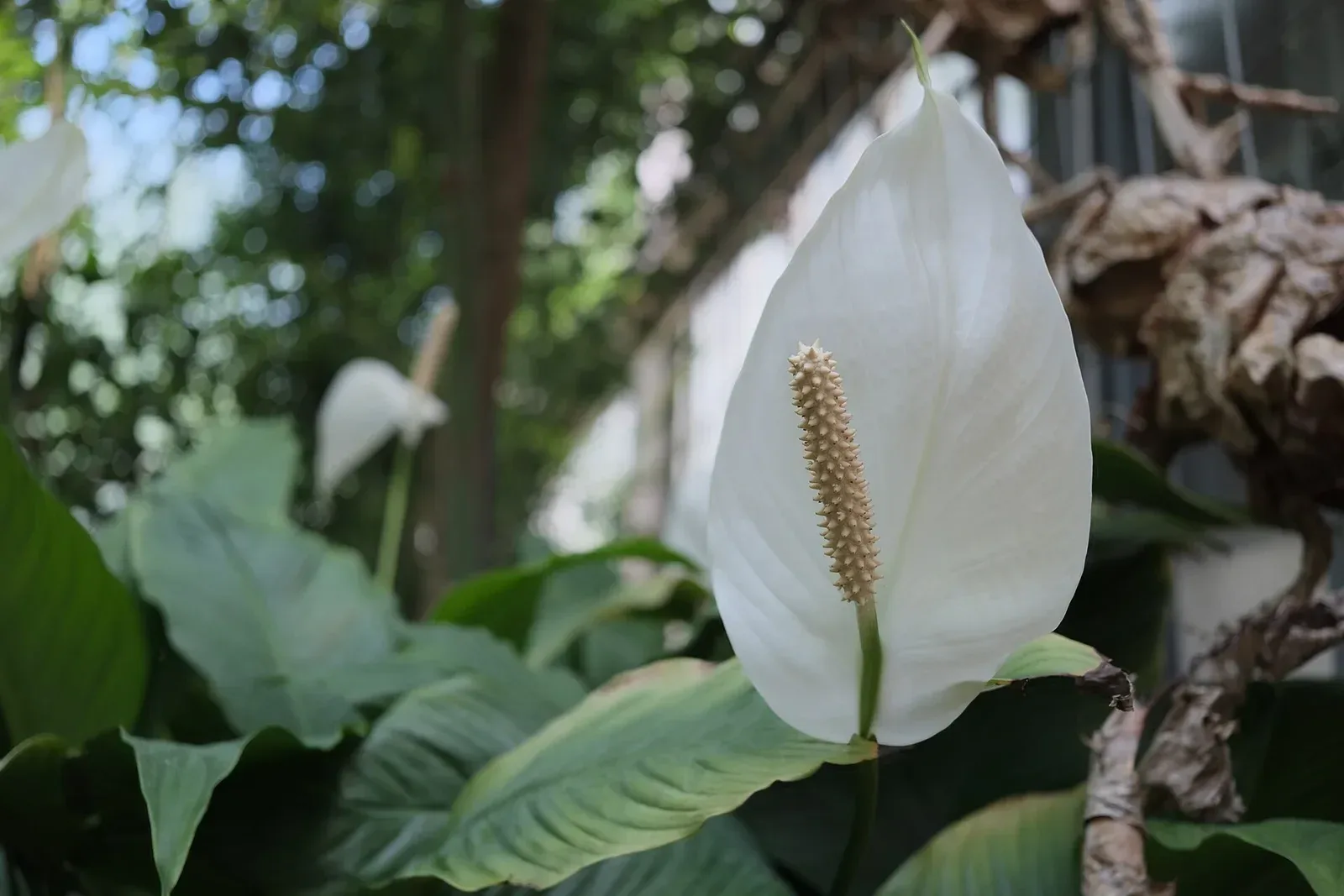
Grower field notes
Reader Field Notes in Australia
Share how this plant performs in your local Australia climate.