
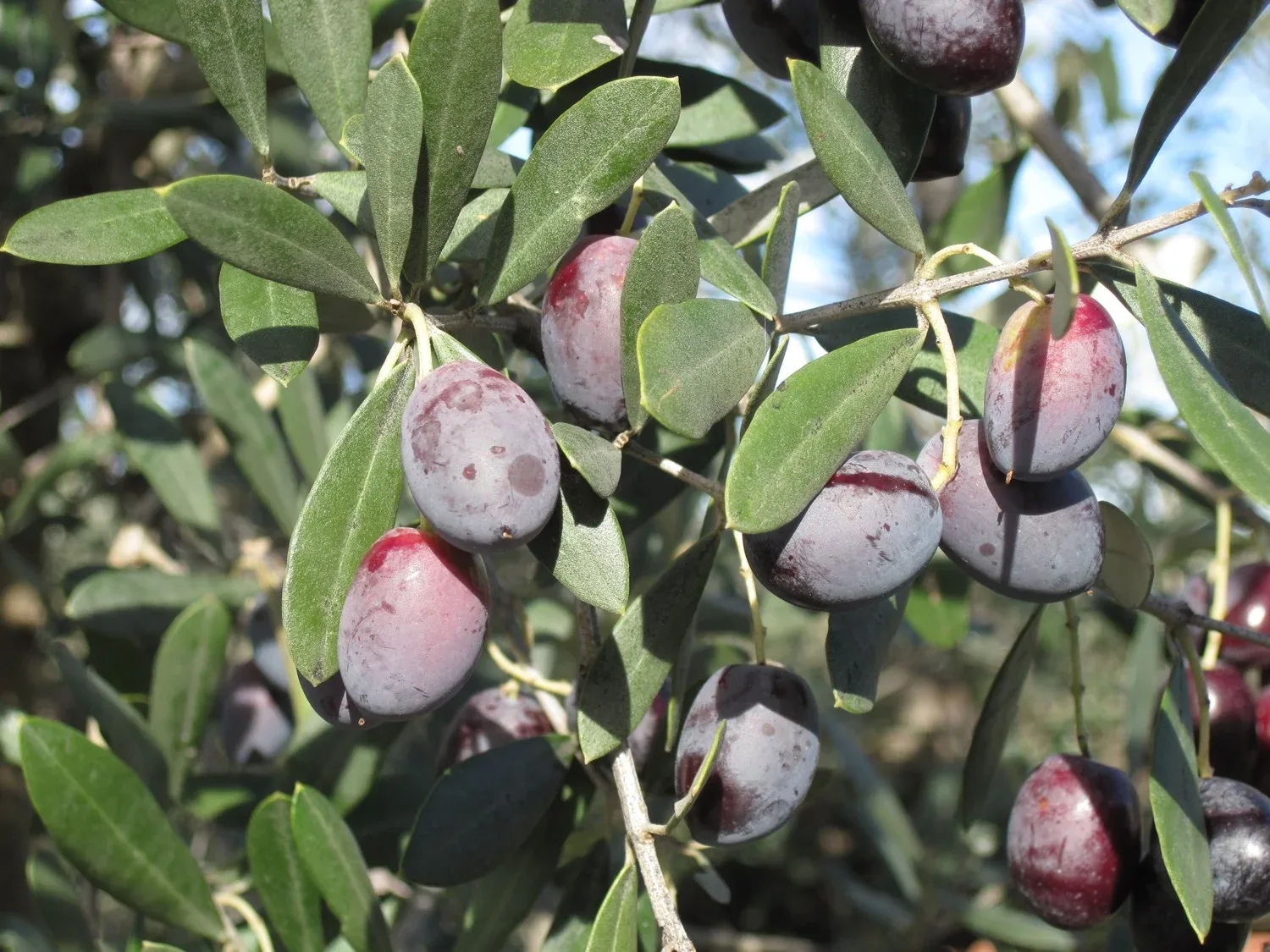
| ☀️ Light | Full sun |
|---|---|
| 💧 Water | Low (allow soil to dry) |
| 🪴 Soil | Fast-draining loam or an open, gritty container mix |
| 🐾 Safety | Cats: not verified · Dogs: not verified |
Where It Grows & Climate Tolerance
Pet & Companion Animal Toxicity (Olive Tree)
Not yet verified: Toxicity status for cats, dogs, and horses has not yet been confirmed against veterinary poison-control records. Keep out of reach of pets or consult your veterinarian.
Mediterranean-style conditions suit cultivated olives. Summers in a small pot can dry the roots rapidly, while cool rain can keep them wet for days. Site choice in Australia also depends on local feral-olive controls.
Care instructions
Care Guide & Maintenance Routine
Mediterranean-style conditions suit cultivated olives. Summers in a small pot can dry the roots rapidly, while cool rain can keep them wet for days. Site choice in Australia also depends on local feral-olive controls.
Light & Sunlight
Olives prefer direct sun. Gradually increase exposure for a tree moved outdoors after winter. An ordinary dim room seldom provides enough light for dense growth.
Watering Schedule
Water young trees and small pots regularly in dry weather. Let the surface dry between thorough waterings and cut back in cool weather.
Potting Mix & Drainage
Fast-draining loam or an open, gritty container mix
Temperature & Humidity
A mature tree in suitable ground handles cool weather better than exposed roots in a pot. Use bright, cool protection where hard frost or prolonged cold rain is expected.
Mediterranean-style conditions suit cultivated olives. Summers in a small pot can dry the roots rapidly, while cool rain can keep them wet for days. Site choice in Australia also depends on local feral-olive controls.
Check local weed guidance
Feral olives can spread into Australian bushland. Green Adelaide explains the South Australian rules for feral olives and why bird-dispersed seed matters. Check council and state guidance before planting near reserves, roadsides or revegetation areas.
Keep the container free draining
In winter-rainfall areas, raise the pot so rain can run out. If the plant is suitable for your location, use the brightest spot you have and check its root ball more often during dry summer winds.
Sources
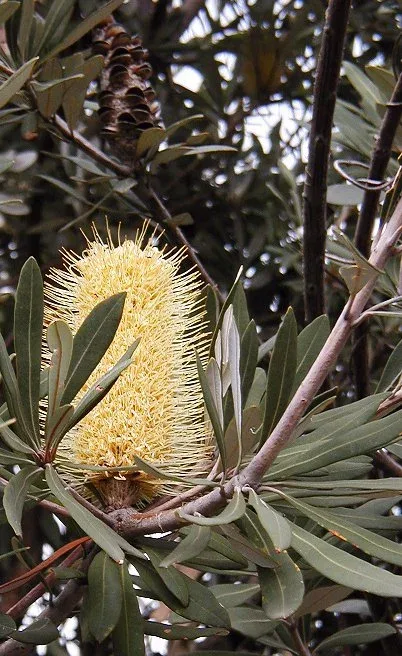
Featured photo by Bj.schoenmakers via Wikimedia Commons, CC0. Resized for display.
Seasonal rhythm
Seasonal Calendar
| Month | Care Tasks | Seasonal Focus |
|---|---|---|
| Jan | Routine check | Check exposed pots during hot dry weather. |
| Feb | Routine check | Water newly planted trees deeply if the root zone is dry. |
| Mar | Harvest | Look for ripening fruit where local conditions suit the cultivar. |
| Apr | Routine check | Clear runoff channels before winter rain. |
| May | Protect from frost/heat | Keep fallen fruit from accumulating near bushland. |
| Jun | Protect from frost/heat | Protect container roots where the garden has regular frost. |
| Jul | Routine check | Check that pots drain freely after prolonged rain. |
| Aug | Prune | Remove damaged branches before strong new growth. |
| Sep | Routine check | Check ties and tree stability before spring wind. |
| Oct | Routine check | Look for scale when inspecting fresh growth. |
| Nov | Routine check | Check mulch and leave clear space around the trunk. |
| Dec | Routine check | Water when the surface dries during summer. |
Diagnostics
Common Problems & Troubleshooting
Persistent leaf yellowing can follow poor drainage or low light. Check for scale on stems and beneath leaves. Leaf drop after a move can also follow a sharp change in temperature or sun.
Similar Botanical Matches
Keep exploring
Related plants

Grower field notes
Reader Field Notes in Australia
Share how this plant performs in your local Australia climate.