
| ☀️ Light | Full sun |
|---|---|
| 💧 Water | Low (allow soil to dry) |
| 🪴 Soil | Well-drained soil |
| 🐾 Safety | Cats: not verified · Dogs: not verified |
Where It Grows & Climate Tolerance
Pet & Companion Animal Toxicity (Pomegranate (Anar))
Not yet verified: Toxicity status for cats, dogs, and horses has not yet been confirmed against veterinary poison-control records. Keep out of reach of pets or consult your veterinarian.
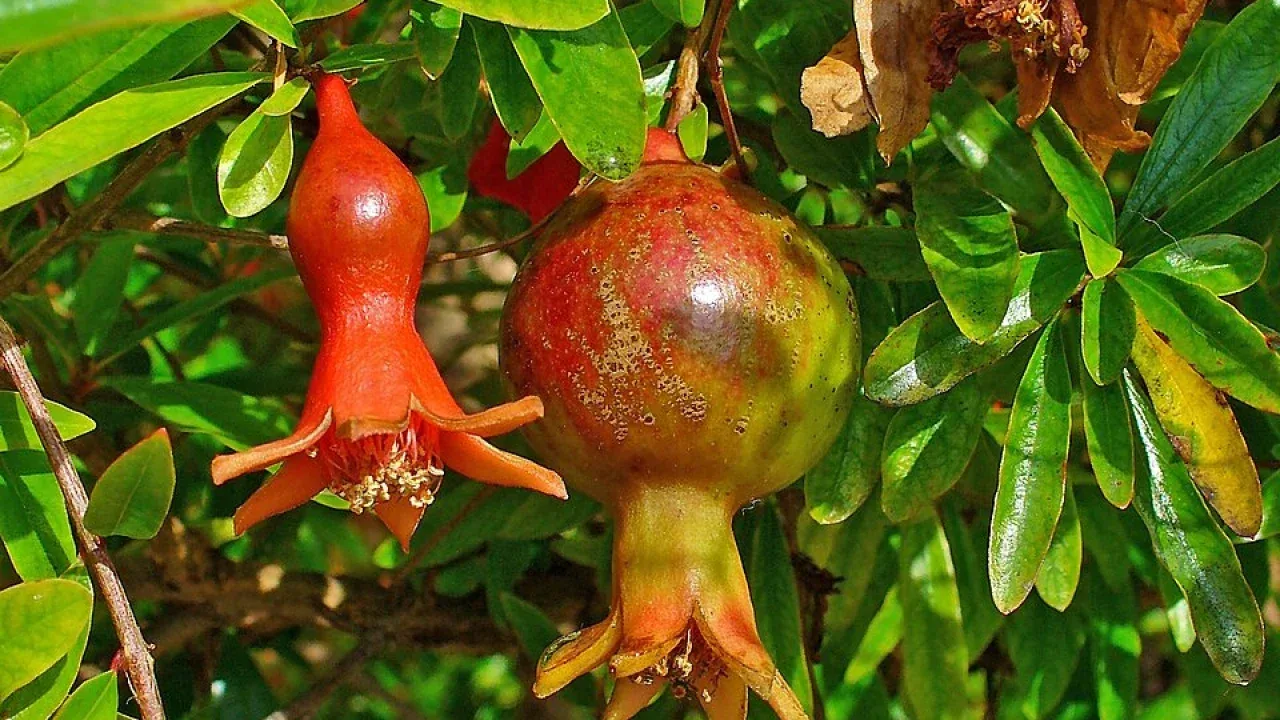
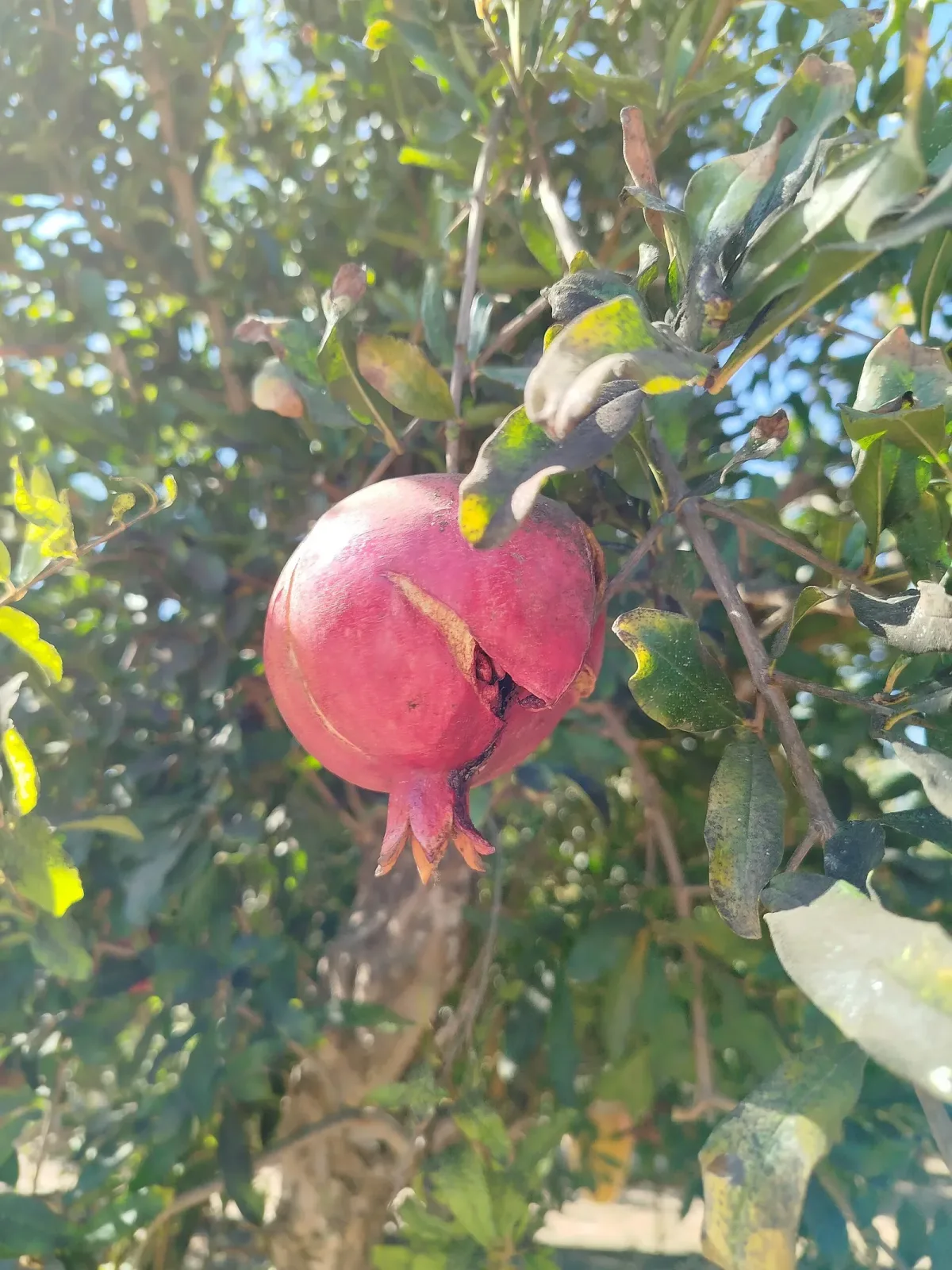
Deciduous shrub or small tree grown for edible red-seeded fruit.
Care instructions
Care Guide & Maintenance Routine
Light: full sun. Water: allow the medium to dry between waterings. Soil: Well-drained soil.
Light & Sunlight
Provide full sun.
Watering Schedule
Allow the medium to dry between waterings. Check drainage and local weather.
Potting Mix & Drainage
Well-drained soil
Temperature & Humidity
Protect from cold drafts and direct airflow from heating or cooling vents. A verified temperature range has not been recorded for this profile.
Deciduous shrub or small tree grown for edible red-seeded fruit. Botanical name: Punica granatum; family: Lythraceae.
Grow in full sun with well-drained soil. Allow the medium to dry between waterings. Adjust to local conditions and growth stage.
Reference: NC State Extension Plant Toolbox.
Seasonal rhythm
Seasonal Calendar
A month-by-month calendar for Pomegranate (Anar) in India is coming soon. See the light, water and temperature notes above.
Care encyclopedia · 1 guide
Guides & Articles for Pomegranate (Anar)
Q&A
Frequently Asked Questions
What light does Pomegranate (Anar) need?
Pomegranate (Anar) grows best in full sun.
Similar Botanical Matches
Keep exploring
Related plants
Grower field notes
Reader Field Notes in India
Share how this plant performs in your local India climate.