7 Critical Steps to Maximizing Your Settlement After a Commercial Truck Accident in 2026

Commercial truck accidents are fundamentally different from standard passenger vehicle collisions. Because semi-trucks are owned by large corporations and backed by multi-million dollar insurance policies, the stakes are exponentially higher. In 2026, navigating the legal landscape of truck accident claims requires a strategic approach to ensure you receive the maximum compensation you are entitled to.
1. The Multi-Layered Liability Factor
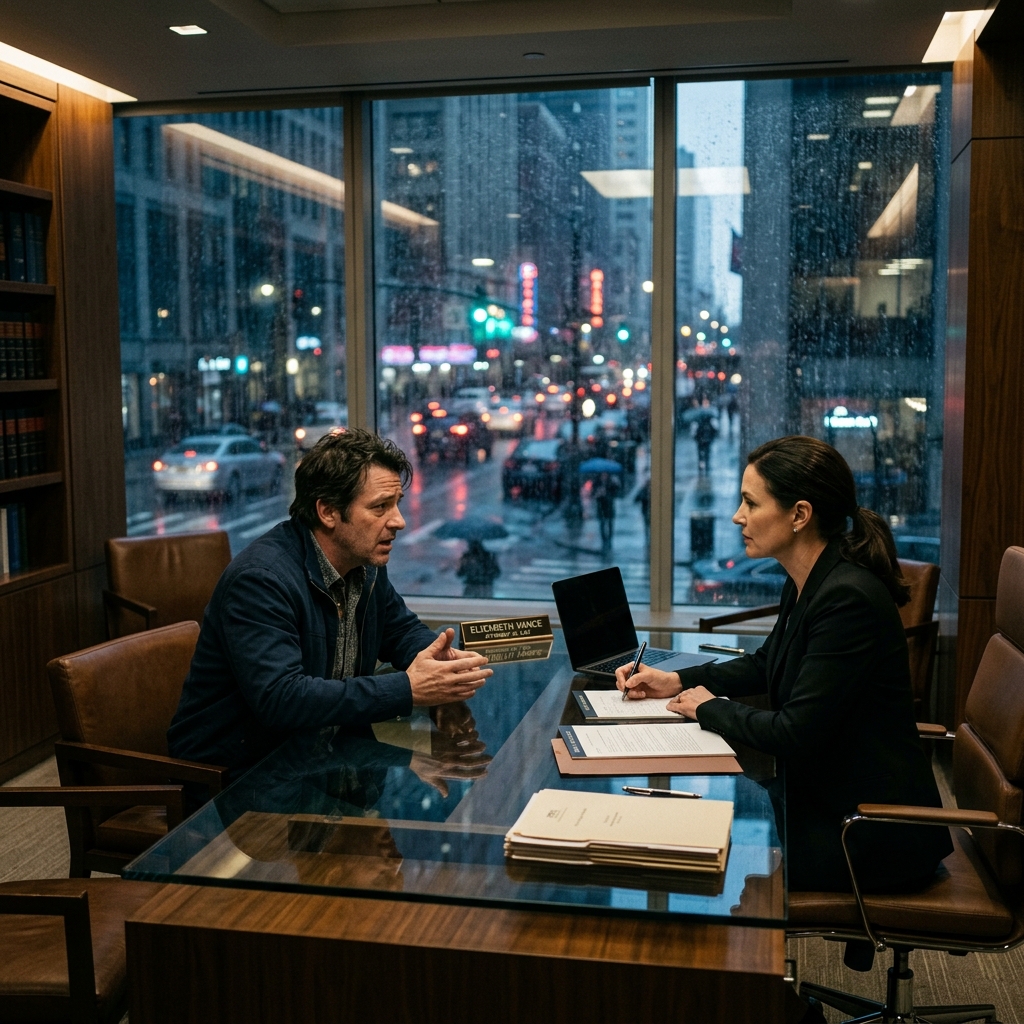
Unlike a typical car crash, a truck accident involves multiple potentially liable parties. This can include the truck driver, the trucking company, the vehicle manufacturer (if a part failed), and even third-party maintenance contractors. A specialized Truck Accident Attorney will conduct a deep investigation into the Black Box (Electronic Logging Device) data and the maintenance logs of the vehicle to build an airtight case of negligence.
2. Federal Motor Carrier Safety Administration (FMCSA) Regulations
The trucking industry is governed by the FMCSA, which sets strict rules regarding “Hours of Service.” These laws are designed to prevent driver fatigue. In 2026, attorneys use advanced digital forensic tools to cross-reference GPS data with driver logs to prove that a driver was forced or chose to drive past their legal limits. Violating these federal laws often leads to punitive damages, significantly increasing the settlement value.
3. Preservation of Evidence: Detailed Log Audits
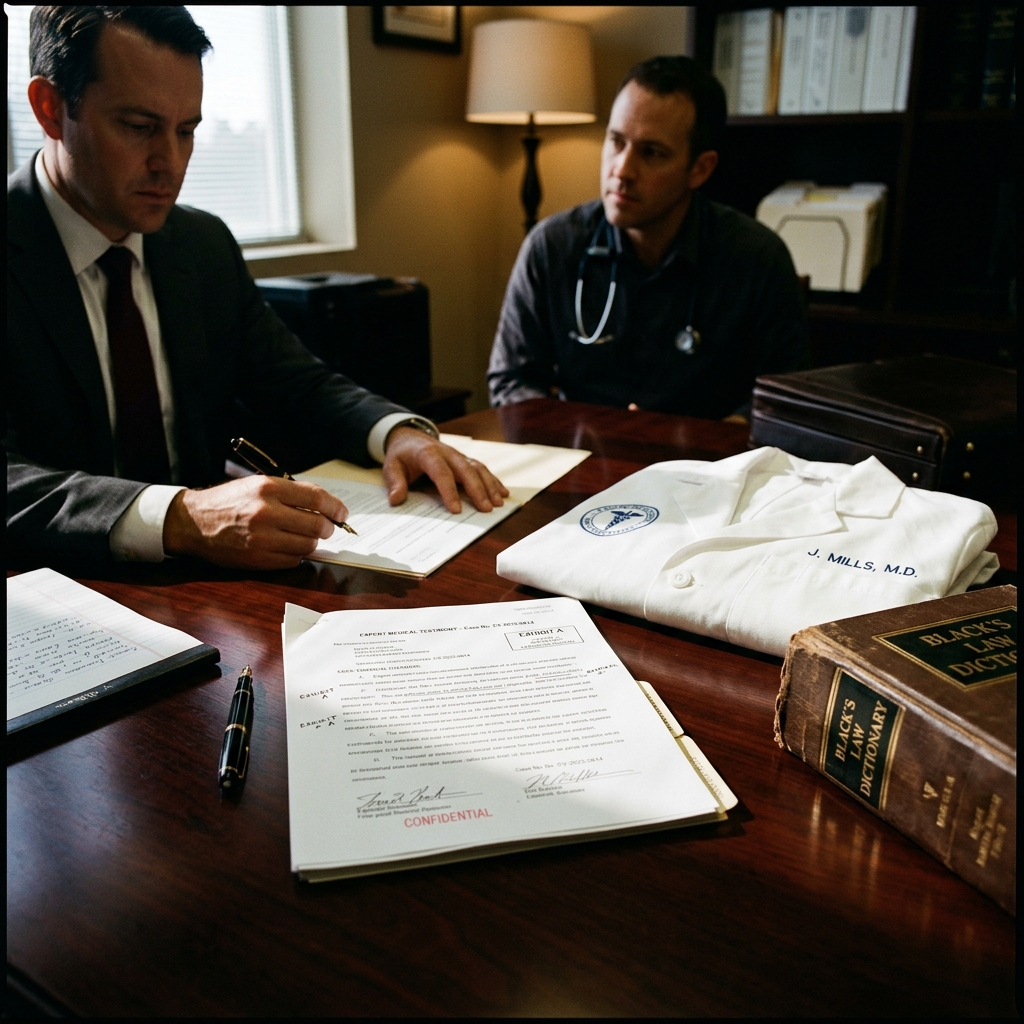
Evidence in trucking cases is delicate. In many cases, dashcam footage or ELD data can be overwritten in as little as 30 days. Your lawyer will issue an immediate **Preservation of Evidence** letter to the trucking conglomerate. This letter legally compels them to save every piece of data, from the weight of the cargo to the post-accident drug test results of the operator. Lack of such data preservation is often viewed by courts as an admission of guilt.
4. Understanding High Insurance Policy Limits
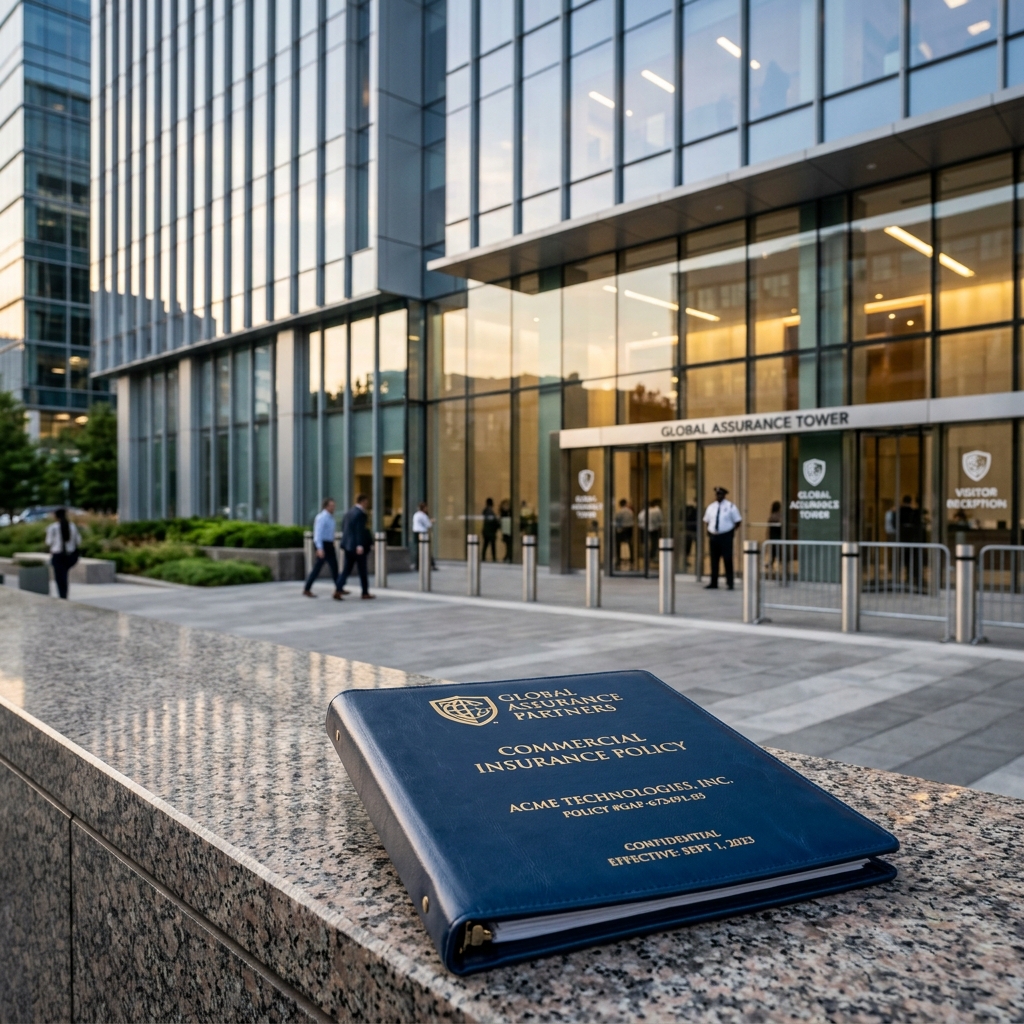
While standard car insurance policies often tap out at $100,000, commercial trucking firms carry liability insurance that starts at $750,000 and frequently reaches upwards of $5 million or $10 million per incident. Because so much money is at stake, the trucking insurance companies employ highly aggressive adjusters whose sole goal is to get you to sign a low-ball settlement offer before you hire a lawyer. Never sign anything without a legal review.
5. Calculating Non-Economic and Long-Term Damages
Truck accidents often result in catastrophic injuries such as spinal cord damage, traumatic brain injuries (TBI), or permanent disability. A 700-word guide like this only scratches the surface; the real work lies in calculating "Loss of Future Earning Capacity." If you can no longer work in your profession, the trucking company is liable for every year of salary you will lose until retirement age, adjusted for inflation.
6. Why a National Trial Firm is Preferred
Commercial trucking firms are multi-state operations. A lawyer with experience in federal courts and a track record of taking cases all the way to a jury verdict is often the only way to get a fair settlement. High-CPC advertisers in the US are searching for these specific cases because of the massive resources required and the equally massive potential returns for the victim.
7. The Statute of Limitations Warning
In most US states, the window for filing a commercial vehicle claim is between 1 and 3 years. This may seem like a long time, but internal investigations, accident reconstructions, and medical evaluations can take months. Filing late isn’t an option; once the window closes, your right to compensation is gone forever. Timely action is the difference between a multi-million dollar recovery and zero reimbursement.
Conclusion
Survival after a commercial truck accident is the first victory; securing your financial future is the second. In 2026, the complexity of trucking litigation means you cannot afford to go it alone. Contact a specialized firm, protect your evidence, and demand the full value of your claim.
Written by Sarah Garden Lead Expert
Sarah is a certified horticulturist with over 15 years of experience in urban gardening and organic vegetable cultivation. She loves sharing her green thumb secrets with beginners.